Has Iran moved closer to a nuclear bomb while inspectors are kept out?
Iran raises prospect of 90% uranium enrichment as UN inspectors remain locked out
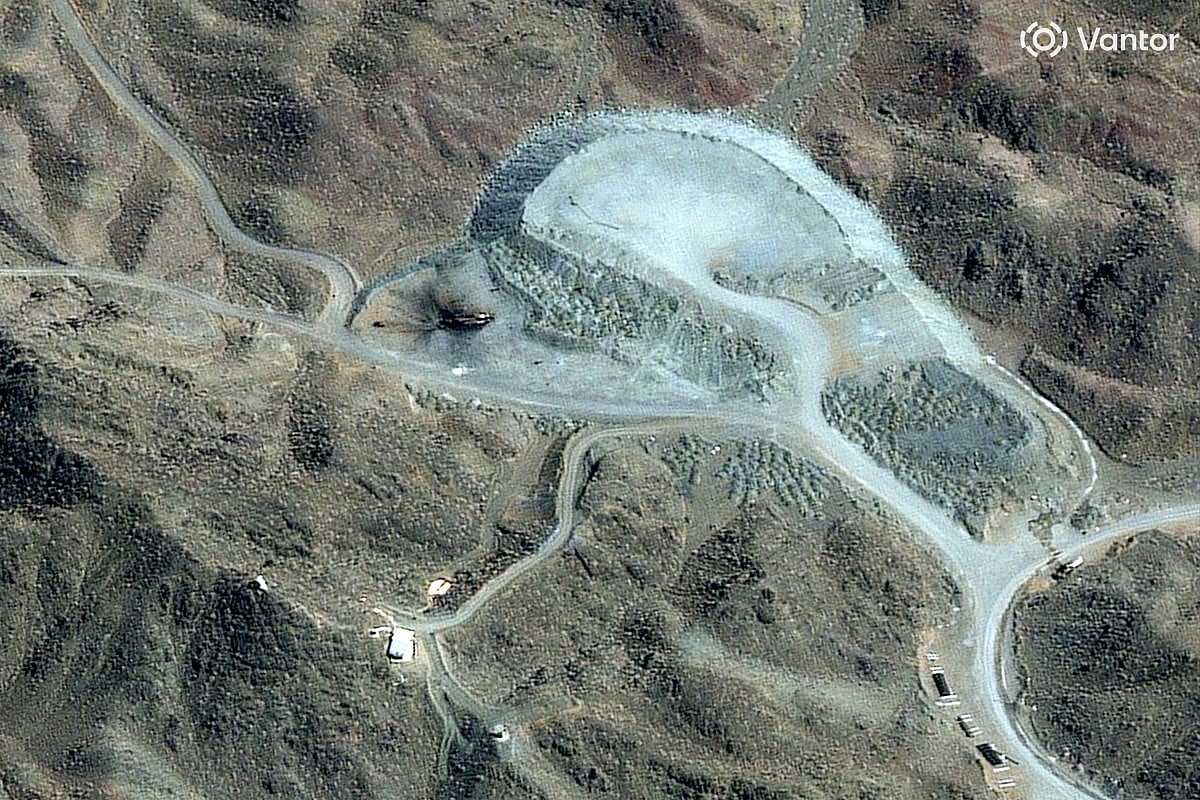
Dubai: Has Iran moved closer to building a nuclear bomb while international inspectors remain locked out of its key nuclear facilities?
The question has gained urgency after a senior former Iranian official raised the possibility of enriching uranium to weapons-grade levels, even as the UN nuclear watchdog warned it could no longer verify Tehran’s highly enriched uranium stockpile.
There is no verified evidence that Iran has used the inspection gap to advance towards building a bomb. But the International Atomic Energy Agency (IAEA) says it cannot establish the current status of crucial nuclear material, raising serious proliferation concerns.
The uncertainty deepened on Monday after Iran declared that UN inspectors would not be allowed into its bomb-damaged nuclear facilities until the Middle East war permanently ends and Tehran's conditions are met.
Deputy Foreign Minister Kazem Gharibabadi said the International Atomic Energy Agency would remain barred from inspecting the damaged sites. He also suggested that requests for access could be aimed at assessing the effectiveness of American weapons used against Iranian nuclear installations.
The IAEA has been unable to inspect the damaged facilities at Natanz, Fordow and Isfahan, leaving crucial questions about Iran's nuclear material unanswered.
Here are five key questions.
1. What has Iran said about making weapons-grade uranium?
Mohammad Javad Larijani, a former senior judiciary official and adviser to Iran’s supreme leader, said Sunday that Tehran could enrich uranium to 90% purity for nuclear propulsion systems.
“We still need it, and for propulsion systems we may even go up to 90%,” he said, rejecting demands that Iran surrender its existing 60%-enriched uranium.
Larijani insisted such technology would not necessarily mean developing an atomic bomb.
His remarks do not constitute an official decision to begin 90% enrichment.
2. How close is 90% uranium to a nuclear bomb?
Uranium enriched to around 90% is considered weapons-grade.
Most civilian nuclear power reactors use uranium enriched to approximately 3–5%, while Iran has already produced material enriched to 60%.
Moving from 60% to 90% requires substantially less additional enrichment work than reaching 60% from natural uranium.
However, weapons-grade uranium alone does not constitute a nuclear weapon. Building a functioning bomb requires further technical and engineering steps.
3. What happened to Iran’s uranium stockpile?
That remains the central mystery.
Before the June 2025 US-Israeli strikes, the IAEA estimated that Iran possessed 440.9kg of uranium enriched to 60%.
IAEA chief Rafael Grossi previously warned that this quantity could theoretically yield enough weapons-grade material for as many as 10 nuclear bombs if further enriched and weaponised.
But inspectors have been unable to verify the stockpile’s present location or condition since the attacks.
The agency is also increasingly concerned about the Isfahan Fuel Enrichment Plant, saying it does not know the facility’s exact location or whether it contains nuclear material.
4. Why is Iran blocking inspections?
Tehran argues that normal monitoring cannot resume while its nuclear facilities remain under threat of further US or Israeli attacks.
In correspondence cited by the IAEA, Iran accused Washington of threatening renewed military action.
Iranian lawmaker Esmail Kowsari said Sunday that inspectors would not be allowed into nuclear facilities until Tehran was satisfied with their conduct, questioning whether some might be working for foreign intelligence agencies.
The IAEA has urged Iran to permit a gradual return of inspectors, warning that the lack of verification must be addressed urgently.
Its inspectors have visited the Bushehr nuclear power plant, but remain unable to access other key facilities.
5. Has Iran actually moved closer to building a bomb?
There is no verified evidence that it has during the inspection gap.
The IAEA’s concern is that it cannot determine whether Iran’s highly enriched uranium remains where it was previously believed to be, whether further enrichment has occurred or whether nuclear material has been diverted.
Iran insists its nuclear programme is peaceful.
President Donald Trump has recently suggested further major strikes may be unnecessary, while warning that Washington remains prepared to act if it detects threatening nuclear activity.
For now, the danger lies in the uncertainty: Iran possesses advanced nuclear capabilities, its stockpile remains unverified, and inspectors cannot establish what is happening at key facilities.
The longer that uncertainty persists, the harder it becomes to distinguish a nuclear threat from a nuclear warning.

Sign up for the Daily Briefing
Get the latest news and updates straight to your inbox
Network Links
GN StoreDownload our app
© Al Nisr Publishing LLC 2026. All rights reserved.