Deal or delay: Israel-Lebanon ceasefire holds amid big questions
10-day pause tests path to Iran deal and regional stability
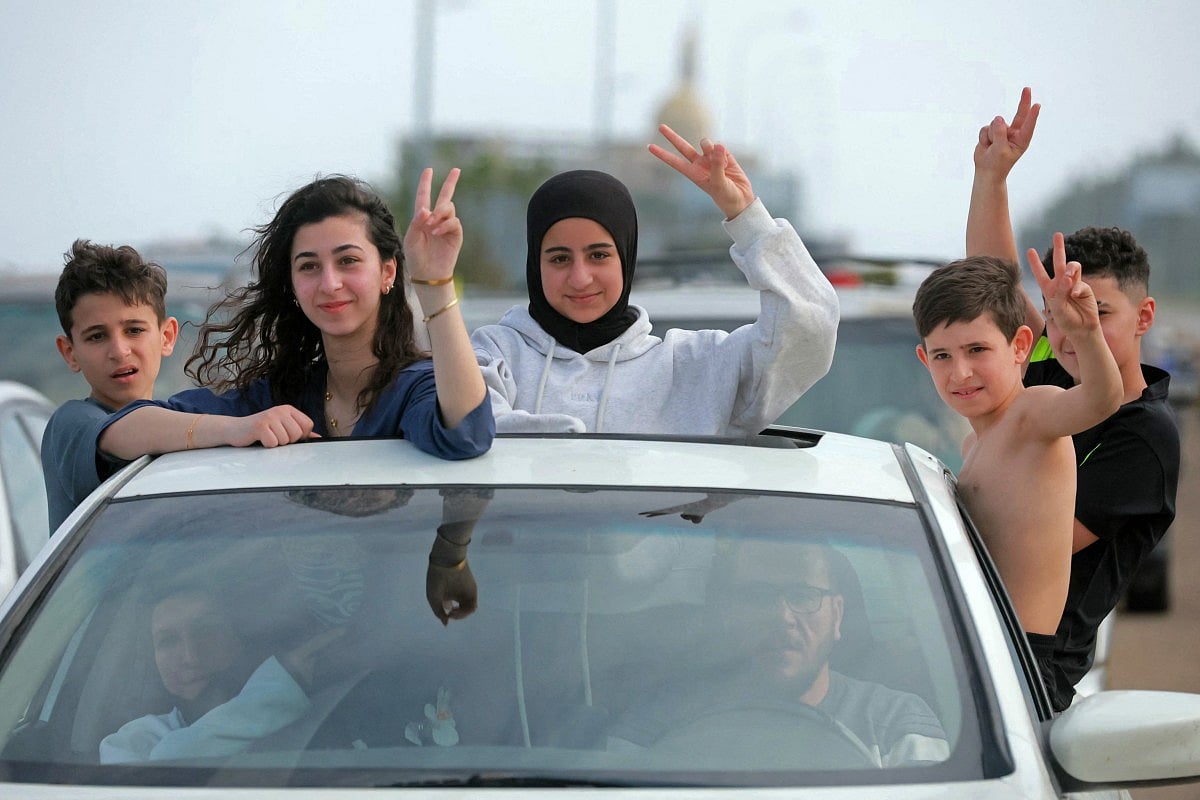
A fragile 10-day ceasefire between Israel and Lebanon appeared to be holding early Friday, raising cautious hopes of a broader de-escalation across the Middle East after weeks of intense fighting.
The truce, announced by US President Donald Trump and agreed by Israel and Lebanon, took effect overnight, with no immediate large-scale violations reported despite warnings from Lebanese authorities of sporadic incidents.
The pause in hostilities — following nearly seven weeks of conflict involving Israel and Iran-backed Hezbollah — is being closely watched as a potential stepping stone toward a wider agreement involving Iran and the United States.
Displaced civilians began returning to parts of southern Lebanon at first light, even as officials urged caution amid uncertainty over the situation on the ground.
Who are the key players?
Israel
Targeting Hezbollah positions in Lebanon; insists on security guarantees and retains right to act in self-defence.
Lebanon
State authority navigating internal pressure; tasked with enforcing sovereignty and restraining armed groups.
Hezbollah
Iran-backed militant group operating in Lebanon; central to the conflict with Israel and key to any lasting truce.
United States
Broker of the ceasefire; pushing for wider deal involving Iran and regional security arrangements.
Iran
Backer of Hezbollah; linking Lebanon ceasefire to broader negotiations with Washington.
International mediators
Including Pakistan and European powers; working to extend the ceasefire and reopen critical routes like the Strait of Hormuz.
What did Trump say?
Trump described the ceasefire as a potential turning point, calling it “a historic day for Lebanon” in social media posts.
He said both Israeli Prime Minister Benjamin Netanyahu and Lebanese President Joseph Aoun had agreed to the truce “in order to achieve peace between their countries,” and indicated that talks toward a longer-term settlement were already in motion.
The US president also said he hoped Hezbollah would “act nicely and well,” adding that the ceasefire could mark a “great moment” if it holds.
Officials said Trump could even travel to Pakistan — which is mediating — if a broader agreement with Iran is finalised.
Why this ceasefire matters
While the fighting has been centred in Lebanon, the conflict is part of a much wider regional crisis involving Iran, Israel and US forces.
Iran had made an end to Israel’s war with Hezbollah a key condition in its negotiations with Washington, linking the Lebanon front to talks over its nuclear programme and regional security issues.
The ceasefire is therefore seen as a critical test of whether diplomacy can gain traction after weeks of escalating violence that has killed thousands across multiple countries.
At the same time, global pressure is mounting to reopen the Strait of Hormuz — a key oil transit route — with European leaders set to meet to discuss next steps amid fears of a deepening energy crisis.
What are the key terms of the ceasefire?
A US-backed memorandum outlines a six-point framework governing the truce and the path toward a longer-term deal.
Ceasefire begins as a “gesture of goodwill” to enable negotiations
Israel retains the right to act in self-defence against imminent threats
Israel will halt offensive military operations inside Lebanon
Lebanon must prevent Hezbollah and other armed groups from launching attacks
Lebanese national forces are recognised as solely responsible for sovereignty
The US will facilitate direct negotiations toward a permanent agreement
The agreement also allows for the ceasefire to be extended if progress is made in negotiations and Lebanon demonstrates control over its territory.
What are the risks?
Despite the ceasefire holding for now, major points of tension remain unresolved.
Israel has said it will not withdraw its troops during the truce and intends to maintain a security zone along the border.
Hezbollah, meanwhile, has signalled it will “cautiously adhere” to the ceasefire only if Israel halts its attacks.
Lebanese authorities have also warned of violations, and gunfire was reported in parts of Beirut shortly after the truce took effect.
What happens next?
Diplomatic efforts are now focused on extending the ceasefire and linking it to broader negotiations involving Iran, including disputes over its nuclear programme and the reopening of key shipping routes.
Mediators are working to bridge gaps on three major issues: nuclear constraints, maritime security — particularly the Strait of Hormuz — and compensation for wartime damage.
A potential meeting between Israeli and Lebanese leaders, suggested by Trump, could mark a significant shift — but remains uncertain.
For now, the ceasefire is holding. Whether it becomes the foundation for a lasting peace — or merely a brief pause — will depend on what happens over the next 10 days.
With inputs from AP, AFP and CNN
Sign up for the Daily Briefing
Get the latest news and updates straight to your inbox
Network Links
GN StoreDownload our app
© Al Nisr Publishing LLC 2026. All rights reserved.