Yemen retakes key Red Sea areas: What it means for Gulf oil
Government gains could ease shipping risks, but Houthi missile and drone threat remains
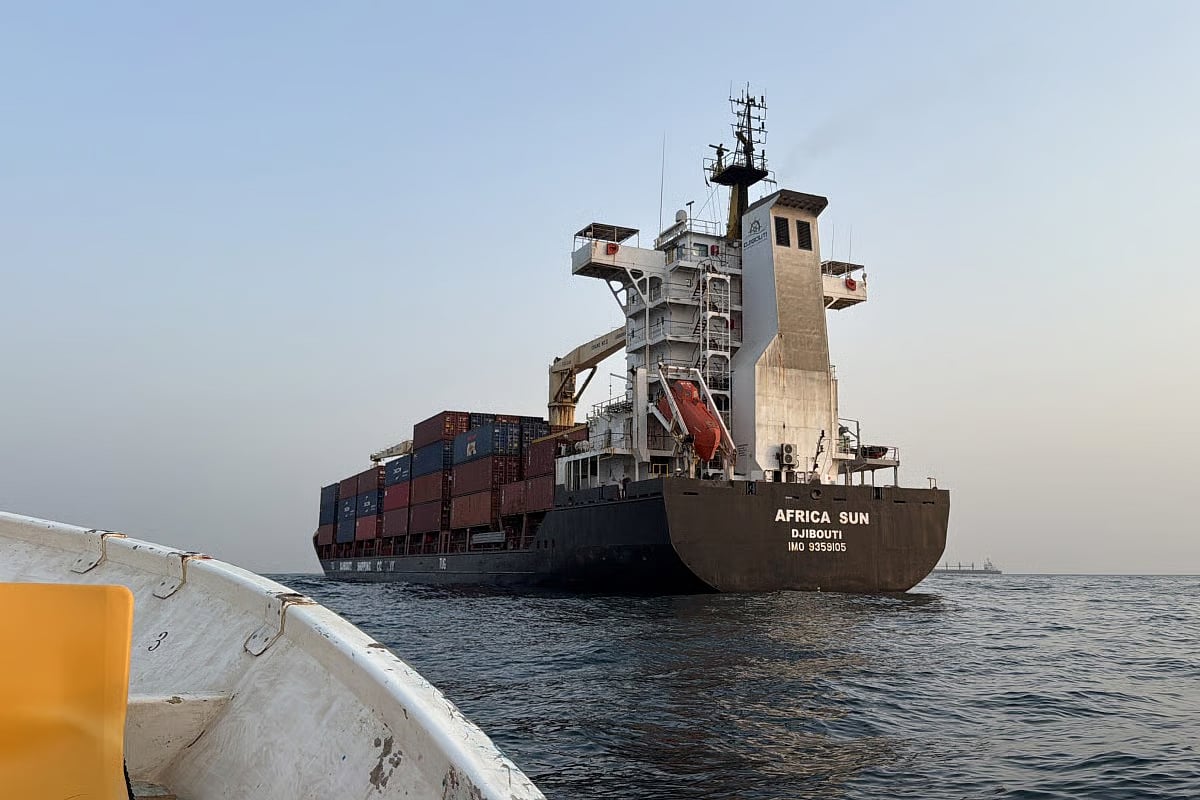
DUBAI: Yemeni government forces say they have seized control of the strategic Bab Al Mandab strait and the Red Sea port city of Mocha from the Houthis, potentially changing the security equation around one of the world’s most important shipping routes.
The claimed gains came during a major Saudi-backed counter-offensive, dubbed “Dawn of Yemen”, as fighting intensified along Yemen’s western coast.
But does taking territory around Bab Al Mandab mean the Red Sea is secure — and what could it mean for Gulf oil, shipping and consumers?
Why is Bab Al Mandab so important?
Bab Al Mandab is the narrow strait separating Yemen from Djibouti and Eritrea and connecting the Red Sea with the Gulf of Aden and Arabian Sea.
Around 12 per cent of global trade passes through the waterway, making it a critical link in the route connecting Asia and the Gulf with Europe through the Red Sea and Suez Canal.
For Gulf exporters, it is particularly important for cargo and energy shipments heading towards Europe.
What has changed?
Yemeni government forces say the Giants Brigades and Nation’s Shield Forces have taken control of the Bab Al Mandab area as part of Operation Dawn of Yemen.
Government forces also claim to have captured Mocha, Dhu Bab airport and the road connecting Dhu Bab with Mokha.
The advances, if sustained, would weaken the Houthis’ physical control over the southern entrance to the Red Sea.
However, the Houthis dispute the government claims and say they continue to hold their recent territorial gains. The full extent of the battlefield changes has not been independently verified.
Does this mean the Red Sea is safe again?
Not yet.
Controlling territory around the strait is very different from eliminating the threat to ships.
The Houthis have demonstrated their ability to use ballistic and cruise missiles and drones over long distances. Even as government forces reported advances in Yemen, the Houthis claimed strikes against airports, oil infrastructure and military sites inside Saudi Arabia.
Saudi authorities said attacks on Jazan and Najran airports on Monday caused three minor injuries.
The coalition also said on Tuesday that it destroyed a mountain missile depot in Saada containing 20 ballistic missiles and a ballistic missile launcher in Sana’a.
That continuing campaign illustrates why shipping security will depend not only on who controls the coastline but also on whether Houthi missile, drone and maritime capabilities can be significantly degraded.
What does it mean for Gulf oil and shipping?
For Gulf economies, the significance extends beyond Yemen.
Bab Al Mandab is one of the region’s critical energy and trade chokepoints. Any sustained reduction in the threat to vessels there could eventually make Red Sea shipping less risky and improve access to the Suez route.
That becomes particularly important as Gulf producers have adapted to disruptions in the Strait of Hormuz, with oil exports recently reaching and at times exceeding pre-war levels through a combination of Hormuz transits and alternative routes.
Greater security around Bab Al Mandab could strengthen that alternative export network, particularly for Saudi crude shipped through Red Sea terminals.
But the economic benefits will not be immediate. Shipping companies and insurers will want evidence that government forces can hold their gains and that the missile and drone threat to vessels has diminished before treating the route as significantly safer.
What happens next?
Mocha could be crucial.
Government forces reached the outskirts of the port during their counter-offensive before Yemen’s Defence Ministry announced its capture.
Former UN Security Council adviser on Yemen Fernando Carvajal said holding the city would be a “vital sign” of whether government forces can consolidate their advance and use Mokha as a staging point for operations elsewhere.
For global shipping, therefore, the key question is no longer simply who controls Bab Al Mandab on a map.
It is whether the government can hold the territory — and whether that translates into safer passage through the Red Sea.

Sign up for the Daily Briefing
Get the latest news and updates straight to your inbox
Network Links
GN StoreDownload our app
© Al Nisr Publishing LLC 2026. All rights reserved.