Ramadan 2025: Official approval mandatory for non-Saudi Itikaf performers
Final decision will be subject to further evaluation and negotiation: Minister of Labour
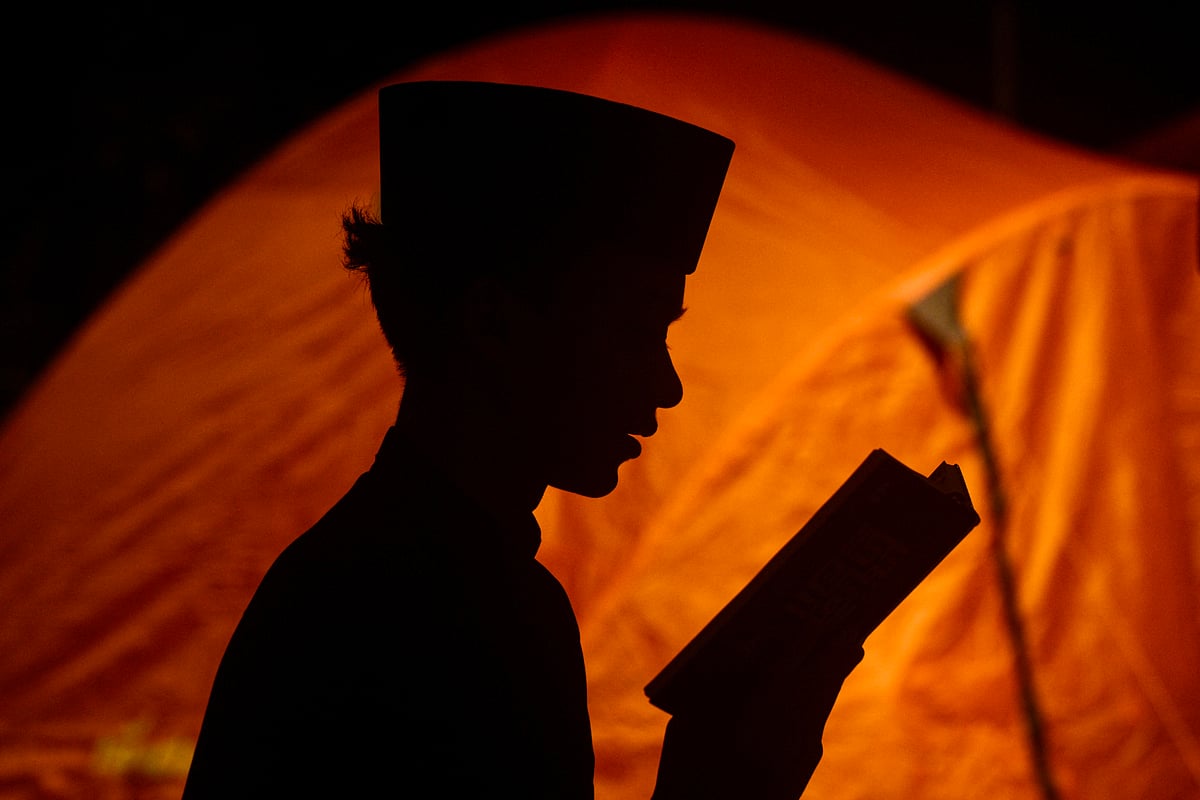
Cairo: Muslim foreigners in Saudi Arabia, who wish to perform the spiritual rite of Itikaf or retreat inside the kingdom's mosques, must obtain official permission, according to a TV report.
Itikaf in mosques is prohibited without approval of the relevant state authorities, said Saudi TV Al Ekhbariya.
Personal data of the Itikaf performers are also vetted on security grounds.
The stipulation is part of strict rules set by the Saudi Ministry of Islamic Affairs for performing the Islamic ritual.
Itikaf means a Muslim stays in a mosque for the sole purpose of worshipping and coming closer to Allah, following the example of the Prophet Mohammed (PBUH).
The ritual is usually performed in the final 10 days of the lunar month of Ramadan, which is expected this year to end on Saturday.
As part of intensified efforts during the month of Ramadan, female inspectors from the Saudi Ministry of Islamic Affairs tour prayer halls designated for women to ensure the places are well-equipped for them to worship amid tranquility.
Some violations have been spotted, according to an official.
"We have detected banned books, and unlicensed sessions and lectures given by some women, who are not qualified to give these sessions,"Hesa Al Enazi, a female monitor at the ministry, said.
"To protect minds, official permits are issued to hold sessions for the memorization of the Holy Quran and sermons given by well-qualified scholars," she told Al Ekhbariya.
The ministry has banned donation collection in mosques and the use of cameras to film the imam and worshippers during prayers in Ramadan, marked by devout worshipping.
The ministry has also prohibited the transmission or broadcasting of prayers via media platforms.
Sign up for the Daily Briefing
Get the latest news and updates straight to your inbox
Network Links
GN StoreDownload our app
© Al Nisr Publishing LLC 2026. All rights reserved.