What you need to know about Oman's Muscat Metro project, backed by France
Planned 55-km network to link Sultan Haitham City with Ruwi through 42 stations
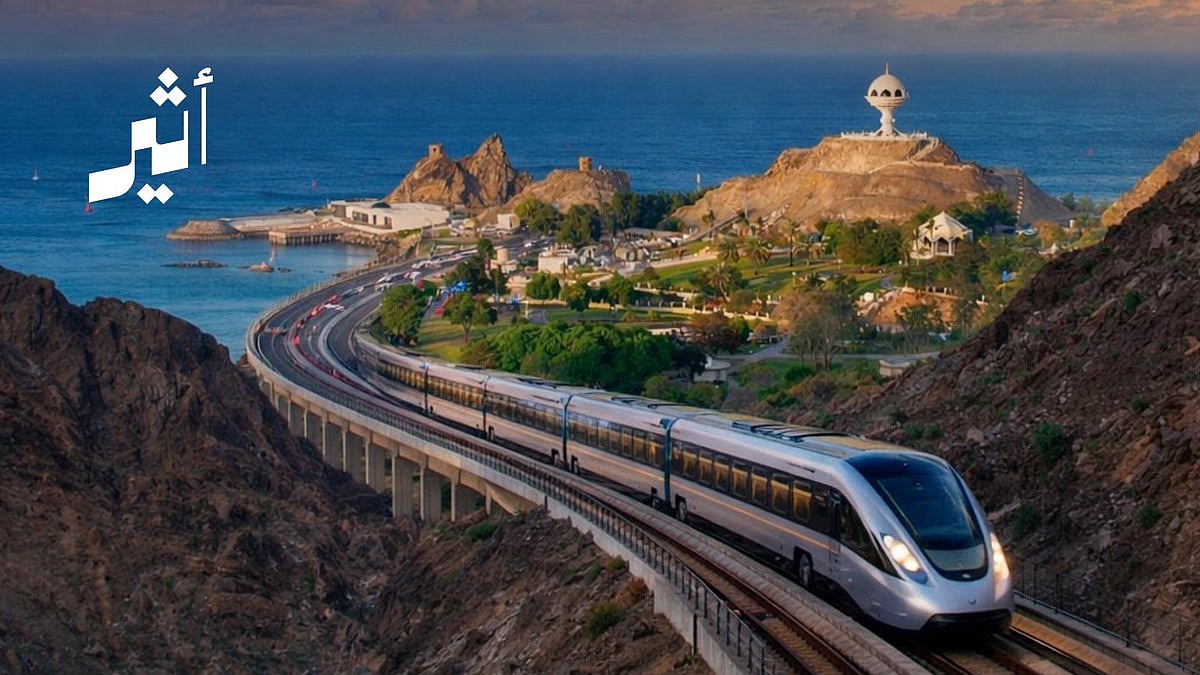
Dubai: Oman and France on Monday signed a memorandum of understanding to cooperate on the development of the proposed Muscat Metro, marking a significant step forward for one of the Sultanate's largest public transport projects as it seeks to modernise urban mobility under Oman Vision 2040.
The agreement, covering logistics, ports and the Muscat Metro, was signed between Oman's Ministry of Transport, Communications and Information Technology and France's Ministry of Transport. It formed part of a package of 12 agreements, memoranda of understanding and declarations of intent witnessed by Sultan Haitham bin Tarik and French President Emmanuel Macron in Paris.
Get updated faster and for FREE: Download the Gulf News app now - simply click here.
The Muscat Metro is designed to create a modern mass transit network aimed at easing traffic congestion, promoting sustainable transport and improving connectivity between the capital's major residential, commercial and business districts.
According to the ministry, the first metro line will run approximately 55 kilometres from Sultan Haitham City to Ruwi, passing through Muscat International Airport, Ghala and Al Khuwair. The route will include around 42 stations, seven of which will serve as major interchanges.
Oman began preliminary studies for the project in 2023 by appointing international consultants to prepare feasibility studies. Earlier this year, the transport minister said further details would be announced once preparatory work had been completed.
The agreement with France is expected to strengthen cooperation in urban transport, logistics and infrastructure development, while enabling Oman to benefit from French expertise in the design, construction and operation of metro systems. It also supports the Sultanate's broader efforts to diversify its economy and develop world-class infrastructure under its long-term national development strategy.
Network Links
GN StoreDownload our app
© Al Nisr Publishing LLC 2026. All rights reserved.