UK'S King Charles III breaks precedent to reveal £30 million paid in taxes since 2022
Prince William also reveals he paid more than £20m in personal taxes
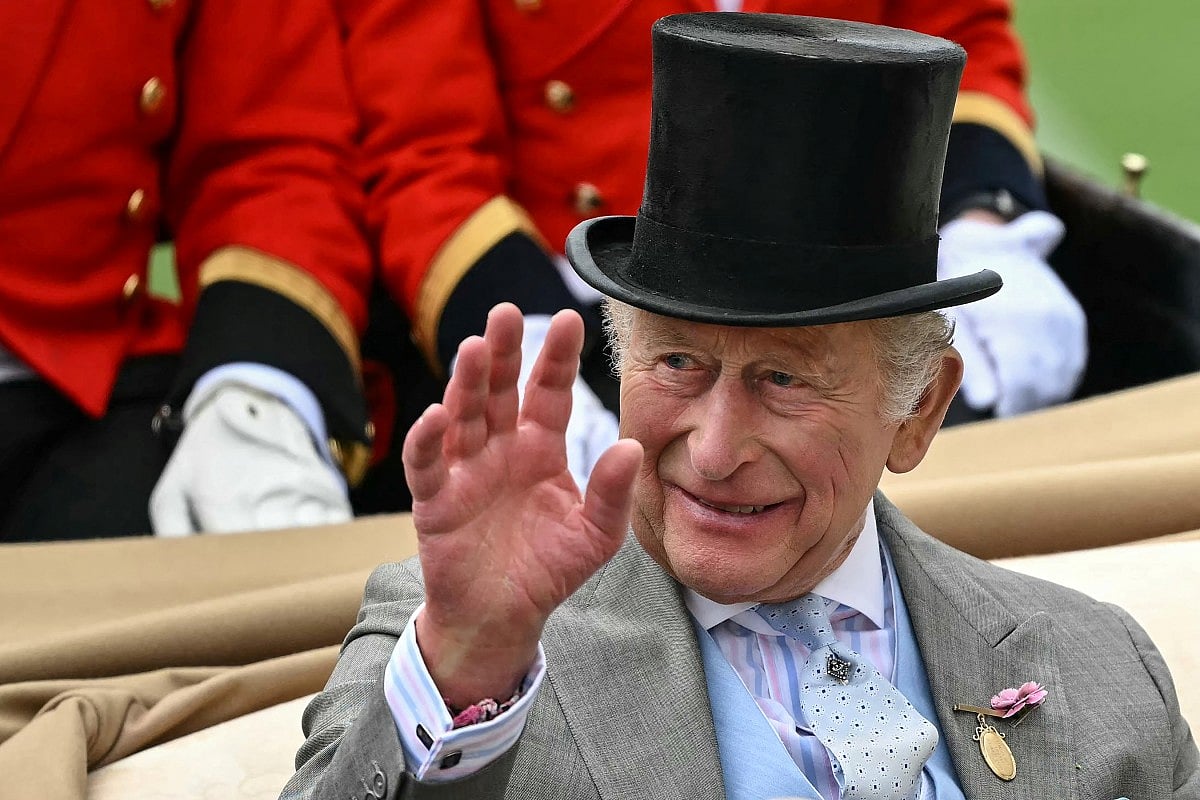
London: King Charles III has paid more than GBP30 million ($39.6 million) in personal taxes since becoming monarch in September 2022, Buckingham Palace announced Thursday, in the first such disclosure by a reigning British sovereign.
The palace, which had confirmed at the weekend that it would make the unprecedented release, said it was part of its "commitment to transparency" as royal finances come under increasing public scrutiny.
Charles's eldest son and heir Prince William also for the first time revealed his personal tax information, having paid more than GBP20 million in taxes since inheriting the title of Prince of Wales when his father became king.
Get updated faster and for FREE: Download the Gulf News app now - simply click here.
UK monarchs are legally exempt from paying certain taxes, though they have paid some duties voluntarily for decades, and they also have no obligation to disclose their private tax bills.
"The amount of tax payable by His Majesty since Accession is more than GBP30 million," the palace said within a wider press release updating various aspects of royal finances.
It noted in the two full tax years since he acceded to the throne on September 10, 2022, his personal bill was GBP24.6 million.
That comprised GBP11.7 million in 2023-24 and GBP12.9 million in 2024-25. Tax years in Britain run from early April.
It did not give the figure for 2022 to 2023.
William, 44, paid more than GBP20 million in income and capital gains taxes since inheriting the title when Charles became king.
He stumped up GBP8.34 million in 2023-24 and GBP7.76 million in the 2024-25 tax year.
Growing scrutiny
Charles began releasing his personal tax information as heir to the throne.
But he has broken with custom by continuing that as king - his mother and predecessor Queen Elizabeth II never did during her record-breaking seven-decade reign.
British monarchs get money from various sources.
They include the publicly-funded Sovereign Grant as well as private Duchy of Lancaster income worth tens of millions of pounds more which also helps fund personal expenses and some official duties.
The sovereign's other private sources of income include their Balmoral and Sandringham estates as well as art, jewellery and stamp collections, investments and private savings.
Under UK law, monarchs do not have to pay income, capital gains or inheritance taxes.
However, since 1993 they have voluntarily paid the first two, following public pressure and scrutiny of the royals' opaque finances after a Windsor Castle fire required expensive repairs.
That scrutiny has renewed amid recent scandals surrounding the disgraced former prince Andrew Mountbatten-Windsor, and revelations he had been paying only a token "peppercorn" rent on a Windsor estate mansion.
Thursday's raft of disclosures showed the Sovereign Grant, the core funding of the monarchy, will be set at GBP99.9 million a year in 2027-28.
The annual government payment to cover the costs of official royal duties and palaces had been increased by over half in 2025-2026 to GBP132.1 million to cover renovation costs for Buckingham Palace and other royal buildings.
Palace project
The grant will rise again for 2026-27 to GBP137.9 million, to "deliver funding for the final year" of the major, GBP370-million Buckingham Palace refurbishment project, the palace said.
It noted Charles and his wife Queen Camilla "will not make Buckingham Palace a personal residence" once the major 10-year modernisation project there is completed.
The decision was "reflecting Their Majesties' wishes that the Palace remains the ceremonial centre of Royal life, the primary workplace of the Royal Household and a national heritage asset with increased opportunities for public access".
Nearby Clarence House will remain the royal couple's London home, it added.
The grant funding boost will also pay for a backlog in maintenance at occupied royal palaces, energy efficient heating systems and strengthening cyber security, among other things, according to the palace.
Meanwhile, the Crown Estate - an independent, commercial business which oversees the royals' land and property holdings, but hands the proceeds to the government - announced its profits had slumped over the past year.
They determine the size of the grant, which is currently set at 12 percent of its proceeds from two years earlier.
In the year to March, operating profits at the Estate - which owns huge swathes of land as well as the seabed and much of the coastline around Britain - fell to GBP1.2 billion.
That compared with GBP1.4 billion the previous year, with the drop primarily linked to reduced offshore wind fees as projects entered a new construction phase.
Sign up for the Daily Briefing
Get the latest news and updates straight to your inbox
Network Links
GN StoreDownload our app
© Al Nisr Publishing LLC 2026. All rights reserved.