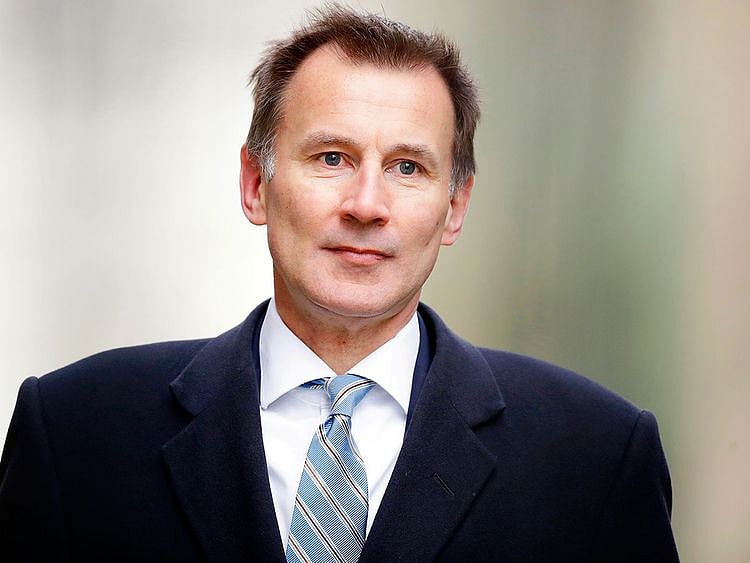
Chancellor of the Exchequer Jeremy Hunt is considering raising more money from inheritance tax as he seeks to fill a Pound35 billion ($40 billion) fiscal black hole when he announces the UK government's spending plans on Nov. 17.
Hunt is looking at freezing the threshold at which inheritance tax starts to be paid - the so-called "nil rate band" - according to a person familiar with internal government discussions.
The nil rate has been set at Pound325,000 since 2009 and it was due to be kept at that level until 2025-6.
Hunt is said to be looking at extending the freeze until 2027-28, a move that could raise at least Pound500 million. The story was first reported by the Financial Times.
High inflation means freezes in tax free thresholds effectively act as real-terms tax rises.
The Treasury has already frozen thresholds for income tax and capital gains tax until 2025-26. These freezes, which are raking in billions more than they would have if inflation hadn't soared, could also be extended, the person familiar said.
A decision on whether to hit banks with a higher effective tax rate has yet to be taken, the person added. Hunt has considered reducing the so-called bank surcharge from 8% to 3%.
With corporation tax rising to 25% next April, that would leave banks with an effective tax rate of 28%, higher than the 27% they pay now. If the surcharge stayed at 8%, banks would pay an effective 33% tax rate.
Sign up for the Daily Briefing
Get the latest news and updates straight to your inbox
Network Links
GN StoreDownload our app
© Al Nisr Publishing LLC 2026. All rights reserved.