Strikes in Portugal, Italy, Spain, France: How impacts ripple beyond borders
With strikes or walkouts travellers advised to check official sources for disruptions
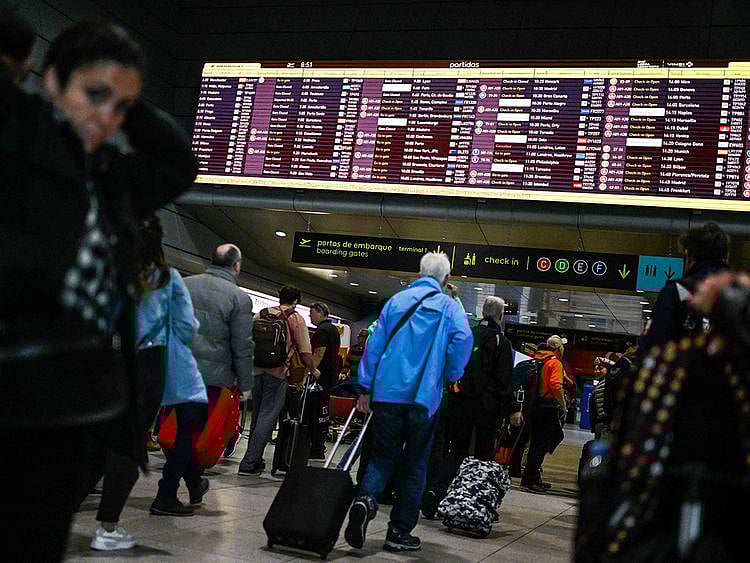
A wave of airline strikes in 2025, including this December, is throwing travel across Europe and the UK into turmoil just as the holiday rush begins.
With many people flying home to see family or heading out on winter trips, travellers are being warned to expect major delays and disruptions.
The strikes affect multiple transport sectors, but flights are facing the biggest impact.
Worst hit are air traffic control, baggage handling, and general labour actions, disrupted international airlines through cancellations, delays, and rerouting.
Ripple effects
Significant ripple effects are felt beyond Europe. Global flight schedules were disrupted, affecting connections in the Americas, Asia, and Africa.
Airlines faced cascading delays, cargo backlogs grew, and tourism-dependent economies saw reduced visitor flows.
International businesses experienced supply-chain slowdowns, highlighting how European labour unrest can quickly impact worldwide travel and trade networks.
This makes it essential for passengers to check schedules frequently and prepare for possible cancellations.
Here’s what you need to know:
Portugal
Portugal's December general strike, which kicked off December 11, 2025 grounded flights at Lisbon and Porto, involving cabin crews from multiple airlines amid labor reform protests.
This disruption comes as Portugal faces its first general strike in more than ten years, signaling a significant shift in the country’s labor landscape.
The strike, organized by Portugal’s two largest union confederations, CGTP and UGT, is aimed at opposing proposed labor reforms that unions argue will erode workers’ rights and job security. The industrial action is expected to paralyze much of Portugal’s public sector, with widespread participation from key sectors such as education, healthcare, municipal services, and transport.
Airlines have been forced to adjust their schedules due to the strike. Affected carriers include:
TAP Air Portugal,
Ryanair,
easyJet
Azores Airlines
Etihad
Emirates
The nationwide strike in Portugal is causing major disruption for travelers, with thousands of cabin crew, transport workers, teachers, and public-sector employees walking off the job.
The civil aviation union SNPVAC, representing more than 5,000 cabin crew members, has joined the action, triggering widespread flight cancellations and delays at Lisbon and Porto airports.
Passengers flying to or from Portugal are being urged to monitor flight updates closely and prepare for long waits, as airlines struggle with limited staff and cascading operational delays.
At Lisbon Portela Airport, the hardest-hit hub, disruptions involve not only airline crew but also baggage handlers, air traffic controllers, and ground staff, leading to crowded terminals, slow check-ins, and delayed boarding.
In Lisbon, metro, bus, and tram services are running on limited schedules, complicating movement for both residents and visitors.
Authorities advise arriving at airports earlier than usual and allowing extra travel time, as the strike continues to affect major transport routes across the country.
Spain
Spain’s baggage handlers, particularly at Azul Handling (Ryanair's partner), have been holding ongoing strikes at 12 airports hit Ryanair operations on peak days through December through late 2025 on Wednesdays, Fridays, Saturdays, & Sundays.
This also causes potential delays at major airports like Madrid, Barcelona, Malaga, and Palma for airlines including Ryanair, impacting peak travel.
Strikes focus on pay, job security, and working conditions, with workers demanding fair practices from Azul Handling, though Spain's minimum service laws aim to limit total shutdowns.
Passengers are advised to check flight status, arrive early, and understand EU261 rights for potential compensation, as disruptions, especially for Ryanair flights.
Italy
Italy is also experiencing significant strike activity in December 2025, notably a major general strike on December 12 by the CGIL union affecting public/private sectors, especially trains (Trenord, Trenitalia) with guaranteed service hours (6-9 AM, 6-9 PM).
These protests, against government budget cuts and for better public services, follow similar actions in late November, impacting travel.
More walkouts (e.g., ITA Airways on December 17, 2025) are expected, so travellers should check official sources for disruptions.
France
France experienced multiple waves of strikes throughout 2025, driven by disputes over pensions, budget cuts, and public-sector conditions.
Early-year port strikes began between January and March, followed by major rail disruptions in June, including an SNCF strike window that ran through the summer.
Air traffic controllers walked out on July 3–4, causing widespread flight delays across Europe.
The protest movement “Bloquons tout” triggered national blockades on September 10, followed by a general strike on September 18.
Further nationwide action took place on October 2, with additional air traffic control strikes from October 7–9.
Cultural institutions also joined in, including a Louvre Museum strike starting December 15. Overall, 2025 saw continuous, broad-sector unrest affecting transport, tourism, and public services.
In the July strike, France's air traffic controllers delayed 3,713 flights daily and cancelled 1,422, hitting 1 million passengers over two days, with spillover to Spain, UK, and Italy.
Economic effects were significant:
• Transport disruption hit airlines and rail services, leading to flight cancellations, delays, and widespread travel chaos.
• Tourism and business activity slowed as museum closures and limited services reduced visitor spending.
• Airlines and related sectors absorbed financial losses, with French carriers reporting profit hits tied to strike days.
The unrest highlighted tensions over economic policy in France and underscored how prolonged industrial action can dampen growth, disrupt markets and strain public services.
Country impacts
| Country | Aviation Effects | Economic Effects |
|---|---|---|
| France | 10.7% flights delayed, 4.7% canceled; 24-min average delay increase; 60,000+ tons excess CO2 | €47M delay costs + €73M cancellations over 2 days; aviation supports $144.7 B GDP including $24B tourism |
| Portugal | Widespread cancellations at Lisbon/Porto; Emirates/Etihad flights axed; minimum services only | Revenue losses for TAP; stranded passengers hit tourism-dependent economy |
| Spain | Baggage delays at 12 airports (Madrid, Barcelona, etc.) on Wed/Fri/Sat/Sun; Ryanair schedules at risk | Operational losses for low-cost carriers; tourism disruptions in high season |
| Italy | 4-hour ground/crew strikes (e.g., Dec 17); delays at Milan Linate/Malpensa | Passenger chaos affects intl. routes; broader transport strikes compound losses |
Source: Euro News
Economic impact
In terms of knock-on effect on the economy, Europe risks €13.4 billion+ ($15.73 billion) cumulative economic hits if strikes go unresolved, based on prior analyses.
These events strain operations for international carriers. Impacts ripple beyond borders due to interconnected airspace.
Broader challenges
International airlines face cascading delays from staffing shortages and strikes. Rerouting burns extra fuel, raises emissions, and triggers compensation payouts under EU rules. Neighboring countries absorb 20-27% of departing flight delays from French actions alone.
Frequent strikes erode punctuality (e.g., France from 75% to 64%), deter tourism, and pressure supply chains.
Airlines incur unrecoverable costs for crew repositioning and refunds, while passengers endure chaos.
Sign up for the Daily Briefing
Get the latest news and updates straight to your inbox
Network Links
GN StoreDownload our app
© Al Nisr Publishing LLC 2026. All rights reserved.