James Dacombe just became Europe’s youngest self-made billionaire
The school dropout’s stake in AI chip startup Olix propelled him into the billionaire club
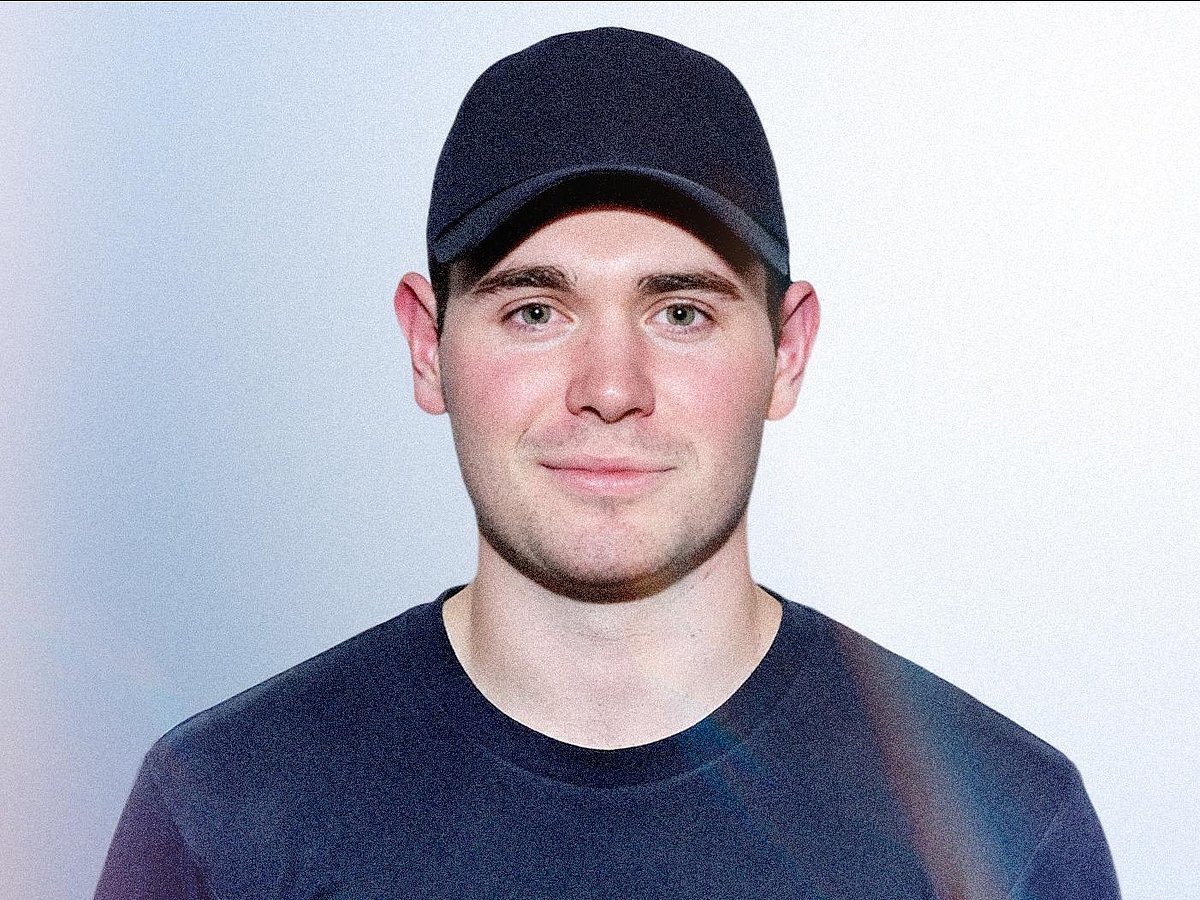
Dubai: James Dacombe left school as a teenager to build a technology company. Eight years later, the British entrepreneur has become Europe’s youngest self-made billionaire, after his artificial intelligence chip start-up Olix secured a $3.3 billion valuation.
The 25-year-old joined the billionaire ranks after London-based Olix raised $312 million in a funding round in early August, more than tripling its valuation in six months from just over $1 billion, according to the Financial Times and Forbes.
Get updated faster and for FREE: Download the Gulf News app now - simply click here.
Forbes estimates that Dacombe owns about 30 per cent of Olix, putting the value of his holding at close to $1 billion before taking into account his separate stake in CoMind, the brain-monitoring technology company he founded as a teenager. On that basis, Forbes ranks him as Europe’s youngest self-made billionaire.
The funding round was led by New York investment firm Fundomo and included backing from British chip designer Arm, quantitative trading firm Hudson River Trading and Netflix co-founder Reed Hastings. Britain’s government-backed Sovereign AI Fund also invested in the company.
The leap in valuation is striking even by the standards of the AI investment boom. Founded in 2024, Olix was valued at just over $1 billion after raising $220 million in February. Six months later, its valuation had risen to $3.3 billion.
Dacombe’s route to the billionaire ranks did not pass through university.
He began programming at 13 and left sixth-form college in Harrogate after only two days, according to The Times. At 17, he founded CoMind, a medical technology business developing non-invasive systems for monitoring the brain.
He later became a Thiel Fellow, joining a programme created by technology investor Peter Thiel that provides young entrepreneurs with funding and mentorship to pursue their businesses rather than a conventional university education.
Dacombe has previously said that starting a company at such a young age came with an unusual advantage: “naivety”, allowing him to attempt things without being constrained by assumptions about what had failed before.
In 2024, he founded the company that became Olix, turning his attention to one of the most fiercely contested areas of the technology industry: the chips required to run increasingly powerful AI systems.
Olix is developing specialised processors for AI inference, the stage at which a trained AI model processes new information and produces responses. Its technology uses photonic interconnects, transmitting data using light, as part of an effort to increase speed and energy efficiency and reduce the cost of running large AI models.
Dacombe has argued that the industry is moving away from relying on a single general-purpose architecture for every AI workload and towards specialised chips designed for particular tasks. Olix is among a growing group of companies seeking a share of a market overwhelmingly dominated by Nvidia.
The company now employs more than 140 people, with operations spanning London, Bristol, Toronto and the United States. It expects to complete the design of its chip by the end of 2026, with products targeted for delivery in 2027.
Its rise also fits into a broader British push to build a domestic AI hardware industry. The UK government has identified Olix among a group of home-grown semiconductor companies it hopes can compete internationally and has established a £500 million Sovereign AI Fund to invest in British AI businesses.
A second company in brain technology
Olix is not Dacombe’s only significant asset.
He is founder and chief executive of CoMind, which is developing non-invasive technology designed to provide clinicians with information about cerebral blood flow and other measures of brain function without invasive procedures.
CoMind raised $102.5 million in 2025 to support clinical trials, regulatory work and manufacturing preparations for its first product. The company did not disclose its valuation.
Forbes estimates that Dacombe retains a 12 per cent stake in CoMind, adding an undisclosed amount to the wealth derived from his Olix holding.
His exact net worth remains difficult to pin down because both companies are privately held and the value of his shares could change substantially in subsequent funding rounds or a future sale.
Still, the latest Olix financing places Dacombe in an unusually small group. Forbes says he is one of only 11 self-made billionaires worldwide under the age of 30, and one of four based outside the United States.
Network Links
GN StoreDownload our app
© Al Nisr Publishing LLC 2026. All rights reserved.