EU fines fragrance giants $515 million over cartel that may have raised consumer prices
Givaudan, Firmenich and IFF shared sensitive pricing and cost information for years
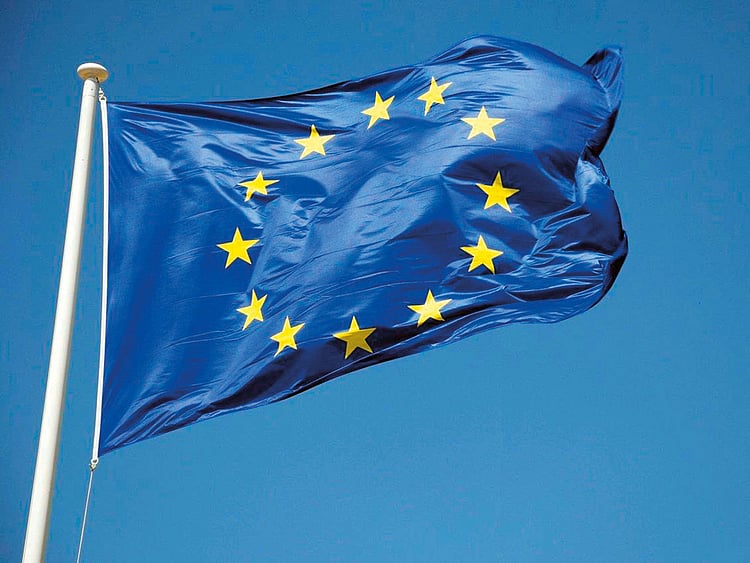
The EU on Wednesday hit the biggest names in the global fragrance industry with fines totalling 471.9 million euros ($515 million) for taking part in an international fragrance cartel that might have forced consumers to pay more.
The fines for breaking EU competition rules targeted the Swiss firms Firmenich and Givaudan and the US group International Flavors & Fragrances (IFF).
Get updated faster and for FREE: Download the Gulf News app now - simply click here.
The European Commission said its probe found they exchanged information for years on their prices, costs and other commercially sensitive information.
It included details about their dealings with the British consumer goods giant Unilever, the biggest purchaser of consumer fragrances worldwide.
"This likely harmed and raised costs for their customers who use those fragrances to make everyday consumer goods like cosmetics, detergents and cleaning products," EU antitrust chief Teresa Ribera said.
"As a result, people across Europe may have been paying more for their weekly shopping. This is not acceptable," she said in a statement.
Fragrances are used in thousands of everyday consumer goods like personal care items and laundry detergents.
The EU hit Givaudan with the biggest fine of 252.3 million euros, while Firmenich received a penalty of 137.6 million euros.
For IFF, the fine was 81.9 million euros.
The size of the fines takes into account the fact that all three companies cooperated with the commission and "acknowledged their participation in the cartel and their liability", the commission said.
The cartel lasted from 2019 to 2023, and covered the entire European Economic Area that includes the 27 EU member states as well as Iceland, Liechtenstein and Norway.
The EU carried out surprise inspections in March 2023 and the commission opened a formal investigation in November 2025, working with US, British and Swiss competition regulators.
Network Links
GN StoreDownload our app
© Al Nisr Publishing LLC 2026. All rights reserved.