Seven emirates, seven different ways to experience UAE winter
From mountain cold in Ras Al Khaimah to beach evenings in Fujairah
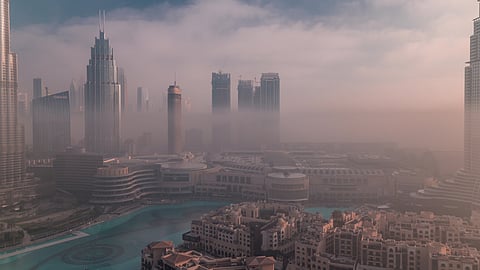
Winter in the UAE is often associated with outdoor cafés, desert camping, beach evenings and the return of lighter jackets. But while the country shares the same winter season, the experience can be surprisingly different depending on which emirate residents find themselves in.
In one part of the country, residents may be waking up to fog-covered roads, while elsewhere, visitors are enjoying a sunny afternoon by the sea. In the mountains, temperatures can drop considerably, while the desert brings chilly nights and mild daytime weather.
The differences come down to the UAE’s geography, from its long coastline and desert landscape to the Hajar Mountains in the east.
Here is how winter takes on a different character in each of the seven emirates.
1. Abu Dhabi: Winter between the desert and the sea
Winter in Abu Dhabi offers a little bit of everything. The capital combines a long coastline, islands, open desert landscapes and inland areas, giving residents different ways to enjoy the cooler months.
Along the Corniche and Saadiyat Island, winter means evening walks, outdoor dining and spending more time by the water. Further inland, Al Ain offers a different atmosphere, with cooler nights and opportunities to explore Jebel Hafeet and its surrounding landscapes.
For those heading towards Liwa, winter is particularly associated with desert camping, dune drives and nights spent around a bonfire.
It is also the season when residents make the most of outdoor attractions that are less comfortable during the hotter months.
2. Dubai: The season of outdoor living
In Dubai, winter brings the city outdoors. Beach clubs, waterfront restaurants, outdoor markets and open-air attractions become popular meeting points as temperatures become more comfortable.
From Jumeirah Beach and Kite Beach to Dubai Creek and the city’s outdoor dining districts, residents have more opportunities to spend time outside without the intensity of summer heat. Pop-up events like Marsa Boulevard also opens it's doors for the winter, offering another beautiful outdoor scene in Dubai.
The desert also becomes a popular weekend escape, with camping and activities around Al Qudra and the surrounding dunes.
Unlike the quieter desert landscapes, Dubai’s winter experience is often centred around its busy social scene, with residents making the most of outdoor events, festivals and late-night activities.
3. Sharjah: A winter between culture and nature
Sharjah’s winter has a quieter character, with cultural attractions and natural landscapes offering plenty of opportunities to explore.
The cooler weather makes it easier to spend time walking around the Heart of Sharjah, visiting museums and exploring the emirate’s waterfront areas.
But Sharjah’s geography offers another side to the season. Its eastern coastline, including Khor Fakkan and Kalba, provides a completely different winter experience, with beaches, mountains and coastal scenery.
Residents can move from the cultural districts of Sharjah city to the eastern coast for a weekend by the sea, where the Hajar Mountains provide a dramatic backdrop.
4. Ajman: Slower days by the coast
For Ajman, winter is an opportunity to enjoy a slower pace of life along the coast.
The emirate’s beaches and waterfront areas become more inviting, with residents spending time walking along the Corniche, enjoying outdoor cafés and watching the sunset.
Beyond the main city, Ajman’s mountainous enclave of Masfout offers a different setting. Surrounded by rocky landscapes and mountains, it provides a cooler escape from the coastal areas.
This contrast makes Ajman particularly interesting during winter, offering both a relaxed seaside atmosphere and a quieter mountain retreat.
5. Umm Al Quwain: Winter by the water
Umm Al Quwain offers a more laid-back winter experience, particularly for those looking to spend time away from the country’s busier cities.
Its coastline, lagoons and mangroves make it an attractive destination for kayaking, boating and other outdoor activities.
The emirate’s natural environment is particularly appealing during the cooler months, when residents can explore its waterways and enjoy the quieter surroundings.
For those who prefer a peaceful weekend rather than a crowded outdoor destination, Umm Al Quwain offers a different way to experience the season.
6. Ras Al Khaimah: Where winter gets seriously cold
If there is one emirate that gives residents a taste of a much colder winter, it is Ras Al Khaimah.
Home to Jebel Jais, the UAE’s highest mountain, the emirate experiences noticeably cooler conditions at higher elevations, particularly during the night and early morning.
At around 1,934 metres above sea level, Jebel Jais offers a different winter atmosphere from the country’s coastal cities. Temperatures can drop significantly, making it a popular destination for residents looking to escape the warmer lowland areas.
Winter also brings opportunities for mountain drives, hiking and outdoor adventures, while the surrounding desert and coastal areas offer milder alternatives.
For many residents, a trip to Jebel Jais is as close as they can get to experiencing a proper mountain winter without leaving the UAE.
7. Fujairah: Winter with a mountain and sea breeze
On the country’s eastern coast, Fujairah offers a different winter landscape, where the mountains meet the Gulf of Oman.
Unlike the western coastline, Fujairah’s beaches face the Gulf of Oman, making the emirate a popular destination for residents looking to spend time by the water.
The cooler months are particularly suitable for beach visits, diving, snorkelling and exploring the coastline around Al Aqah and Dibba.
Its proximity to the Hajar Mountains also gives the emirate a different climate from the flatter coastal areas. The mountains influence local weather conditions and receive more rainfall than many other parts of the country.
For residents, winter in Fujairah often means combining a morning in the mountains with an afternoon by the sea.
One season, seven different experiences
Although winter brings cooler temperatures across the UAE, it does not mean the same thing in every emirate.
The country’s coastal areas generally experience more moderate temperatures, while inland deserts can become considerably colder at night. Mountainous areas, particularly at higher elevations, experience the lowest temperatures.
The National Centre of Meteorology has previously recorded temperatures below freezing at Jebel Jais, while fog and mist are also familiar features of winter mornings across parts of the country.
Ultimately, whether it is camping in Abu Dhabi’s desert, enjoying Dubai’s outdoor dining scene, exploring Sharjah’s eastern coast or heading up the mountains of Ras Al Khaimah, winter offers residents seven different reasons to get out and explore the UAE.
And perhaps that is what makes the season special: you do not necessarily have to leave the country to experience a completely different kind of winter.


