‘Dad, I’m cold. Let me in’: Syrian man found dead in freezer in Netherlands
Father haunted by son’s final plea as social care advice comes under scrutiny
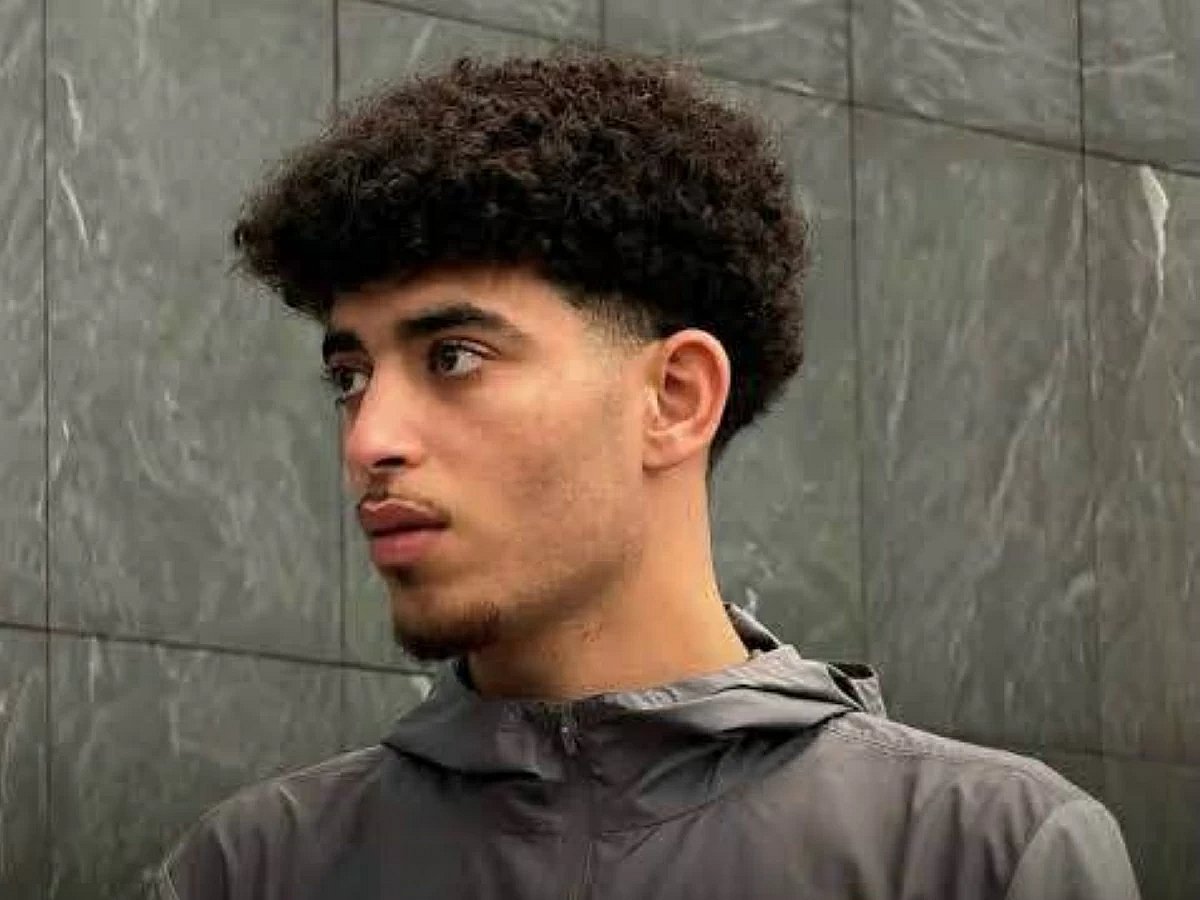
Dubai: “Dad, I’m cold. Let me in.” Those were among the last words Syrian refugee Mohammed Omar reportedly spoke to his father before the 20-year-old was found dead inside an abandoned freezer on a pavement outside his family's home in the Dutch city of Utrecht.
His desperate plea, made in the freezing early hours of November 22, has become the heart-breaking centre of a tragedy that has shocked the Netherlands and raised troubling questions about family separation, mental health support and the responsibilities of social care agencies.
Get updated faster and for FREE: Download the Gulf News app now - simply click here.
Two days later, on Tuesday, November 24, Mohammed's body was discovered inside an old chest freezer on Timmerstraat in Utrecht's Pijlsweerd neighbourhood, just metres from the home where he had reportedly begged to be allowed inside.
His father, Abdul Karim Omar, told Dutch media that his son had arrived at the family home at around 2am, knocking on the door and asking to escape the bitter cold.
But the door remained closed.
The father said he refused to let Mohammed inside because he feared that doing so could jeopardise the custody of his other children, following what he described as warnings from social care workers.
He said he would never forget his son's final plea.
A father's decision, a family's heartbreak
Behind that closed door was a family already struggling with years of hardship.
According to his father, Mohammed had arrived in the Netherlands from Syria as a teenager and lived alone before his family joined him through a reunification programme in November 2024.
During that period, the young man reportedly struggled with drug and alcohol use, psychological difficulties, financial problems and repeated disputes with relatives and others.
His family had sought professional assistance, and a local social support organisation, Buurtteam Ondiep, became involved in helping them navigate the situation.
But what happened in the final days of Mohammed's life has now placed that support system under scrutiny.
His father claims social workers advised him not to allow Mohammed back into the family home, warning that his other children could be removed if he failed to comply.
The organisation has acknowledged its involvement in supporting the family but has not confirmed issuing such instructions or threatening to remove Mohammed's siblings.
The father's account therefore remains unverified.
A freezer left on the pavement
According to Dutch media reports, the freezer in which Mohammed was found had been standing outside the family's home for approximately two weeks.
Partly concealed beneath vegetation, it attracted little attention from neighbours, who assumed it was an unwanted household appliance awaiting disposal.
It was only on November 24 that the horrifying discovery was made.
The family believes Mohammed may have climbed inside the freezer in a desperate attempt to shelter from the cold, only to become trapped.
Temperatures in Utrecht reportedly fell to around minus 4.5 degrees Celsius overnight.
However, investigators have not established that this is how Mohammed died, and the circumstances surrounding his entry into the freezer remain unclear.
Police find no evidence of crime
Dutch police initially said all possibilities were being considered as they investigated the young man's death.
On November 26, police and prosecutors announced that their investigation had found no indications of a criminal offence.
That finding, however, has not resolved the questions surrounding Mohammed's final hours or the circumstances that left him outside in freezing conditions.
Utrecht Mayor Sharon Dijksma has announced an investigation into the involvement of relevant agencies, including what information they possessed and what advice was actually given to the family.
She stressed the importance of establishing the facts and determining responsibilities without rushing to conclusions.
A tragedy beyond one family
Mohammed's death has brought painful attention to the difficulties faced by vulnerable young people struggling with addiction, psychological distress and family conflict, particularly when relatives feel unable to cope without outside support.
For his family, the tragedy is deeply personal.
A young man who had left war-torn Syria in search of a different future died in circumstances that have left his loved ones searching for answers.
The investigation may eventually establish what happened and whether opportunities to protect him were missed.
But for his father, one memory is unlikely to fade: a freezing night, a knock on the door and a son's plea to be let inside.
Network Links
GN StoreDownload our app
© Al Nisr Publishing LLC 2026. All rights reserved.