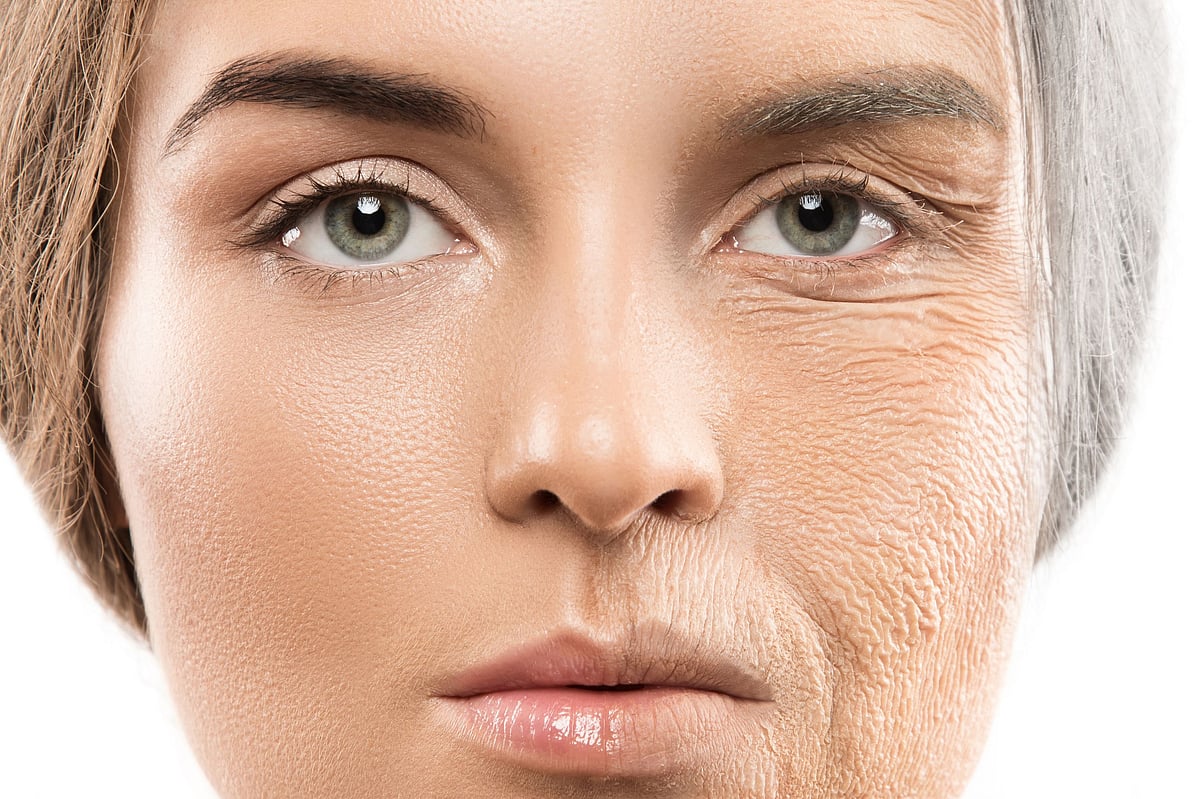
Researchers at the University of Jyväskylä in Finland have found that biological ageing may begin accelerating as early as young adulthood, with lifestyle, environmental exposures and living conditions potentially influencing the process.
The study, published in Environment International, found that childhood and adolescent lifestyle and environmental exposures accounted for about 28% of the variation in biological age at 22.
Get updated faster and for FREE: Download the Gulf News app now - simply click here.
What the researchers found
The researchers examined how the exposome — the totality of lifestyle and environmental exposures a person experiences — may affect biological ageing in young adults.
Using data from a longitudinal twin study, the team used machine-learning models to assess 186 lifestyle and environmental exposures.
These included:
Lifestyle factors
Air pollution
Surrounding greenness
Sociodemographic factors in participants’ residential areas
The measured exposures during childhood and adolescence explained approximately 28% of the variation in epigenetic age at 22, the researchers found.
Biological age can differ from chronological age
Biological ageing does not necessarily follow a person's chronological age. While ageing begins before birth, the pace at which the body ages can vary between individuals.
Researchers say faster biological ageing is associated with a higher risk of developing age-related diseases earlier in life.
Lifestyle and environment may both matter
The findings suggest that the factors influencing biological ageing extend beyond genetics and personal lifestyle choices.
Environmental conditions and the places where people live may also contribute to differences in biological ageing, highlighting the potential importance of exposures during childhood and adolescence.
Network Links
GN StoreDownload our app
© Al Nisr Publishing LLC 2026. All rights reserved.