Philippines: Multibillion scam at BIR via 'Letter of Authority' (LOA) and Mission Orders (MOs) uncovered — corruption runs deep as Senate probe kicks off
Bureau of Internal Revenue kickbacks: Senate probe into 'weaponised' LOA/MO schemes
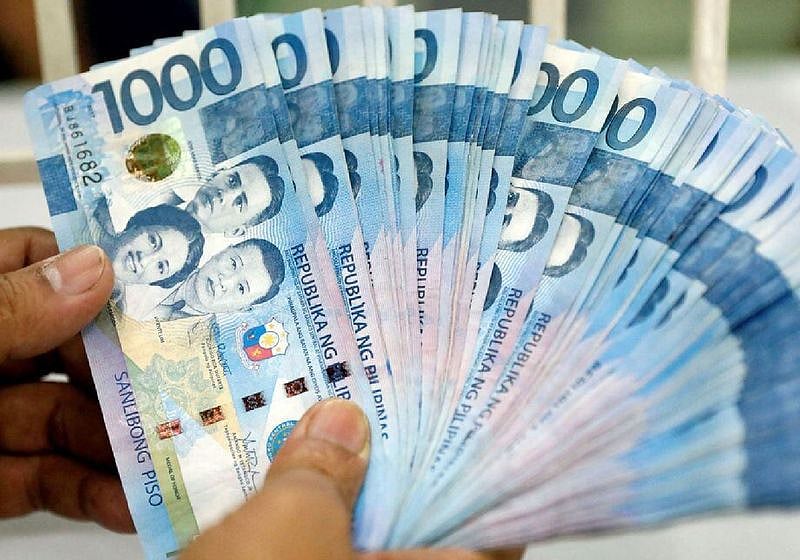
In the Philippines, few government institutions inspire as much fear — or resentment — as the Bureau of Internal Revenue (BIR) and the Bureau of Customs (BoC).
To traders and investors, they are not just regulators but ever-present forces capable of making or breaking a business, wielding immense power behind closed doors.
As the state’s primary money-collecting engines, the BIR and the BoC do more than raise revenue. They sit at the nerve centre of the nation’s economic fate, shaping who thrives, who falters, and ultimately, how the country moves forward.
Data shared by the Philippine Senate shows that up to 70% of tax collections tied to BIR's Letter of Authority (LOA) audits are pocketed, allegedly shared by officials.
It means: the money is diverted away from government coffers and into private hands, with only a fraction actually remitted as legit state revenue.
Any whistleblower is threatened with extreme retaliation, often resulting in their business getting crushed, if not an outright threat to their lives.
Senate probe
Now, the Senate’s Blue Ribbon Committee, led by Senate President Pro Tempore Panfilo Lacson, has escalated its investigation into the alleged exploitation of the BIR Letters of Authority (LOAs) and Mission Orders (MOs).
In theory and legal parlance, these are tools meant for ensuring tax compliance.
Now, they’re at the centre of corruption complaints that taxpayers and lawmakers alike say have turned into a lucrative racket.
BIR extortion racket: How it works
The controversy erupted after numerous business owners — both large and small — came forward with allegations that BIR agents have been abusing LOAs and MOs not just for audits, but as a means to extort money and harass compliant taxpayers.
But more insidious allegations involve the use of LOAs and MOs to pressure companies into "unofficial settlements".
These unofficial settlements often done via "drop boxes", retrieved by invisible hands, and with no CCTVs trained on them.
On January 27, 2026, BIR chief Charlie Mendoza announced the dismantling of two audit units.
He also disbanded task forces as it resumed issuing letters of authority (LOAs), promising “fairer, more predictable, and more accountable” audits.
What are LOAs and MOs — and why do they matter?
LOAs are equivalent to a search warrant.
They empower BIR examiners to access a taxpayer’s books, records, and other documents to assess compliance — essentially acting as a legal door opener for audits.
MOs authorise surveillance and enforcement actions on business establishments.
These tools are legitimate and necessary for tax enforcement.
However, multiple complaints allege they have been “weaponised” — issued excessively, irregularly, or even to businesses already in full compliance — creating "pressure points" that critics say can be manipulated for illicit gain.
Following a months-long suspension of LOA and MO issuances prompted by these scandals, the BIR announced on January 28, that it is lifting the suspension after conducting an internal review of audit procedures and instituting reforms, as per Manila Times.
This means: Tax audits will resume, albeit with reforms aimed at making the process "fairer".
That, at least, has been the claim made by BIR.
Amount of taxes collected by the BIR in 2025, a new record high, but it fell short of the ₱3.232 trillion target, partly due to the suspension of audit operations
Pushback from Senate
But Lacson says the lifting of the suspension isn’t enough, and not without a Senate oversight.
“We need to be formally informed of the reforms and determine if safeguards are in place to prevent abuse against taxpayers,” Lacson said.
The senator, a former top cop who also led the explosive Senate probe on ghost infrastructure/flood control projects, signalled that the Blue Ribbon hearings will continue this week, with key BIR officials set to face tough questioning.
Allegations of corruption: From skimming to extortion
Senators have detailed dramatic claims from taxpayers:
Some businesses reported being slapped with tremendously inflated assessed liabilities, then offered “discounted” reductions that allegedly benefit corrupt officials rather than the state treasury.
Senator JV Ejercito has alleged that up to 70% of tax collections tied to LOA audits are allegedly diverted away from government coffers and into private pockets, with only a fraction actually remitted as legitimate revenue.
In one high-profile incident, two BIR employees were arrested and charged with direct bribery and corruption for allegedly soliciting bribe money related to LOA misuse, and are now undergoing investigation and preventive suspension.
Multiple complaints
These kinds of allegations are pervasive all across the country it's become an alternative career for taxmen.
These include multiple complaints from taxpayers who fear retaliation or blacklisting if they speak out — have reinforced the perception that corruption within the BIR is not isolated but systemic.
Systemic pattern
Concerns about corruption in the Philippines’ tax system are not new. Academic and historical analyses show that the BIR has faced patterns of internal and external corruption involving bribery, extortion, embezzlement, and other scams for decades, with past efforts to reform the agency often met with resistance or partial implementation.
What's next?
With reforms touted by BIR leadership now on the table, the Senate is demanding transparency, accountability and evidence of real safeguards before considering the matter closed.
Lawmakers want to ensure that audit authorities aren’t used as tools of intimidation or revenue schemes that benefit insiders at the expense of taxpayers.
The Blue Ribbon hearings could summon former and current BIR officials, technical working group members, and taxpayer witnesses — pushing for structural changes that go beyond temporary suspensions.
As the investigation unfolds, Filipino taxpayers watch closely: will this probe expose deeper corruption within the nation’s tax authority — or merely scratch the surface of decades-old issues that demand long-term reform?
The answers may shape not just tax administration, but public trust in government institutions.
2025 pevenue performance (preliminary)
Bureau of Internal Revenue (BIR): Collected roughly ₱3.105 trillion in 2025. While this is a new record high, it fell short of the ₱3.232 trillion target, partly due to the suspension of audit operations during an institutional reform phase.
Bureau of Customs (BOC): Collected ₱934.4 billion in 2025, which was a 1.9% increase over 2024. This collection was achieved despite lower import volumes and the suspension of rice importation, though it fell slightly short of the ₱958.7 billion target.
Sign up for the Daily Briefing
Get the latest news and updates straight to your inbox
Network Links
GN StoreDownload our app
© Al Nisr Publishing LLC 2026. All rights reserved.