Egypt authorised to defend Saudi Arabia against Houthis: How Pakistan and Turkey could change the conflict
Cairo's military move raises stakes as regional powers weigh a wider role against Houthis
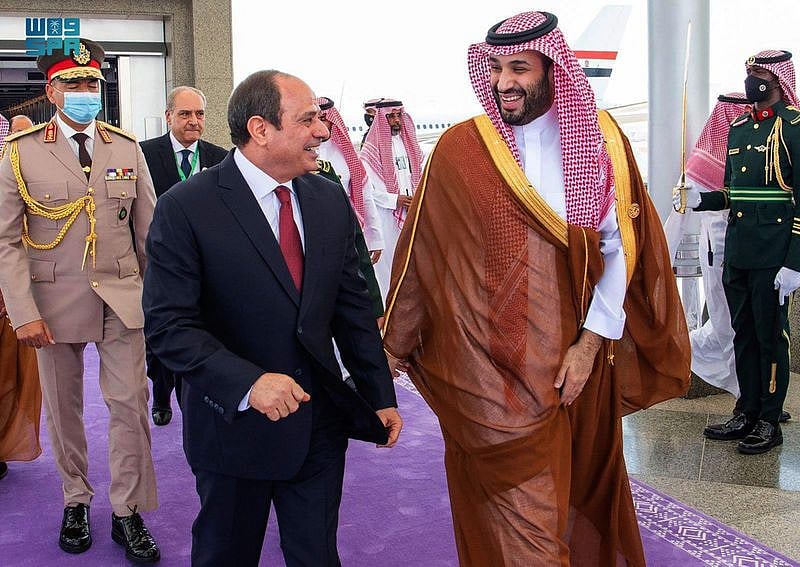
Dubai: Egypt's decision to authorise military support for Saudi Arabia could reshape the kingdom's response to escalating Houthi missile and drone attacks, potentially bringing four major regional powers into closer defensive cooperation.
But will Cairo's involvement strengthen Saudi defences, encourage Pakistan and Turkey to deepen their roles, or risk widening Yemen's conflict?
Egypt's parliament on Monday approved President Abdul Fattah Al Sissi's request to provide military assistance to Saudi Arabia if needed.
The move comes as Riyadh strengthens defence cooperation with Pakistan and Turkey under the Mecca Joint Defence Agreement. Egypt is not a member but consults all three countries through the R4 diplomatic grouping.
Here are six key questions.
Why is Egypt's decision significant?
Egypt has the Arab world's largest military, with substantial air, naval and air-defence capabilities.
Cairo joined the Saudi-led coalition against Yemen's Houthis in 2015, contributing naval and air forces, including warships deployed to the Red Sea.
This time, Al Sissi has ruled out offensive operations against Yemen, saying Egyptian involvement would focus exclusively on defending Saudi territory and borders.
Parliament approved the request by a two-thirds majority following three closed-door meetings and two postponements.
However, questions remain over the mission's scope. An opposition party abstained, seeking clarity on its objectives, duration and risks to Egyptian soldiers.
No deployment has been announced.
How could Egypt strengthen Saudi defences?
Egypt could potentially provide fighter aircraft, air-defence systems, surveillance capabilities and naval support to help protect Saudi airports, energy installations and borders.
Its Red Sea experience could also prove valuable as Houthi attacks threaten shipping near the Bab Al Mandab Strait.
But the effectiveness of any assistance would depend on the equipment deployed and coordination with Saudi forces.
H.A. Hellyer, senior associate fellow at the Royal United Services Institute, believes Egypt's involvement may remain limited.
“What the Saudis want most of all from Egypt is political support and symbolic presence in Saudi itself. It's standing shoulder to shoulder with Saudi,” he told AFP.
How could Pakistan and Turkey change the conflict?
Unlike Egypt, Pakistan and Turkey are members of the Mecca Joint Defence Agreement with Saudi Arabia, which establishes a collective-defence framework.
Pakistan and Saudi Arabia have completed ratification, while Turkey is pursuing parliamentary approval.
Pakistan has longstanding military ties with Riyadh, including training and advisory cooperation. Turkey is considering defensive assistance involving technical specialists, air-defence capabilities and electronic warfare expertise.
Together, they could strengthen Saudi Arabia's ability to detect and intercept Houthi missiles and drones.
Pakistan's military experience and Turkey's expertise in drone and counter-drone technology could improve surveillance, early warning and operational coordination.
Such cooperation could make Houthi attacks less effective and increase pressure on the militia.
However, the impact would depend on actual deployments. Both countries have emphasised defensive cooperation rather than offensive operations against Yemen.
Could Egypt become the fourth member of the Mecca pact?
That remains uncertain.
Egypt has also been coordinating with Saudi Arabia, Pakistan and Turkey on regional security, although Cairo is not a member of their Mecca defence pact.
Cairo could provide military assistance to Riyadh without formally joining the pact, allowing it to retain flexibility over its involvement.
Formal membership would carry broader obligations under the agreement's collective-defence provisions.
For now, Egypt's parliamentary authorisation concerns defensive support for Saudi Arabia, not membership of the pact.
Why does Egypt have a direct stake?
Egypt's interests extend beyond its close political and economic relationship with Saudi Arabia, a major financial backer of Cairo.
Houthi attacks and Red Sea disruptions threaten two important sources of foreign currency: Suez Canal revenues and remittances from Egyptians working in Saudi Arabia.
The Bab Al Mandab Strait is the southern gateway to the Suez Canal, whose revenues have struggled to recover since Houthi attacks on shipping began in 2023.
Saudi Arabia also hosts the largest Egyptian expatriate community. Remittances from Egyptians working in the kingdom reached $12 billion last fiscal year — exceeding the Suez Canal's record annual revenues in 2023.
Protecting Saudi Arabia therefore also serves Egypt's economic interests.
Will a stronger alliance deter the Houthis or widen the war?
A coordinated regional defence network could help Saudi Arabia intercept missiles and drones, protect critical infrastructure and discourage further attacks.
But greater foreign military involvement also carries risks.
If Egyptian, Pakistani or Turkish personnel become involved in direct combat, pressure for retaliation could increase, potentially widening a conflict already linked to tensions involving Iran, the United States and Israel.
Diplomacy remains central to the regional response.
Saudi Arabia, Pakistan and Turkey are pursuing talks with Iranian leaders in Tehran to prevent further escalation.
Egypt, meanwhile, says it remains in daily contact with Iran and supports a negotiated settlement.
The emerging approach combines stronger Saudi defences with efforts to keep diplomatic channels open.
The crucial question is whether a broader regional military shield can deter Houthi attacks without triggering a wider confrontation.

Sign up for the Daily Briefing
Get the latest news and updates straight to your inbox
Network Links
GN StoreDownload our app
© Al Nisr Publishing LLC 2026. All rights reserved.