Could Pakistan restrict social media for under-16s? Court seeks answers
Petition seeks age checks and stronger safeguards to protect children from online harm
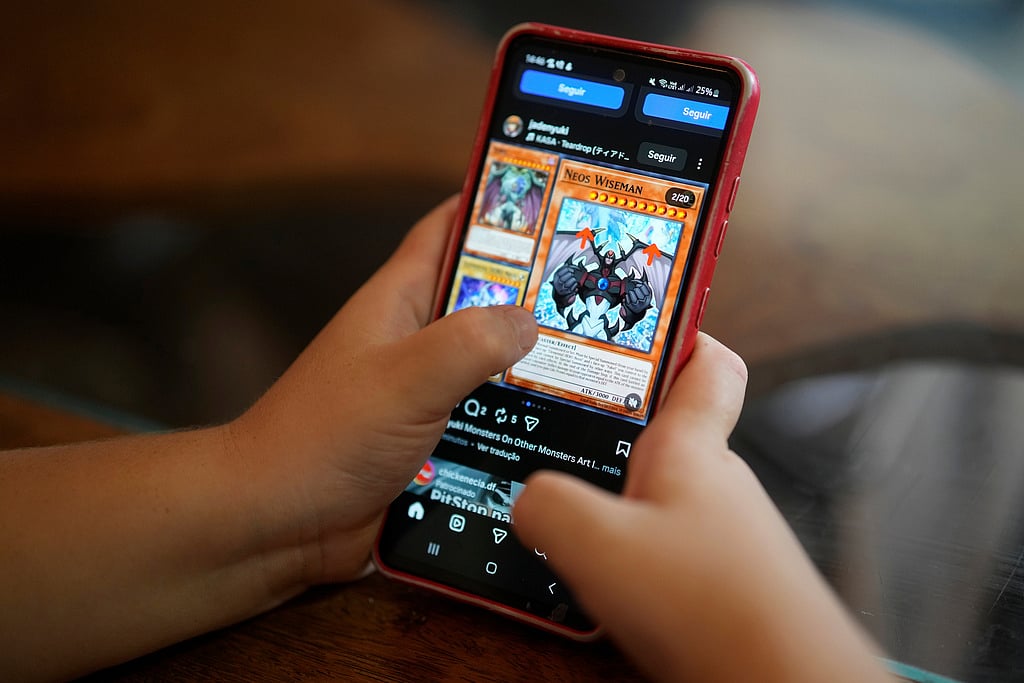
Dubai: Should children under 16 be allowed unrestricted access to social media?
Pakistan may soon have to confront that question as the Islamabad High Court examines a petition seeking age verification, tougher safeguards and potentially sweeping new rules governing how children use social media platforms.
The court on Monday sought responses from the federal government and key regulators after being told that Pakistan currently has no specific legislation regulating children’s access to social media, even as countries around the world tighten protections for minors online.
Islamabad High Court Chief Justice Sardar Muhammad Sarfaraz Dogar issued notices to the ministries of information technology, information, interior and law, as well as the Pakistan Telecommunication Authority (PTA) and Pakistan Electronic Media Regulatory Authority (Pemra).
They have been asked to respond within 15 days.
The petition, filed by Waqas Nasir through advocates Muhammad Jalal Haider and Yahya Farid Khawaja, seeks an effective age-verification system for social media accounts used by children under 16, Dawn and Geo News reported.
It highlights risks ranging from cyberbullying and online harassment to exposure to inappropriate and harmful content.
No specific law
One of the most significant exchanges came when the chief justice asked whether Pemra already had legislation dealing specifically with children’s social media use.
The answer was no.
The petitioner’s counsel told the court that while Pemra could take action on the basis of complaints, there was no specific legislation regulating children’s access to social media.
The lawyers argued that protecting children was not merely a policy choice but a constitutional and legal responsibility of the state.
They called for legislation requiring social media platforms themselves to shoulder specific responsibilities for protecting minors.
The petition also seeks a broader policy covering children’s digital rights, privacy and mental and physical well-being, along with a dedicated mechanism to regulate and protect their social media use.
Pakistan looks at global crackdown
The case comes as governments around the world grapple with how far they should go in restricting children’s access to social media.
The petition points to Australia’s restrictions involving social media accounts for under-16s, France’s parental-consent requirements for children under 15 and Britain’s Online Safety Act.
It also cites proposed restrictions involving under-16s in New Zealand and Spain as evidence of what it describes as an emerging international trend towards stronger protection of children online.
Those approaches include age verification, parental controls and measures intended to shield minors from harmful content.
The petitioner also relied on the UN Convention on the Rights of the Child and General Comment No. 25, which addresses children’s rights in the digital environment.
Under-16 ban already raised
The issue had already surfaced politically in Pakistan before reaching the Islamabad High Court.
A resolution was submitted in the Punjab Assembly last month seeking a nationwide ban on social media accounts for children under 16 without parental consent.
Moved by MPA Sarah Ahmad, it called on the provincial government to recommend that the federal government introduce comprehensive legislation regulating children’s access to social media and strengthening online safeguards.
The IHC case could now push that debate onto the national stage.
Rather than asking the court simply to block particular content or platforms, the petition seeks a system governing who can open social media accounts, how their age is verified and what responsibility platforms have when their users are children.
The court has not ordered an under-16 ban or imposed new restrictions at this stage.
For now, it has asked the government and regulators to explain their position.
But with Pakistan currently lacking a specific law governing children’s social media access, their answers could help determine whether the country joins the growing global push to put an age gate around childhood online.
Where children face social media age bans
Australia — Under 16: Since December 2025, major platforms including Instagram, Facebook, TikTok, Snapchat, X and YouTube must take reasonable steps to prevent under-16s from holding accounts.
Malaysia — Under 16: From June 2026, under-16s cannot open social media accounts. Age verification using official identification is required.
Indonesia — Under 16: Social media access for under-16s has been restricted since March 2026 as part of tighter protections for children online.
UAE — Under 15: The UAE has approved a ban on personal social media accounts for children below 15, with platforms given a 12-month transition period to implement the new rules. Those aged 15 to under 16 will be allowed access with enhanced safeguards.
New Zealand — Under 16 proposed: The government introduced legislation this month that would prohibit under-16s from using social media and place responsibility for compliance on technology companies.
France — Under-15 plan blocked; Parliament approved an under-15 restriction, but France’s Constitutional Council struck down the blanket ban in August on constitutional and privacy grounds. The government plans to pursue revised rules.

Sign up for the Daily Briefing
Get the latest news and updates straight to your inbox
Network Links
GN StoreDownload our app
© Al Nisr Publishing LLC 2026. All rights reserved.