Kabul: Nineteen Afghan men have died of thirst and heat exhaustion while attempting to cross illegally into Iran through one of the world's harshest desert regions.
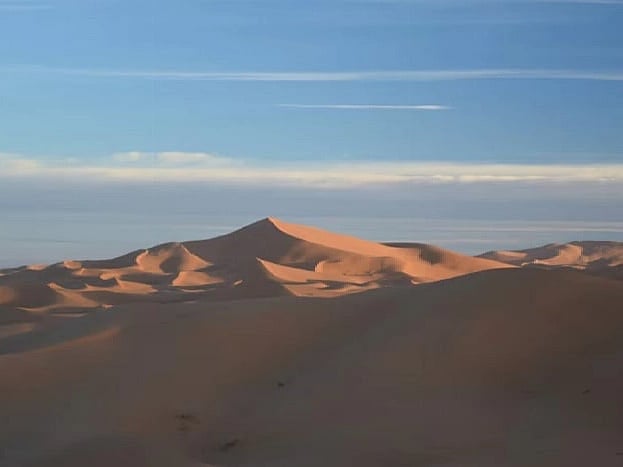
Local authorities in Nimroz Province, in south-western Afghanistan, said rescue teams recovered the bodies of 14 menfrom the Rig Lalo desert, days after the remains of five others were found in the nearby Dasht-e Margo, or "Desert of Death".
Get updated faster and for FREE: Download the Gulf News app now - simply click here.
Habibullah Elham, Director of Information and Culture in Nimroz, said the victims succumbed to extreme heat and dehydration after running out of water while crossing the arid terrain.
Officials said the earlier discovery of the five bodies had prompted a search for the remaining members of the group, who had all disappeared while attempting to reach Iran. The recovery of the final 14 bodies confirmed that all 19 migrants had died during the journey.
Abdul Mutawakil Tawhidi, a provincial spokesman, said local authorities, assisted by residents, retrieved the bodies from the desert and transferred them from the remote area.
According to local sources and Afghan media, all of the victims came from the same village in Badghis Province in north-western Afghanistan.
They had reportedly set out in search of work and better economic opportunities abroad before becoming stranded in the desert near the Iranian border.
Nimroz, which borders both Iran and Pakistan, is one of the main transit routes used by migrants attempting to leave Afghanistan.
The province is known for its vast sand dunes, barren landscapes and extreme summer temperatures that frequently exceed 50C, making crossings on foot particularly dangerous.
Humanitarian organisations have repeatedly warned that migrants travelling through the region face life-threatening risks from dehydration, exposure and exhaustion, especially during the summer months.
Network Links
GN StoreDownload our app
© Al Nisr Publishing LLC 2026. All rights reserved.