India rolls out Bharat Taxi; drivers to receive profit share
Government-backed platform offers co-ownership, stable earnings for cab and auto drivers
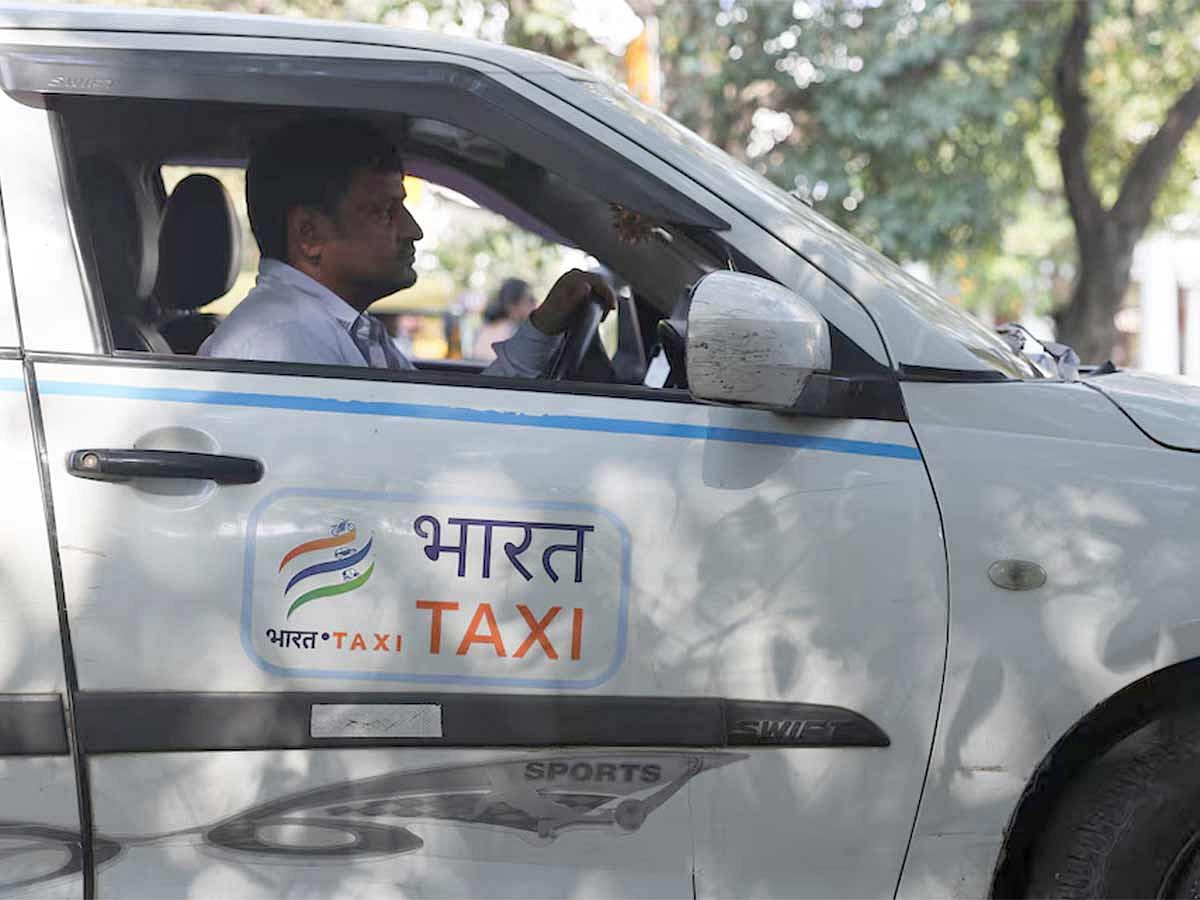
In a move that could reshape India’s ride-hailing market, the Centre has rolled out Bharat Taxi, a government-backed cooperative platform that gives drivers a direct share in profits.
Launched earlier this month by Union Cooperation Minister Amit Shah, the platform is built on a simple idea: when the company grows, drivers should grow with it.
Addressing cab and auto drivers from Delhi-NCR and Gujarat on Monday, Shah said Bharat Taxi would work differently from private app-based operators. Instead of profits flowing mainly to investors, drivers will be co-owners of the platform.
80% profits to be shared with drivers
Under the cooperative structure, 80 per cent of profits will be distributed among drivers. The payout will be linked to the distance each driver covers. The remaining 20 per cent will be used for operations and future expansion.
Shah said the aim is to avoid a situation where company earnings rise but drivers continue to struggle with unstable incomes. He also raised concerns about the lack of guaranteed minimum fares on existing platforms.
“I asked the existing companies whether they had fixed a minimum base rate for drivers. They said no. We will ensure your minimum earnings are protected,” he told the gathering.
Drivers can become members by buying a share worth ₹500, making them part-owners. As membership grows, drivers will also have representation on the board, giving them a say in key decisions.
‘Inspired by Amul model’
To explain the cooperative approach, Shah cited the example of Amul. He noted how small contributions from millions of women helped build one of India’s largest dairy brands, with profits going back to producers instead of private owners.
He said Bharat Taxi follows a similar path, but in the transport sector.
Operations begin in Delhi-NCR, Rajkot
The service has started operations in Delhi-NCR and Rajkot after a two-month pilot phase. It was formally launched on February 5 with support from eight cooperative organisations. The platform has been designed to integrate all three types of vehicles: four-wheelers, three-wheelers, and two-wheelers.
In Delhi, Bharat Taxi has signed an agreement with Delhi Traffic Police to operate 34 prepaid taxi booths across 21 locations. A Joint Command and Control Centre has also been set up for real-time ride monitoring and emergency response.
A partnership with Delhi Metro Rail Corporation will provide last-mile services at 10 major metro stations. Commuters can book bike taxis, autos or cabs for end-to-end journeys on a single platform.
The platform has also signed an MoU with the Airports Authority of India to regulate its operations at airports across the country.
Big plans, cautious optimism
The government plans to enroll up to 150 million drivers over the next two years and expand to all cities with municipal corporations within three years.
However, Shah cautioned that profit-sharing benefits may take time to stabilise. He said it could be nearly three years before returns become steady at scale.
As Bharat Taxi prepares to expand nationwide, it will compete with established players such as Ola, Uber, and Rapido.
With its cooperative model and promise of shared ownership, Bharat Taxi is positioning itself as a platform centred on drivers, with profits shared fairly.

Sign up for the Daily Briefing
Get the latest news and updates straight to your inbox
Network Links
GN StoreDownload our app
© Al Nisr Publishing LLC 2026. All rights reserved.