UAE fuel prices for May out today: Petrol, diesel costs to rise as oil surges?
Motorists weigh impact as oil costs jump again to stay nears $120 as global flows tighten
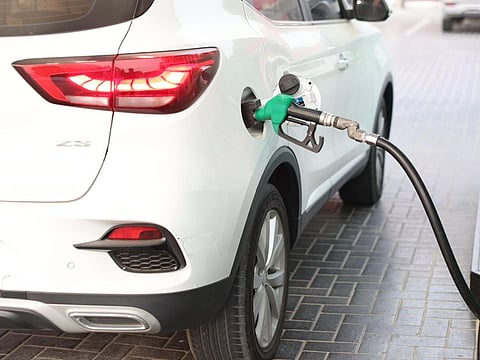
Dubai: UAE motorists are unlikely to see a sharp drop in fuel prices for May, with rates set to be announced later today, even as global oil markets surge again.
Crude has jumped sharply—adding fresh upward pressure, but too late to significantly alter May fuel prices.
Brent crude has surged to $119.69 per barrel, up 7.6% on Wednesday
This marks its highest level since early 2022, during the early phase of the Ukraine war
Prices have now climbed sharply from roughly $70 before the conflict, with repeated spikes above $119
This latest rally comes as Iran has effectively closed the Strait of Hormuz, a critical artery for global oil shipments.
Get updated faster and for FREE: Download the Gulf News app now - simply click here.
How UAE fuel costs will change
The UAE sets fuel prices based on the average oil price over the previous month, creating a lag effect:
April prices reflected March’s sharp spike
May prices are based on April averages, which were lower than current levels
Likely direction for May:
Petrol prices: stable or slightly lower
Diesel: likely to remain elevated
Overall trend: no repeat of April surge, but limited relief, with current market strength unlikely to reverse May prices higher at this stage
Despite oil nearing $120 again, May pricing is effectively locked in by April averages, meaning the current surge will have a stronger impact on June prices.
Why prices won't fall faster
Oil had eased earlier, but the latest developments have reversed that trend. The Strait of Hormuz is now effectively constrained, disrupting tanker movement through a route that carries about 20% of global oil supply. This has tightened global flows and pushed prices sharply higher.
There is little clarity on resolution. While Iran has linked reopening the Strait to changes in US policy, there are no signs of a breakthrough. Markets are reacting to supply disruption rather than diplomatic progress.
At the same time, supply risks are not absolute. Iran has continued exporting crude despite restrictions, with shipments still finding ways to move through the region. This suggests flows are disrupted, but not entirely halted.
What happens after a spike
Past UAE pricing cycles show a consistent pattern:
Sharp increases are followed by partial pullbacks, not immediate reversals
Prices stabilise over one to two months before a clearer trend emerges
Diesel often lags on the downside due to tighter global supply
That points to May acting as a holding phase, even as markets heat up again.
Scenarios for May fuel prices
For May:
Prices reflect April averages
Rates remain stable or slightly lower
For June:
Oil staying near or above $110–$120 could push prices higher
Continued disruption in Hormuz would sustain upward pressure
When costs could ease:
Shipping through Hormuz normalises
Diplomatic progress reduces supply risks
Oil retreats from current highs
What motorists should watch
The direction now hinges on oil flow stability and how long current disruptions last. Focus areas:
Whether Brent holds near $110–$120
Developments around the Strait of Hormuz
Any progress in geopolitical negotiations
April reflected the peak shock. May will show whether markets stabilise—or remain under pressure, while June pricing will more fully reflect the latest oil market rebound.