India Budget 2026: 12 takeaways so far you should know
From capex push to manufacturing focus, here’s what the budget means for the economy
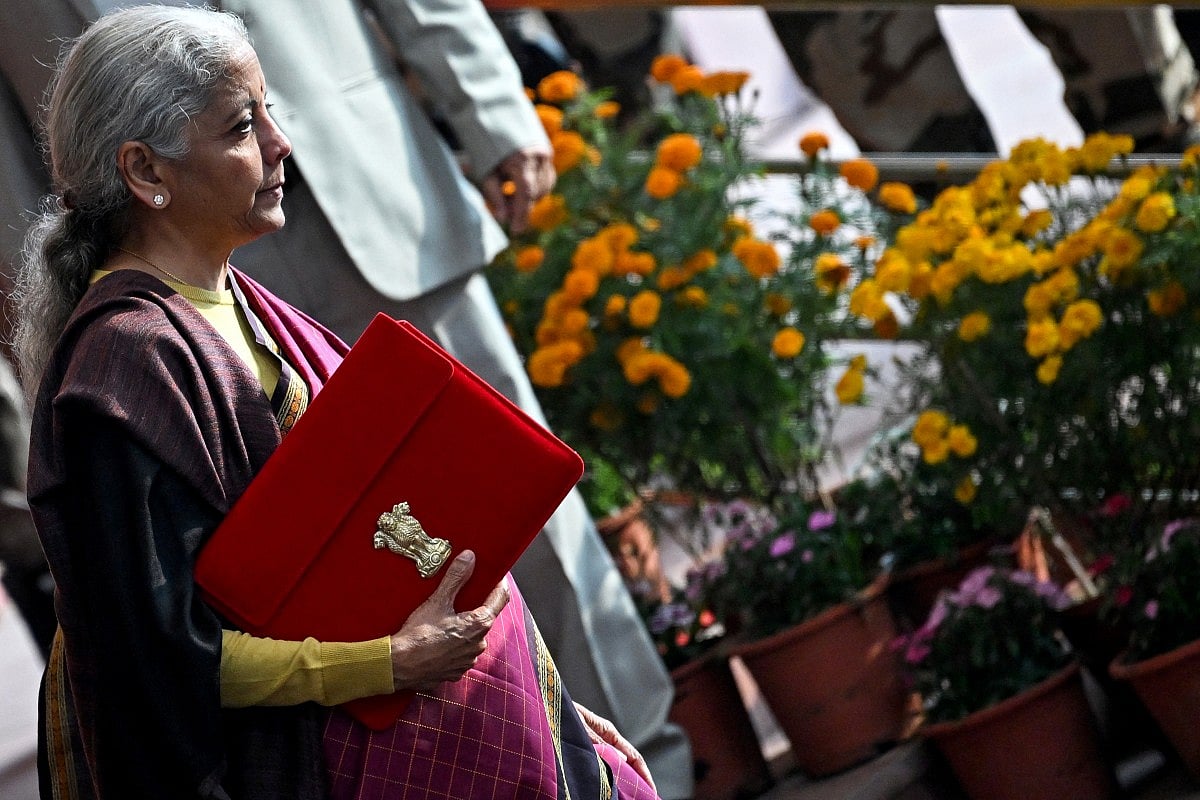
Dubai: Finance Minister Nirmala Sitharaman presented her ninth consecutive Union Budget on February 1, outlining targeted steps to sustain economic growth amid global uncertainty.
The Budget focuses on manufacturing, infrastructure, strategic sectors, and long-term stability, while reinforcing the government’s reform-led approach.
1. 6 focus areas
The government identified six priority areas to accelerate and sustain economic growth:
Scaling up manufacturing in strategic and frontier sectors
Reviving legacy industrial sectors
Creating globally competitive MSMEs
Strengthening infrastructure
Ensuring long-term economic security and stability
Developing city-based economic regions
These interventions aim to strengthen India’s economic foundation and support long-term expansion. The government also said it will focus on developing city economic regions, especially in tier-2 and tier-3 cities, positioning them as new growth engines.
2. Manufacturing push
Manufacturing received strong emphasis, particularly in seven strategic and frontier sectors. The government also announced support for rare earth corridors in Odisha, Kerala, Andhra Pradesh, and Tamil Nadu to reduce import dependence and secure critical mineral supply chains.
3. Rs100b Biopharma growth
A Bio Pharma Shakti programme was launched with an allocation of Rs 10,000 crore (Rs100 billion) over five years to position India as a global hub for biopharma and biosimilars, strengthening domestic capabilities in high-value healthcare manufacturing.
4. Expenditure raised to Rs12.2tr
Capital expenditure for FY 2026-27 was increased by about 9% to Rs12.2 lakh crore, reinforcing the government’s infrastructure-led growth strategy. Public capex has risen sharply from Rs 2 lakh crore in 2014-15, reflecting sustained focus on asset creation.
5. New infrastructure risk guarantee
To boost private participation in infrastructure projects, the government proposed an infrastructure risk guarantee fund, offering partial credit guarantees to lenders and reducing risks during construction and development phases.
6. Strong support for MSMEs
The Budget emphasised the creation of “champion MSMEs”, recognising their role in employment generation, regional development, and economic stability.
7. Semiconductor Mission 2.0
Building on earlier progress, Semiconductor Mission 2.0 will focus on producing equipment and materials, developing Indian intellectual property, and strengthening electronics supply chains. An additional Rs 40,000 crore was allocated for electronics component manufacturing.
8. 5 regional medical hubs
The Finance Minister proposed setting up five regional medical hubs across India to promote medical value tourism. These hubs will include Ayush centres, diagnostic facilities, and post-care rehabilitation services, while also creating new job opportunities in the healthcare sector. In addition, three new All India Institutes of Ayurveda will be established to strengthen traditional medicine and research.
9. Coconut, cashew, cocoa push
A Coconut Promotion Scheme will focus on increasing production and productivity, including replacing non-productive trees with high-yielding varieties in major coconut-growing states. The government also announced a dedicated programme for cashew and cocoa, aimed at making India self-reliant in raw production and processing, improving export competitiveness, and positioning Indian cashew and cocoa as premium global brands by 2030.
10. Sandalwood processing
Recognising the cultural and economic importance of sandalwood, the government will work with state governments to promote focused cultivation and post-harvest processing, helping restore India’s sandalwood ecosystem.
11. Sports goods manufacturing
The Budget proposes a dedicated initiative to promote high-quality sports goods manufacturing, research, and innovation in design and material sciences. India aims to become a global hub for affordable, high-quality sports equipment.
12. Revival of legacy industries
To strengthen traditional industries, a scheme will be launched to revive 200 legacy industrial clusters. This will improve cost competitiveness and efficiency through infrastructure upgrades and technology adoption, helping sustain jobs and regional growth.
Bottomline: Stable growth seen
The Economic Survey projects GDP growth of 6.8–7.2% for 2026-27, while average inflation between April and December 2025 stood at 1.7%, the lowest since the CPI series began.
Reaffirming commitment to reforms, Sitharaman said the government will continue balancing ambition with inclusion, prioritising fiscal discipline, public investment, and self-reliance as India advances towards long-term development goals.

Sign up for the Daily Briefing
Get the latest news and updates straight to your inbox
Network Links
GN StoreDownload our app
© Al Nisr Publishing LLC 2026. All rights reserved.