India approves its first dengue vaccine
Takeda’s two-dose Qdenga jab cleared for people aged 4-60 amid rising infections
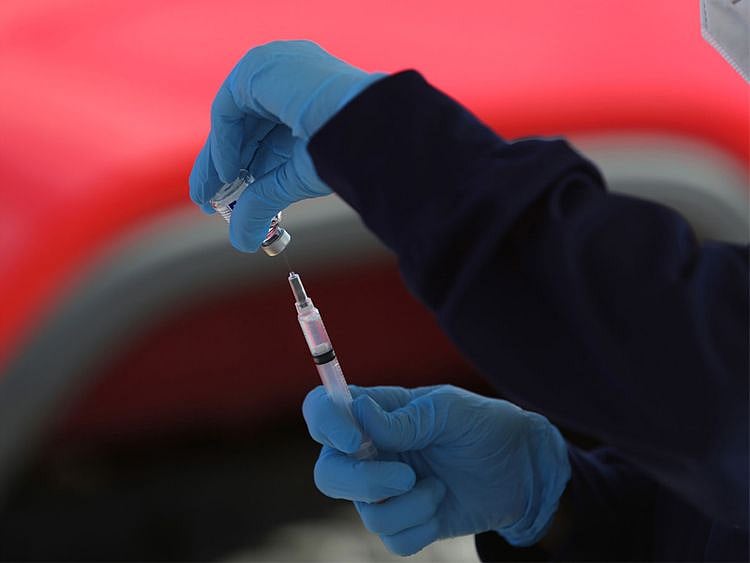
New Delhi: India has approved its first vaccine to prevent dengue, clearing Japanese pharmaceutical company Takeda’s Qdenga for use in people aged between four and 60 years as the country seeks to strengthen its response to one of the world’s fastest-growing mosquito-borne diseases.
The Central Drugs Standard Control Organisation (CDSCO), India’s drug regulator, granted marketing authorisation for the vaccine after reviewing its quality, safety and efficacy, the Ministry of Health and Family Welfare said on Tuesday.
The approval allows Takeda Biopharmaceuticals India Pvt. Ltd. to import and market the vaccine in the country.
Qdenga is designed to protect against all four known dengue virus serotypes and is administered as two 0.5 ml injections given three months apart. The vaccine is produced using recombinant DNA technology and is supplied as a freeze-dried powder for reconstitution before being administered as a subcutaneous injection.
The health ministry said the approval was supported by extensive clinical data from studies conducted in more than eight countries, including Brazil, Thailand and Sri Lanka, as well as a pivotal Phase III clinical trial carried out in India involving participants aged four to 60 years.
What is dengue?
A mosquito-borne viral disease spread primarily by the bite of infected Aedes aegypti mosquitoes.
Caused by four related virus types (called serotypes), meaning a person can be infected more than once.
Common symptoms include high fever, severe headache, pain behind the eyes, muscle and joint pain, nausea, vomiting and skin rash.
Known as “breakbone fever” because it can cause intense muscle and joint pain.
Severe dengue can lead to internal bleeding, organ damage, shock and can be fatal without prompt medical treatment.
No specific antiviral treatment exists; care focuses on relieving symptoms, staying hydrated and monitoring for complications.
Prevention relies on avoiding mosquito bites and eliminating standing water where mosquitoes breed. Vaccination is now an additional tool in countries where it is approved.
A growing global health threat: The World Health Organisation estimates 100-400 million infections occur worldwide each year, with nearly half the world’s population at risk.
Approved in 42 countries
The vaccine has already been approved in 42 countries, including the European Union, the United Kingdom, Switzerland, Indonesia, Malaysia and Thailand, and has received World Health Organisation (WHO) prequalification.
According to the ministry, more than 24 million doses have been distributed globally, with post-marketing surveillance showing no major safety concerns.
Officials said the vaccine would complement existing dengue control efforts rather than replace them.
“Vaccination is intended to strengthen existing measures such as vector control, disease surveillance, early diagnosis and case management,” the ministry said, adding that eliminating mosquito breeding sites and adopting personal protective measures would remain central to preventing infections.
Growing public health threat
Dengue has spread rapidly across many parts of the world in recent decades, driven by urbanisation, climate change and changing weather patterns that have expanded the habitat of disease-carrying mosquitoes.
The World Health Organisation estimates that nearly half of the global population is now at risk of dengue infection, with between 100 million and 400 million cases occurring every year.
India has been among the countries hardest hit. Official figures show the country has recorded more than one million dengue cases and at least 1,500 deaths since 2021.
India could soon have a domestically developed dengue vaccine as well. Panacea Biotec’s vaccine candidate, DengiAll, has entered the final phase of clinical trials and, if approved, is expected to become one of the world’s first single-dose dengue vaccines.
The government said the approval of Qdenga reflects its commitment to providing timely access to safe and effective vaccines through a science-based regulatory framework.
With inputs from AFP and IANS

Sign up for the Daily Briefing
Get the latest news and updates straight to your inbox
Network Links
GN StoreDownload our app
© Al Nisr Publishing LLC 2026. All rights reserved.