What happens next in Cuba - and could the US intervene?
Trump’s escalating rhetoric has raised fears of sanctions, unrest and even military action
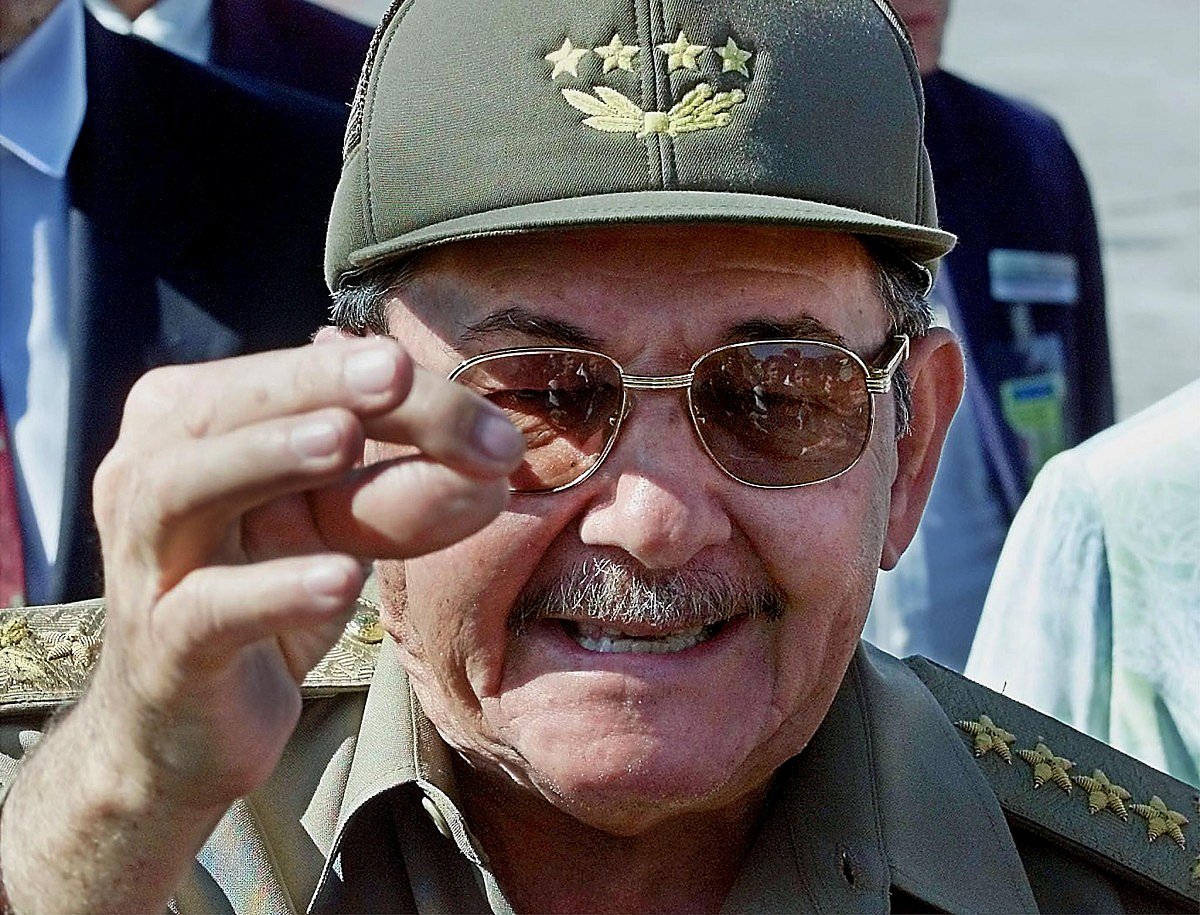
The United States’ indictment of former Cuban leader Raul Castro has pushed the long-running tensions between Washington and Havana into dangerous new territory, raising a question many thought belonged to the Cold War era: could the US actually intervene in Cuba?
The immediate crisis was triggered this week when US prosecutors charged Castro over the 1996 downing of two civilian aircraft flown by anti-Castro exiles. But the indictment is being viewed as far more than a legal move. Combined with fresh sanctions, an oil blockade, mounting economic collapse inside Cuba and increasingly aggressive rhetoric from President Donald Trump, many analysts now see it as part of a broader strategy to force political change in Havana.
Trump himself added to those fears on Thursday.
“Other presidents have looked at this for 50, 60 years, doing something,” he told reporters. “It looks like I’ll be the one that does it.”
US Secretary of State Marco Rubio, while insisting Washington still preferred a peaceful settlement, admitted he was doubtful diplomacy would succeed with Cuba’s current leadership. “The likelihood of that happening… is not high,” Rubio said.
So what could happen next?
Scenario 1: Intensified pressure without invasion
The most immediate and likely scenario is a further escalation of economic and political pressure designed to weaken Cuba’s communist government without direct military action.
The Trump administration has already imposed a severe energy blockade that has sharply reduced fuel supplies to the island, contributing to rolling blackouts, food shortages and economic collapse.
Additional sanctions announced this month targeted Cuba’s military-linked business conglomerate GAESA, while US officials have increasingly framed Havana as a national security threat because of its ties with China, Russia and leftist governments in Latin America.
According to the BBC, analysts believe Washington may be trying to increase internal pressure until either reforms are forced or the government becomes politically unstable.
This strategy mirrors past US pressure campaigns against Venezuela.
Scenario 2: Negotiated reforms
Despite the aggressive rhetoric, both Trump and Rubio have repeatedly said they still prefer a negotiated solution.
Rubio confirmed that senior US officials — including CIA Director John Ratcliffe — have held talks with Cuban officials in recent months exploring possible improvements in relations.
Washington’s demands appear to include opening Cuba’s economy to greater American investment and distancing Havana from US adversaries such as China and Russia.
The BBC noted that Cuba has historically resisted major externally imposed political reforms, especially when pressure from Washington intensifies. However, the island’s worsening economic crisis could increase pressure internally for at least limited economic concessions.
Still, analysts say this scenario currently appears difficult because both sides deeply distrust one another.
Scenario 3: Internal unrest or regime instability
Another possibility is that worsening economic conditions trigger wider unrest inside Cuba itself.
The country is already enduring severe electricity shortages, inflation, food scarcity and collapsing public services. Many Cubans are facing daily blackouts lasting up to 20 hours.
The Cuban government blames US sanctions and blockades for the suffering. But prolonged hardship could test public patience further, particularly among younger Cubans already frustrated by declining living conditions.
The BBC reported that previous anti-government protests in Cuba demonstrated growing public frustration, even though the state retained strong security control.
A prolonged economic breakdown could eventually weaken the government’s grip or increase internal fractures within the ruling elite.
Scenario 4: Limited military action
The most alarming — though still less likely — scenario is some form of direct US military action.
The fears are not purely theoretical.
Earlier this year, the US captured former Venezuelan president Nicolás Maduro after earlier criminal indictments were used as part of a broader justification for intervention. Many observers now believe the Castro indictment follows a similar pattern.
The arrival of the USS Nimitz aircraft carrier group in the Caribbean this week further fuelled speculation, although the US military said the deployment was linked to existing regional exercises.
China has strongly opposed Washington’s actions, accusing the US of “brandishing the judicial stick” against Cuba and warning against external interference.
Analysts quoted by the BBC warned that any military escalation would carry enormous geopolitical risks, especially given Cuba’s symbolic importance in Latin America and its close ties with rival powers.
Why this matters globally
For decades, Cuba represented one of the defining fault lines between the United States and the communist world.
Many believed that confrontation had eased after former US president Barack Obama restored diplomatic ties with Havana in 2014. But Trump’s second presidency has sharply reversed that direction.
Now, with economic collapse deepening inside Cuba and Washington openly discussing regime change once again, the island is rapidly becoming one of the world’s most volatile geopolitical flashpoints.
What happens next may depend on whether pressure forces compromise — or whether both sides continue moving toward confrontation.
Sign up for the Daily Briefing
Get the latest news and updates straight to your inbox
Network Links
GN StoreDownload our app
© Al Nisr Publishing LLC 2026. All rights reserved.