US plans major NATO drawdown as Trump shifts focus from Europe
Proposed cuts to fighter jets, warships and surveillance assets could test Europe
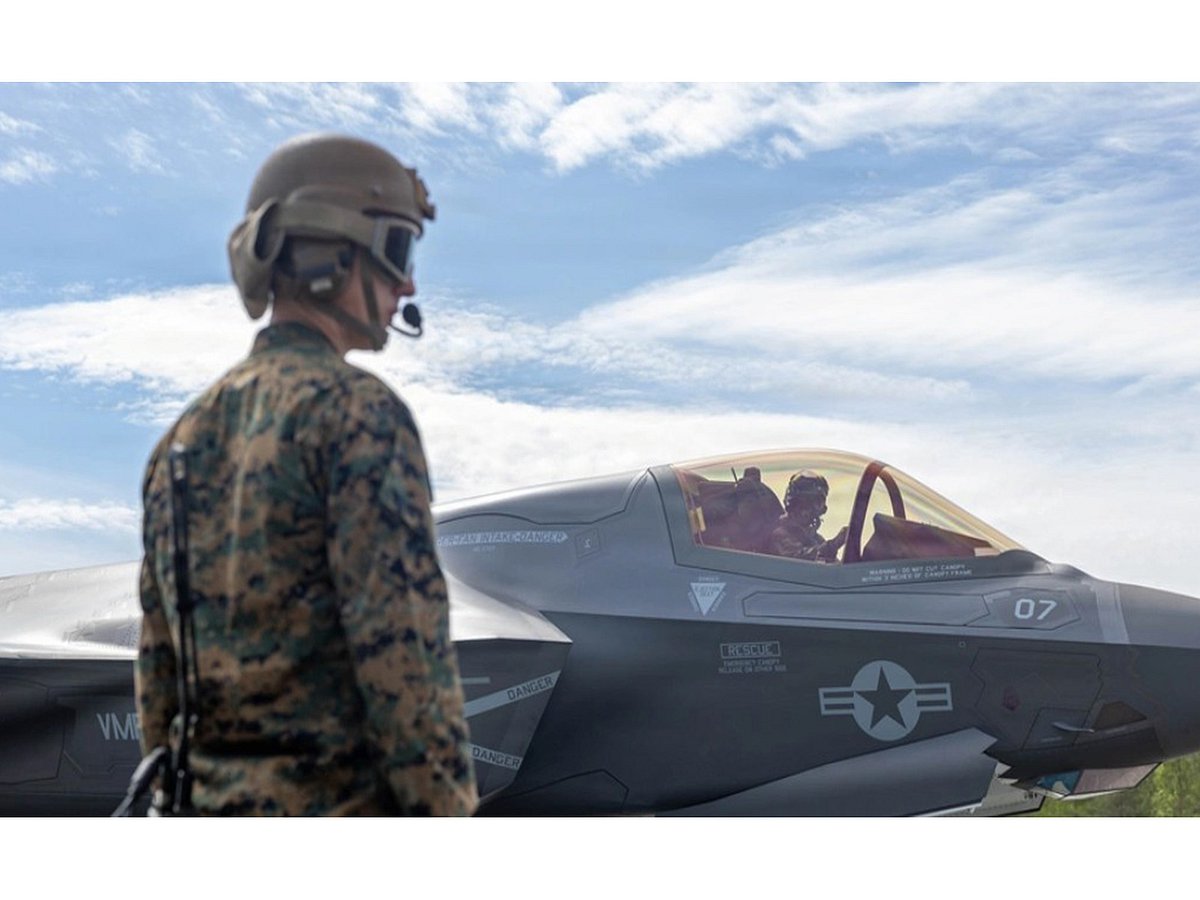
The United States is planning a significant reduction in the military assets it makes available for NATO operations in Europe, a move that could reshape the alliance’s defence posture and accelerate Washington’s push for European countries to shoulder more of their own security burden.
According to a report by The New York Times, senior European officials were informed earlier this month that the Trump administration intends to cut back a range of aircraft, naval and surveillance assets currently assigned to NATO missions.
The proposed reductions would affect fighter aircraft, maritime surveillance capabilities, refuelling tankers, naval forces and bomber deployments, potentially limiting NATO’s ability to monitor Russian activity and conduct long-range operations.
The Pentagon has not publicly confirmed the details but has indicated in recent weeks that it is reassessing America’s military commitments in Europe as part of a broader strategic shift.
What would be cut?
According to the report, the United States plans to reduce the number of F-16 and F-15E fighter aircraft assigned to NATO operations from about 150 to 100.
Maritime reconnaissance aircraft would be reduced from 26 to 15, while all eight aerial refuelling tankers currently allocated to European operations would be withdrawn.
The plans also call for the reassignment of a missile-carrying submarine, an aircraft carrier and accompanying warships, as well as one of two bomber groups previously available for European defence missions.
The reductions were outlined in a document shared with allies earlier this month, The New York Times reported, citing senior European officials familiar with the discussions.
A major shift in US policy
If implemented, the drawdown would represent one of the most significant changes to America’s military posture in Europe since the end of the Cold War.
President Donald Trump has long argued that European nations rely too heavily on the United States for their defence and has repeatedly called on NATO members to increase military spending and capabilities.
His administration has previously announced smaller troop and asset reductions in individual countries. However, the latest plans would affect NATO’s broader military structure across Europe.
US military officials have increasingly emphasised the need to redirect resources to other strategic priorities, particularly in the Indo-Pacific region.
“There has been an unhealthy codependence in the NATO Force Model on US forces,” General Alexus Grynkewich, head of US European Command and NATO’s top military commander, said earlier this month.
He added that changing global security challenges required a rebalancing of military commitments.
Concerns in Europe
The proposed cuts come at a sensitive time for Europe, where concerns about Russian attacks remain high more than four years after Moscow’s full-scale attack of Ukraine.
European officials fear that a smaller American military footprint could weaken NATO’s deterrent capabilities, particularly in areas such as intelligence gathering, maritime surveillance and long-range strike operations.
While many European countries possess similar capabilities, analysts note that US military assets carry greater weight because of Washington’s unmatched military reach and its central role within the alliance.
Giuseppe Spatafora of the European Union Institute for Security Studies told The New York Times that while individual reductions could be managed, the cumulative effect represented a substantial change.
“Together they represent a significant posture change and pose challenges to European deterrence readiness across the spectrum,” he said.
The concern extends beyond the number of aircraft or ships being removed.
For some European policymakers, the deeper issue is whether Washington would be willing to deploy its remaining forces in a future crisis.
“NATO’s main problem is that, as long as Trump is president, there is no longer any faith that the US would come to the Europeans’ aid in the event of an emergency,” German lawmaker Anton Hofreiter told the newspaper.
Europe under pressure to rearm
The planned drawdown comes as European governments are already increasing defence spending and seeking to strengthen military capabilities.
Russia’s attack of Ukraine prompted many countries to reassess their security strategies, while repeated Russian drone incursions near NATO territory have heightened concerns about regional stability.
The reduction in US support is expected to intensify pressure on European governments to accelerate military modernisation efforts and improve coordination among allied forces.
Sign up for the Daily Briefing
Get the latest news and updates straight to your inbox
Network Links
GN StoreDownload our app
© Al Nisr Publishing LLC 2026. All rights reserved.