US imposes sweeping sanctions on ICC in bid to cripple tribunal: What to know
Trump administration targets ICC, calling prosecutions unlawful and political
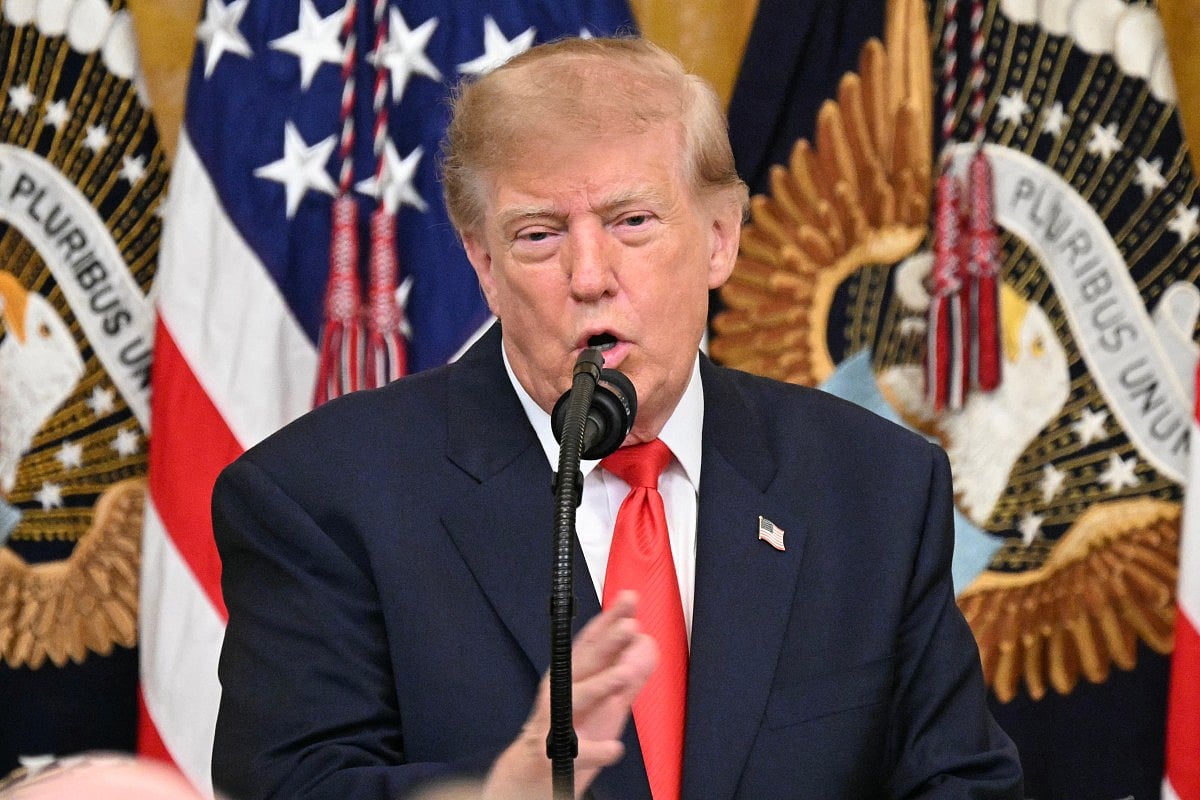
The Trump administration has imposed sweeping sanctions on the International Criminal Court (ICC), saying it wants to restrict the tribunal’s resources and ability to operate.
US Secretary of State Marco Rubio said the measures, which include restrictions on transactions between US entities and the ICC, were intended to defend US sovereignty. He accused the court of seeking to prosecute Americans unlawfully.
The ICC condemned the move as an assault on the rule of law and the foundations of the international legal order.
The sanctions target the court as an institution, going beyond previous US measures against individual ICC officials. They could affect its access to banking, insurance, credit card services and technology supplied by US companies.
Get updated faster and for FREE: Download the Gulf News app now - simply click here.
What the US sanctions mean for the ICC
The measures block any assets the ICC holds in US jurisdictions and give US companies and individuals six months to wind down business with the court.
The restrictions could disrupt the tribunal’s ability to pay staff, conduct investigations abroad, protect witnesses and operate its detention facilities.
ICC officials have also raised concerns about the court’s reliance on US technology, including Microsoft products and related systems.
Acting chief prosecutor Mame Mandiaye Niang told AFP that the court was seeking alternatives to maintain its independence and continue its work.
“This is a test of our resilience,” Niang said.
ICC condemns move as attack on rule of law
The ICC said the sanctions were an attempt to obstruct justice and prevent it from carrying out its mandate.
ICC President Tomoko Akane said the court would continue to work independently and impartially, based on the law and evidence, in the interests of victims of serious crimes.
She urged member states to support the tribunal, saying the issue was about safeguarding the international order based on the rule of law.
Rubio, meanwhile, warned that Washington would continue its campaign to dismantle the court “piece by piece” if US allies did not support the measures.
“Either the ICC will end its threats, or we will end the ICC,” he said.
Why is the US targeting the ICC?
The United States has long opposed the ICC’s authority over its citizens and is not a party to the Rome Statute, the treaty that established the court.
The Trump administration has particularly criticised the ICC over its arrest warrant for Israeli Prime Minister Benjamin Netanyahu over alleged crimes in Gaza. Washington is also concerned that the court’s investigation into Afghanistan could lead to accusations against US personnel.
The ICC prosecutes individuals accused of genocide, war crimes and crimes against humanity, as well as the crime of aggression, under specific jurisdictional conditions.
Its principle of complementarity means it generally steps in when national authorities are unwilling or unable genuinely to investigate or prosecute relevant crimes.
What can the Netherlands and Europe do?
The ICC is based in The Hague, and the Netherlands has specific obligations to protect the court’s facilities and staff and help ensure it can operate.
Dutch Foreign Minister Tom Berendsen called the US sanctions “a deeply regrettable step” and reaffirmed his country’s support for the tribunal. He said the six-month period before the restrictions take effect offered scope for dialogue.
European governments could also consider using the European Union’s blocking mechanism, which can prohibit European companies from complying with certain foreign sanctions.
Berendsen said the Netherlands had asked Brussels to prepare the measure, although deploying it would be a significant step in the dispute with Washington.
Network Links
GN StoreDownload our app
© Al Nisr Publishing LLC 2026. All rights reserved.