Dells unleash $6.25b to supercharge 25m child savings accounts
Gift funnels $250 into millions of investment accounts ahead of the 2026 launch
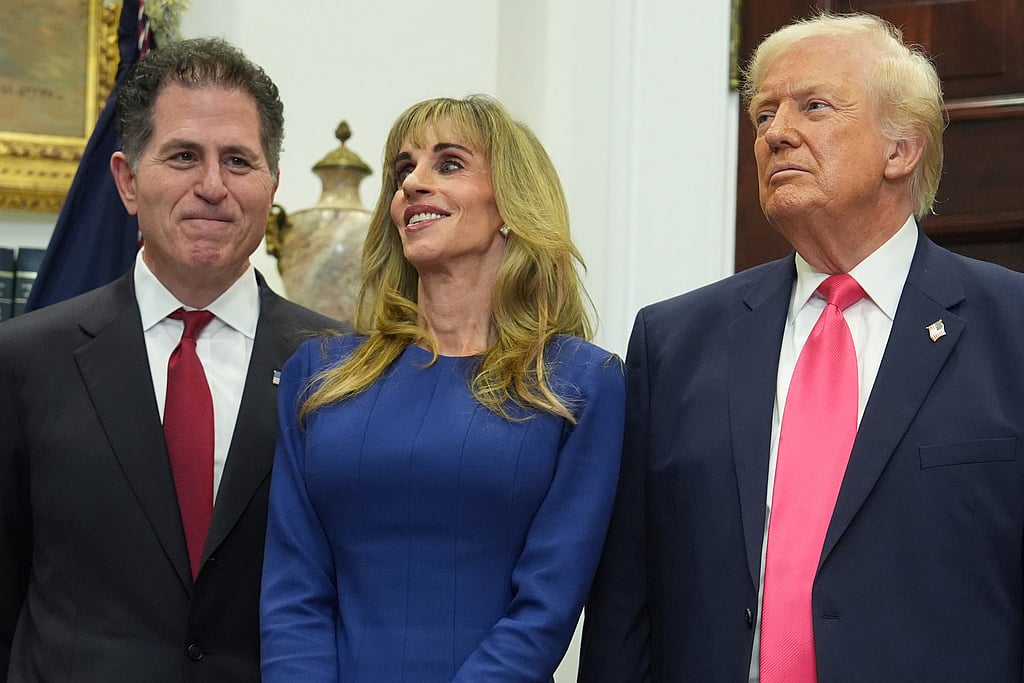
Twenty-five million American children will soon see money appear in their investment accounts thanks to an extraordinary $6.25 billion pledge from Michael and Susan Dell — a gift the couple says is meant to give young Americans “a future worth saving for.”
The Dells are using their wealth to jump-start the new federal “Trump Accounts” programme, hoping early savings will help close wealth gaps and give every child under 11 a small but meaningful stake in the country’s economic future.
The scale of the pledge is unprecedented. Announced on GivingTuesday, it ranks among the largest private commitments to US children in modern philanthropy, with few single donations in the past 25 years surpassing $1 billion.
Tapping into the ‘Trump Accounts’ infrastructure
The gift relies on the new “Trump Accounts” system created under President Donald Trump’s tax-and-spending legislation. Under the law, the US Treasury will create investment accounts for all American children born between January 1, 2025, and December 31, 2028, automatically depositing $1,000 into each account.
Children can later make additional contributions, which must be invested in a stock-market index fund. Once they turn 18, they can withdraw the funds for education, buying a home, or starting a business.
Although the legislation passed in July, the accounts will not launch until July 4, 2026 — a date chosen, the Dells say, to coincide with the 250th anniversary of US independence. “We want these kids to know that not only do their families care, but their communities, their government, their country cares about them,” Susan Dell told the Associated Press.
Where the Dell money will go
The Dells’ $6.25 billion contribution will be directed to children 10 and under who live in ZIP codes with median family incomes of $150,000 or less and who will not receive the federal $1,000 seed deposit. Each child in that group will receive $250 from the Dells.
Under federal rules, donors can target contributions by geography. The couple said ZIP codes offered the simplest way to reach “the greatest number of children who would benefit most.”
Their hope, they added, is that families will continue to contribute to the accounts — even modestly — so that savings can grow over time along with the stock market.
Political implications and praise
The timing of the rollout also carries political consequences. The federal deposits will begin just before the 2026 midterm elections, giving Trump and Republican candidates a highly visible programme to promote. The $1,000 seed deposits end shortly after the 2028 presidential election.
At the White House on Tuesday, Trump hailed the Dells’ pledge as “one of the most generous acts in the history of our country” and predicted more donors would follow. “I’ll be doing it, too,” he added.
Brad Gerstner, the venture capitalist who pushed for the legislation, said the accounts are designed to give all children a stake in the economy. “It’s hard to give effective dollars away at scale, particularly to the country’s neediest kids, in a way you can trust will compound with the upside of the U.S. economy,” he said. Without wider participation in wealth creation, he added, “the American experiment won’t last.”
Support — and scepticism — from experts
Experts say the accounts could help reduce long-term wealth disparities. Only 58% of American households held stocks or bonds in 2022, and the richest 1% owned nearly half of all US stock value. Meanwhile, around 13% of children lived in poverty in 2024, according to the Annie E. Casey Foundation.
But critics note that while investment accounts may help future young adults build assets, they do little to alleviate immediate child poverty — especially as the same legislation includes cuts to Medicaid, food stamps, and childcare support.
Ray Boshara of the Aspen Institute and Washington University said the concept has long-term potential if strengthened over time. Major programmes like Social Security and the Affordable Care Act, he noted, began imperfectly but grew more progressive and inclusive. “This is a down payment on a big idea,” he said, adding that there is bipartisan interest in improving it.
A growing philanthropic focus
Through their foundation, the Dells have already donated $2.9 billion since 1999, much of it focused on education. Michael Dell said they did not initially plan to contribute at this scale, but Susan Dell said the ambition grew.
“We’re thrilled to be spearheading this in the philanthropy sector,” she said. “We can’t think of a better way to help America’s children — and we know more people will join us.”
- with inputs from AP

Sign up for the Daily Briefing
Get the latest news and updates straight to your inbox
Network Links
GN StoreDownload our app
© Al Nisr Publishing LLC 2026. All rights reserved.