Construction began in 1994, and after five years of meticulous engineering and design, the hotel was officially inaugurated on December 1, 1999.
Burj Al Arab’s incredible history — from ambitious Dubai project to international icon
Dubai’s sail-shaped landmark hotel will be restored in phases while preserving heritage
Last updated:
2 MIN READ
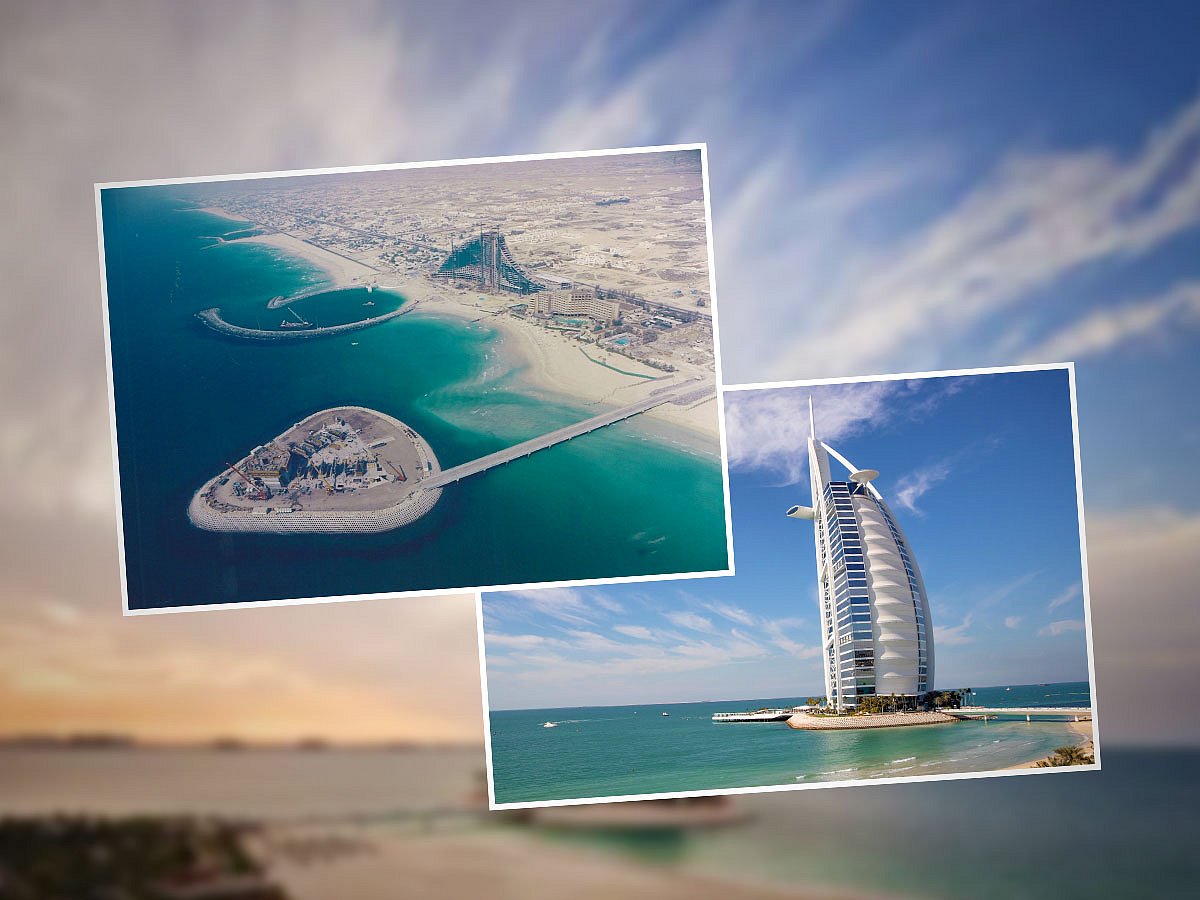
The Jumeirah Burj Al Arab is an enduring icon of Dubai, symbolizing the city’s pride, ambition, and architectural brilliance. Rising 321 meters above the sea on an artificial island just off Jumeirah Beach, it has become a global emblem of luxury and innovation.
Gulf News archives
Dubai’s most recognisable hotel, Jumeirah Burj Al Arab, is preparing to undergo its first major restoration since opening in 1999, marking a new chapter in the landmark’s history.
Owned by Jumeirah Group, a subsidiary of Dubai Holding, the hotel said the project is designed to preserve one of the emirate’s most iconic symbols for future generations, while maintaining its global reputation for luxury. The phased restoration, expected to last around 18 months, will focus on enhancing interiors and safeguarding the building’s distinctive character.
1/15
2/15
1996: Burj Al Arab Hotel under construction in Dubai. Since its inception, the Burj Al Arab has evolved significantly—both in design and in its world-class experiences.
3/15
1997: The construction of the base island took almost three years to complete, as it was specially designed to reduce the impact of waves and solidify the foundation.
4/15
1998: Construction of the Burj Al Arab was in full swing, with its sail-like form beginning to rise dramatically above the coastline. Nearby, the Jumeirah Beach Hotel—already an architectural landmark in its own right—stood in sharp contrast to the emerging icon.
5/15
On December 1, 1999, the Burj Al Arab was officially inaugurated.
6/15
Residents enjoy the sun and sea on Jumeirah Public Beach, with the towering silhouette of the Burj Al Arab rising in the background. The beach, a popular spot for locals and visitors alike, offers a unique contrast between everyday coastal life and one of Dubai’s most iconic symbols of luxury and ambition.
7/15
The interior of the Burj Al Arab is a masterpiece of opulence and imagination, designed to astonish and indulge. From the moment guests step inside, they are immersed in a world of vibrant colour palettes, rich textures, and grand architectural gestures that echo the cultural heritage of the Middle East while embracing modern luxury.
8/15
In 2005, the helipad captured global attention when tennis icons Roger Federer and Andre Agassi played an exhibition match atop the hotel—creating one of the most iconic sports visuals of the 21st century—just ahead of the Dubai Duty-Free Tennis Championships.
9/15
The iconic Burj Al Arab stands proudly along Dubai’s coastline, with the majestic Palm Jumeirah visible in the distance. This striking composition captures the city’s bold architectural vision and luxury-driven skyline.
10/15
Architect Tom Wright had the 321-metre structure rise into the sky on an island, creating the illusion of a yacht at sea.
11/15
2016: The Burj Al Arab stands proudly against the backdrop of the dynamic Dubai skyline, with the iconic Burj Khalifa towering in the distance, symbolizing the city’s remarkable journey from traditional roots to modern marvels.
12/15
2019: The Burj Al Arab becomes even more spectacular when illuminated by dazzling fireworks displays, particularly during special events like New Year’s Eve.
13/15
2024: During a spectacular New Year’s Eve celebration, Jumeirah Burj Al Arab ushered in 2024 by setting a new world record for the first 360-degree drone show around a single building. The show featured 1,500 drones that created a 300-metre-long Chinese dragon circling the iconic hotel.
14/15
The Burj Al Arab stands proudly against the backdrop of the Dubai skyline.
15/15
In 2025, the Jumeirah Marsa Al Arab Resort officially opened to international travellers and UAE residents, completing Jumeirah Group’s iconic beachfront trilogy. Located near the Burj Al Arab, the new resort blends contemporary elegance with coastal charm, offering a fresh take on luxury living along Dubai’s celebrated shoreline. With the Burj Al Arab as its stunning neighbour, Jumeirah Marsa Al Arab adds a bold new chapter to the city’s world-class hospitality landscape.
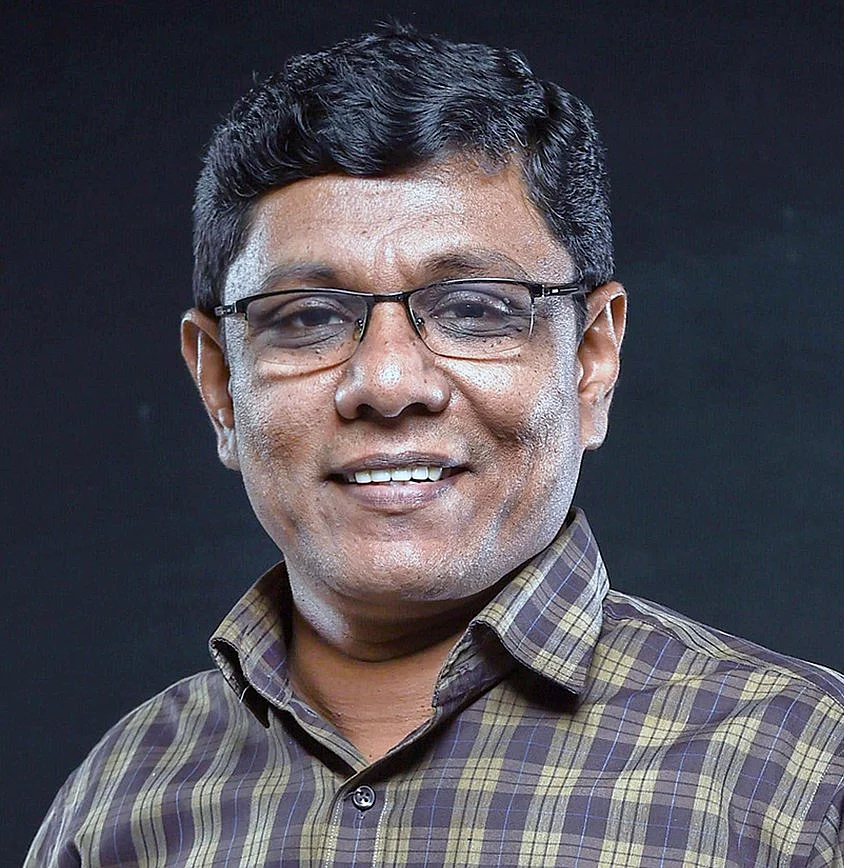
Devadasan K P is the Chief Visual Editor at Gulf News, bringing more than 26 years of experience in photojournalism to the role. He leads the Visual desk with precision, speed, and a strong editorial instinct. Whether he’s selecting images of royalty, chasing the biggest celebrity moments in Dubai, or covering live events himself, Devadasan is always a few steps ahead of the action. Over the years, he has covered a wide range of major assignments — including the 2004 tsunami in Sri Lanka, the 2005 Kashmir earthquake, feature reportage from Afghanistan, the IMF World Bank meetings, and wildlife series from Kenya. His work has been widely recognised with industry accolades, including the Minolta Photojournalist of the Year award in 2005, the Best Picture Award at the Dubai Shopping Festival in 2008, and a Silver Award from the Society for News Design in 2011. He handles the newsroom pressure with a calm attitude, a quick response time, and his signature brand of good-natured Malayali humour. There's no fuss — just someone who gets the job done very well, every single time.
Sign up for the Daily Briefing
Get the latest news and updates straight to your inbox
Network Links
GN StoreAbout Gulf NewsTerms & ConditionsReach by GNSitemapContact usPrivacy PolicyGN FocusHave your sayWork with usAdvertise with usGulf News epaperPrinting Services
Download our app
© Al Nisr Publishing LLC 2026. All rights reserved.