What UAE residents need to know today, October 22: King Fahd airport attack, Hormuz tensions and travel disruptions
Hormuz tensions rise as Iran warns of strikes on US bases in the Middle East
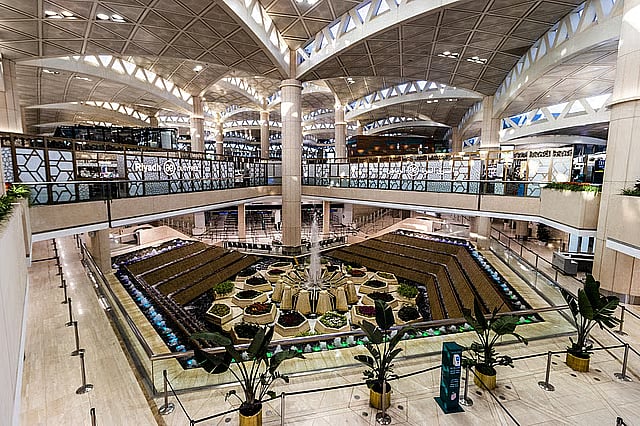
From the Houthi attack on King Fahd International Airport to fresh Iranian threats over the Strait of Hormuz, it has been a tense day across the region. Here’s a quick look at the key developments and what they mean for UAE residents.
UAE stands with Saudi Arabia
The UAE’s Ministry of Foreign Affairs condemned Wednesday night’s Houthi attack on King Fahd International Airport in Dammam in the strongest terms, calling it a flagrant violation of Saudi Arabia’s sovereignty and a threat to its security and stability. The ministry reaffirmed the UAE’s full solidarity with the Kingdom, expressed its condolences to the families of the victims and wished the injured a speedy recovery.
Two people were killed in the attack, a Saudi citizen and an Indian resident, while eight others were injured, including residents from India, Yemen, Bangladesh and Nepal. The Indian Embassy in Riyadh confirmed that one Indian national had died and two others were hurt, and said it was in contact with the affected families. The airport has since resumed operations, and air traffic has returned to normal, according to Saudi Arabia’s General Authority of Civil Aviation.
More drones intercepted, Aramco staff sent home
Saudi Arabia said on Thursday it had intercepted and destroyed four drones in the regions of Riyadh and Medina, as the Houthis keep up near-daily attacks on the Kingdom.
Separately, essential staff at Saudi Aramco’s headquarters in Dhahran were told to leave the site and work from home until further notice, sources told AFP. Most employees had already been working remotely since the Houthis struck the facility last week.
Hormuz tensions escalate
Iran’s Revolutionary Guards on Thursday warned they would strike US bases across the Middle East if the American military continues escorting ships through the Strait of Hormuz, calling it a serious warning. Iran claims control over the strait, through which a fifth of the world’s oil supplies passed before the war began in February.
Despite the disruption, oil exports from the region have risen to more than 24 million barrels a day, according to energy intelligence firm Kpler, as the UAE and Saudi Arabia move more crude through pipelines that bypass the strait. However, the International Energy Agency notes that shipping, insurance and freight costs have climbed sharply.
Meanwhile, an adviser to Iran’s parliament speaker warned that the risk of direct confrontation between Iran and Israel had noticeably increased.
Diplomatic push continues
On the diplomatic front, Iran’s Foreign Minister Abbas Araghchi said Tehran remains open to talks if Washington shows willingness to build trust, while US Secretary of State Marco Rubio said mediation efforts were welcome.
Egypt has called for all avenues to be explored to reach a political solution between Saudi Arabia and the Houthis. Foreign ministers from Britain, France and Germany will meet their counterparts from Turkey, Saudi Arabia, Pakistan and Egypt in Istanbul on Friday to discuss Yemen, the Strait of Hormuz and other regional issues.
Travelling to Saudi Arabia? Check before you fly
Residents with travel plans to Saudi Arabia should check flight status with their airline before heading to the airport. King Fahd International Airport in Dammam has resumed operations following Wednesday night’s attack, with Saudi Arabia’s General Authority of Civil Aviation confirming that air traffic has returned to normal.
In Riyadh, however, the situation remains limited. King Khalid International Airport, which shut on October 10 after being hit several times this month, has only partially reopened, with a limited number of Saudia and Flynas flights operating with prior permission. Major international carriers, including Lufthansa and Air France, have cancelled flights to the Saudi capital until mid-November.
Network Links
GN StoreDownload our app
© Al Nisr Publishing LLC 2026. All rights reserved.