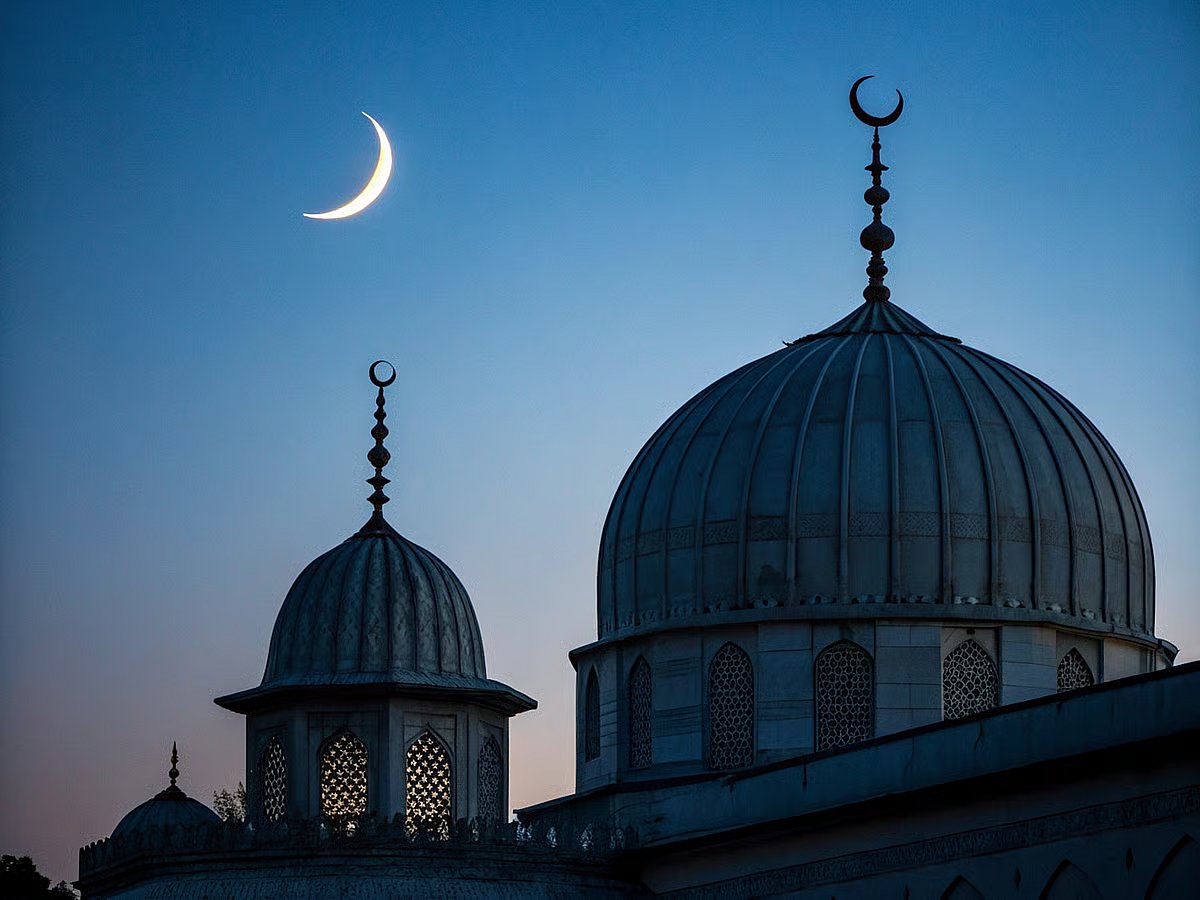
Dubai: Ramadan never falls on the same date twice. Unlike Christmas or New Year's Day, the holy month follows the Islamic lunar calendar rather than the Gregorian one, moving about 10 to 11 days earlier each year. That means Muslims experience fasting in every season across a cycle of roughly 33 years.
With the last Ramadan having ended in March, attention now turns to the next one. Astronomical calculations indicate Ramadan 2027 is expected to begin on Monday, February 8, subject to the official sighting of the crescent moon.
Get updated faster and for FREE: Download the Gulf News app now - simply click here.
The lunar-based Islamic calendar consists of 12 months and is around 354 days long, about 11 days shorter than the solar Gregorian year. As a result, Ramadan gradually moves backwards through the calendar, falling in winter, spring, summer and autumn over successive years.
The final start date is confirmed only after religious authorities in each country observe the new crescent moon, making moon sighting an integral part of the beginning of the holy month.
Current astronomical forecasts indicate that the crescent moon will be sought on the evening of Sunday, 7 February 2027. If the moon is sighted, Muslims will perform the first Tarawih prayers that evening before observing the first day of fasting on Monday, 8 February.
The month is expected to last either 29 or 30 days, depending on the sighting of the Shawwal crescent, with Eid Al Fitr forecast to begin on Wednesday, 10 March 2027.
Ramadan is the ninth month of the Islamic calendar and is regarded by Muslims as the holiest period of the year. It commemorates the month in which Muslims believe the Quran was first revealed to the Prophet Muhammad. Throughout the month, Muslims fast each day from dawn until sunset, abstaining from food, drink and smoking while placing greater emphasis on prayer, charity, self-discipline, family and community.
With around 160 days days remaining until the expected start of Ramadan 2027, many Muslim-majority countries will begin planning for the holy month in the months ahead, from preparing mosques and public services to announcing official moon-sighting procedures.
Despite increasingly precise astronomical calculations, the official beginning of Ramadan continues to be determined by the traditional sighting of the crescent moon in accordance with Islamic practice.
Network Links
GN StoreDownload our app
© Al Nisr Publishing LLC 2026. All rights reserved.