New UAE fatwa standardises date zakat threshold and payment rules
Date harvests pay 10% without irrigation costs and 5% where irrigation incurs costs
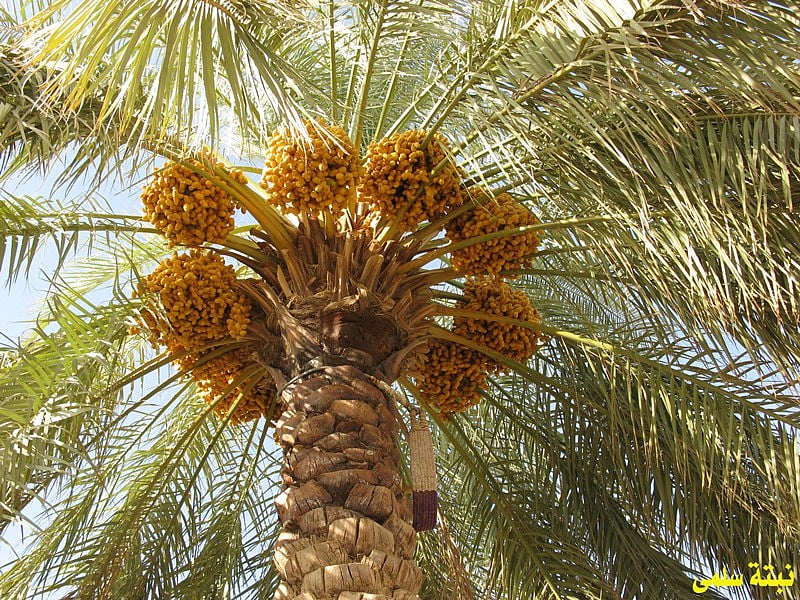
Dubai: The UAE Council For FATWA has issued a nationwide ruling standardising the zakat threshold for dates at 541 kilograms after drying, while clarifying how growers and date companies should calculate and pay the religious levy under a unified framework aligned with the country's agricultural practices.
The ruling, issued as General Fatwa No. 11 of 2026, retains the previously adopted contemporary weight equivalent of the traditional Islamic threshold of five wasqs, following a field study conducted across the UAE.
Get updated faster and for FREE: Download the Gulf News app now - simply click here.
The council said the unified standard reflects both established Islamic jurisprudence and the realities of domestic date production.
Under the ruling, zakat on dates becomes obligatory when the total dried harvest owned by an individual reaches 541kg, regardless of whether the dates are intended for sale, storage, personal consumption, gifts or charity. Owners must combine the yield from all date palms they own, whether located on farms, residential properties or other land.
The fatwa also sets out the applicable zakat rates according to irrigation methods. Growers whose date palms are watered naturally through rainfall or traditional aflaj irrigation systems without financial cost must pay 10 per cent of the total harvest. Where irrigation relies on wells or other methods that incur costs, the most common practice in the UAE, the zakat rate is 5 per cent.
The council said the zakat should normally be paid in the form of dates after drying or their monetary value. Fresh dates should not be given before they have become dried dates, although owners who sell their crop while still fresh may instead pay zakat based on the proceeds of the sale.
The ruling also distinguishes between two categories of date companies. Businesses that own date farms, or purchase date palms with fruit before it ripens, are required to pay zakat on the harvest according to the applicable irrigation rate. If the harvest is sold, the proceeds are added to the company's cash holdings and other trade assets and included in its annual zakat calculation.
Companies that purchase dates only after the fruit has ripened or after harvesting are not liable for crop zakat because the obligation falls on the original owner. Instead, the dates are treated as trade inventory, valued at market prices and subject to the standard 2.5 per cent zakat on trading assets once the required threshold and one lunar year have been met.
The council said the 541kg benchmark was established following a field study carried out in coordination with relevant authorities. Researchers examined leading date varieties grown in the UAE, measured them using a vessel equivalent to the Prophetic mudd and verified the findings with calibrated weighing equipment approved by the Ministry of Industry and Advanced Technology.
The council urged farm owners and other zakat payers to comply with the unified standard and relevant regulations, encouraging them to calculate and pay zakat through the UAE's authorised official channels, including the General Authority of Islamic Affairs, Endowments and Zakat and its smart application.
It said the ruling is part of its mandate to issue unified public fatwas across the UAE, providing a trusted religious reference that combines established Islamic principles with practical application in the country.
Network Links
GN StoreDownload our app
© Al Nisr Publishing LLC 2026. All rights reserved.