Inside Abu Dhabi’s quality-of-life upgrade: 89 parks and 85km cycling tracks
Smart parks, digital twins and new roads drive Abu Dhabi’s urban evolution
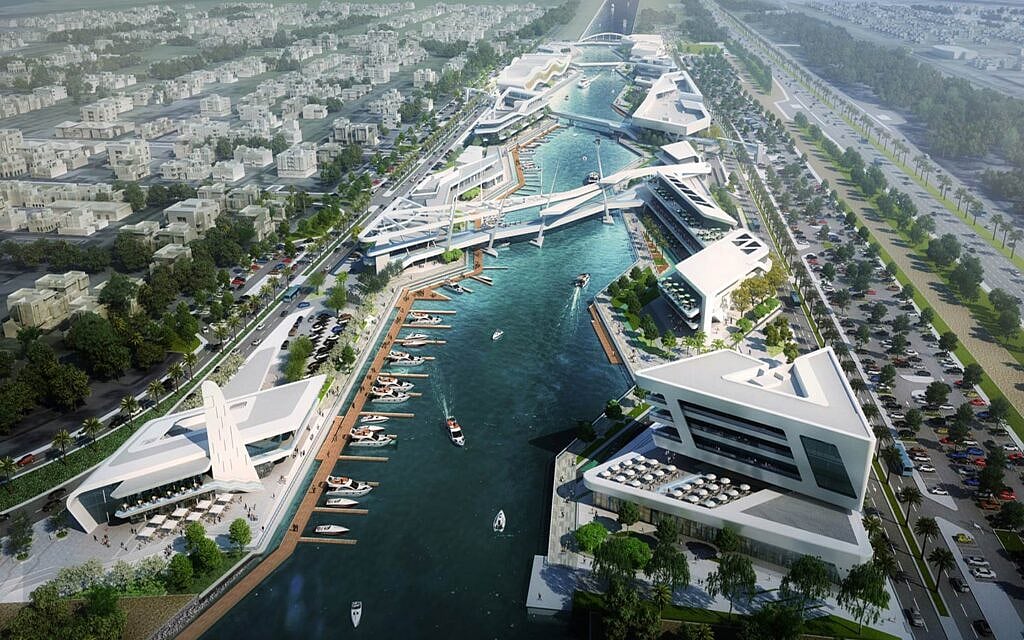
The Department of Municipalities and Transport (DMT) in Abu Dhabi has reaffirmed its commitment to advancing infrastructure development and enhancing quality of life across the emirate through a diverse portfolio of projects ranging from modern road networks to integrated community spaces.
According to a report outlining the completion of infrastructure projects across Abu Dhabi City and its suburbs, the Department delivered 31 projects in 2025 throughout the emirate. These included 89 parks, 85 kilometres of cycling tracks, three tunnels, two bridges, 800 lighting poles, eight major intersection upgrades, 105 bus shelters, 1,446 parking spaces, and one traditional market.
The Department emphasized its continued commitment to transforming strategic visions into reality and building a future that reflects Abu Dhabi’s ambitions.
As part of its strategy to enhance quality of life and foster vibrant communities, DMT inaugurated 16 new parks in Al Shamkha. These represent the latest community spaces opened in 2025, following the launch of additional parks in Al Falah and Mohammed Bin Zayed City as part of efforts to develop integrated residential communities offering residents the highest standards of wellbeing and living quality.
Landmark infrastructure achievements
Among the most significant projects completed were two marine bridges linking Al Reem Island with Sheikh Khalifa Bin Zayed Road, strengthening public infrastructure and improving traffic flow. The bridges reduced average travel times during morning and evening peak periods by 60%, equivalent to approximately 15 minutes saved during rush hours.
The expansion of Sheikha Salama Bint Butti Road reduced journey times along the corridor from 17 minutes to just nine minutes. Meanwhile, upgrades to Arabian Gulf Street contributed to an 80% reduction in traffic delays during morning peak hours.
DMT also developed 10 smart parks equipped with approximately 1,000 sensors and 200 smart cameras. The Department launched the “Nabd” real-time city modelling platform, powered by 70 data sources and 15 interconnected systems, while implementing a citywide digital twin model to support proactive planning and monitor quality-of-life indicators.
Additional initiatives included deploying smart inspection vehicles for automated monitoring of waste and maintenance requirements, expanding the free “Hala Wi-Fi” service across buses, parks and beaches, and launching the “Abu Dhabi Canvas” initiative to support UAE-based artists and showcase their work in public spaces.
The Department also completed extensive maintenance projects covering 83 bridges and tunnels for vehicles and pedestrians, one million square metres of asphalt works, and 6,458 kilometres of stormwater drainage networks to enhance infrastructure efficiency across the emirate.
Completing infrastructure across Abu Dhabi and its suburbs:
Transformational projects shaping the city of the future
Abu Dhabi continues to accelerate the completion of its infrastructure ecosystem across the capital and surrounding suburbs under a long-term development vision aimed at creating integrated, sustainable cities capable of supporting population growth, urban expansion, and economic development, while reinforcing Abu Dhabi’s position among the world’s leading cities for quality of life.
Over recent years, Abu Dhabi City Municipality, in collaboration with the Department of Municipalities and Transport, the Abu Dhabi Projects and Infrastructure Centre (ADPIC), and strategic partners, has successfully delivered dozens of projects covering roads, street lighting, stormwater drainage systems, infrastructure for new residential communities, parks, public spaces, and urban beautification initiatives. These projects have significantly enhanced service efficiency and improved the urban environment across the capital and its suburbs.
An integrated infrastructure vision
Infrastructure development in Abu Dhabi has evolved far beyond traditional road construction and utility networks. The emirate now embraces the concept of the “Integrated City,” which brings together:
Housing
Roads and bridges
Sustainable transportation
Public facilities
Parks and recreational spaces
Water and wastewater networks
Energy systems
Digital infrastructure
Environmental sustainability
Quality of life
This comprehensive vision is supported by strategic plans that ensure new districts are fully prepared before reaching peak population levels, minimising the need for extensive future upgrades.
By the numbers: Largest infrastructure development programme
The year 2024 marked a major milestone in Abu Dhabi’s infrastructure journey following Executive Council approval of:
144 new projects
Investments worth AED 66 billion
Projects distributed across all regions of the emirate
These projects encompassed:
Housing developments
Roads and transport infrastructure
Public utilities
Education facilities
Quality-of-life initiatives
Tourism projects
Natural resource developments
New community developments
More than AED 59 billion was allocated to housing and public utility projects alone, underscoring the scale of investment directed toward supporting current and future residential communities.
Project portfolio exceeding Dh209 billion
In 2026, the Abu Dhabi Projects and Infrastructure Centre announced that it manages:
More than 500 projects
With a combined value exceeding Dh209 billion
The portfolio includes:
Roads
Bridges
Schools
Hospitals
Museums
Residential communities
Hotels
Quality-of-life projects
Smart infrastructure initiatives
This represents one of the largest government project portfolios in the region.
Balanced development across the capital and its suburbs
Abu Dhabi City Municipality has adopted a development model focused on balanced growth between the capital and its suburban communities, ensuring that services extend beyond the island to newly developed residential cities.
Key suburban areas benefiting from extensive development include:
Bani Yas
Mohammed Bin Zayed City
Khalifa City
Al Shawamekh
Al Wathba
Al Falah
Al Riyadh
South Al Shamkha
Al Shahama
Al Samha
Al Raha Beach communities
Projects have covered:
Internal road networks
Street lighting
Sidewalks
Pedestrian pathways
Irrigation systems
Landscaping
Parking facilities
Parks
Public service infrastructure
Road projects: Arteries of development
Road infrastructure remains one of Abu Dhabi’s largest areas of investment, developed according to international standards focused on:
Traffic safety
Efficient mobility
Artificial intelligence integration
Sustainability
Reduced travel times
Capacity for future population growth
Projects include:
Road widening schemes
Intersection upgrades
Bridge construction
Tunnel development
Improved access to residential communities
Modern traffic signal systems
New roads are also designed to accommodate electric vehicles, future mobility solutions, and smart utility networks.
Urban beautification as part of infrastructure development
Abu Dhabi Municipality has embraced the concept of aesthetic infrastructure, integrating urban beautification with development projects.
A notable example is the enhancement of the central median along Sheikh Rashid Bin Saeed Street, which includes:
Development over a 1.7-kilometre stretch
Use of stabilized sand technology
Landscaping works covering 6,500 square metres
Installation of a modern irrigation network
Seasonal flower planting
Improved water-efficiency measures
The project aims to enhance the urban landscape while supporting environmental sustainability.
Sustainable infrastructure
Modern infrastructure projects in Abu Dhabi prioritize:
Reduced water consumption
Improved energy efficiency
Environmentally friendly materials
Expansion of green spaces
Better air quality
Enhanced biodiversity
Sustainability has become a core criterion across all municipal projects, aligning with Abu Dhabi’s environmental vision.
New governance framework accelerating delivery
In 2026, the Abu Dhabi Projects and Infrastructure Centre launched a unified governance framework for infrastructure projects involving 14 government entities, including municipalities, utility providers, transportation authorities, and telecommunications companies.
The framework aims to:
Reduce approval timelines
Standardize implementation procedures
Improve coordination efficiency
Minimize duplication of work
Accelerate delivery of capital projects across the emirate
Quality of life at the forefront
Infrastructure projects in Abu Dhabi are increasingly linked to quality-of-life indicators through:
Additional parks and green spaces
Walking and cycling tracks
Enhanced urban environments
Upgraded public squares
Expanded community facilities
Improved access to services
This approach has strengthened Abu Dhabi’s standing among the region’s and the world’s leading cities for livability and sustainability.
Infrastructure Supporting Economic Growth
Infrastructure development serves not only residents but also acts as a key driver of economic growth by:
Attracting investment
Supporting the real estate sector
Increasing land values
Facilitating commercial activity
Strengthening tourism
Enhancing the emirate’s competitiveness
These projects also ensure Abu Dhabi is prepared to accommodate future growth in population and economic activity.
The future of the capital
Current indicators suggest that Abu Dhabi is entering a new phase of urban development centred on the integration of:
Smart infrastructure
Sustainability
Digital transformation
Quality of life
Proactive urban planning
With hundreds of projects underway and investments exceeding AED 209 billion, Abu Dhabi City and its suburbs are steadily moving toward the completion of one of the most advanced integrated infrastructure systems in the region and globally, reflecting the emirate’s vision of building a resilient, sustainable, and future-ready city capable of meeting the needs of generations to come.
Sign up for the Daily Briefing
Get the latest news and updates straight to your inbox
Network Links
GN StoreDownload our app
© Al Nisr Publishing LLC 2026. All rights reserved.