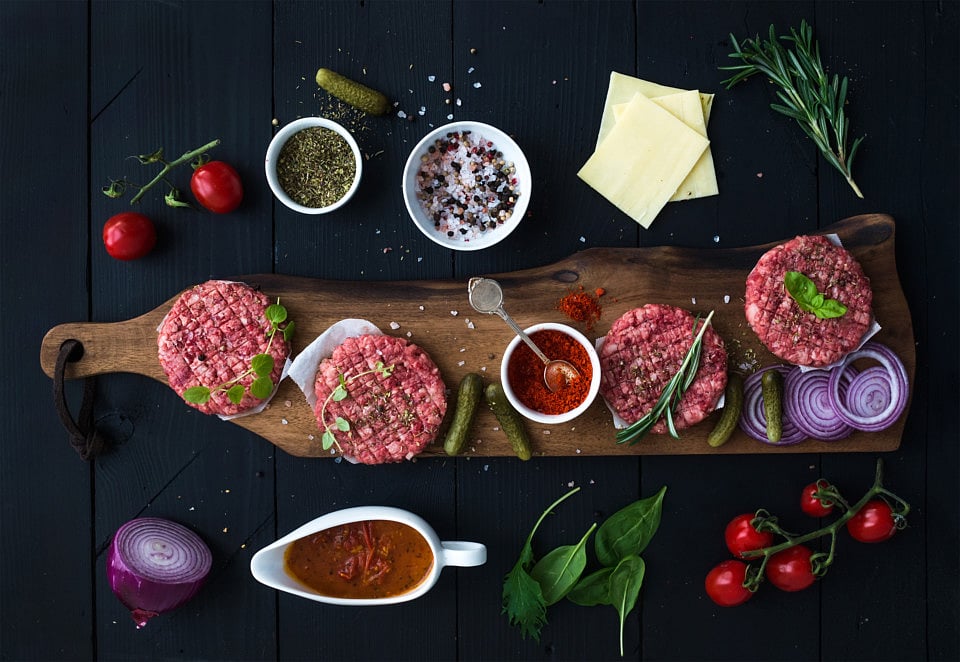
Food cancer
Dubai: Frequent consumption of processed red meats and alcohol can increase the risk of various types of cancer, according to experts in the UAE.
Dr Akhilesh Sapra, a specialist gastrointestinal surgeon at Prime Hospital in Dubai, noted that processed meats such as bacon, sausages, and deli meats often contain preservatives like nitrates and nitrites, which can form harmful compounds in the body.
“Frequent consumption of processed meats increases the risk of colorectal cancer,” Dr Sapra said, while marking World Cancer Day on February 4.
While popular street foods like shawarma are made from seasoned and marinated meat, often cooked on a vertical rotating spit, Dr Sapra pointed out that consuming items made from processed meats or those cooked at high temperatures can increase the risk of developing cancer.
“While enjoying a shawarma occasionally is unlikely to pose significant harm, regularly consuming processed meats may contribute to cumulative cancer risk.”
Dr Sapra noted that high-temperature cooking methods applied to different meats can lead to the formation of carcinogens. “Cooking at high temperatures, such as grilling or charring, produces chemicals known as heterocyclic amines (HCAs) and polycyclic aromatic hydrocarbons (PAHs), which are associated with cancer development,” he said.
Alcohol and smoking
Dr Annu Susan George, a consultant medical oncologist at Medcare Royal Specialty Hospital in Al Qusais, Dubai, pointed out that cigarette smoking is the primary risk factor for lung cancer, accounting for 90 per cent of all cases.
“Relative risk for a long term smoker compared to lifetime non-smoker vary from 10 to 30 fold. Risk increases with the number of cigarettes smoked per day and lifetime duration of smoking. Passive smoking increases risk of lung cancer by 20-30 per cent,” Dr George said.
She highlighted that alcohol consumption is a proven carcinogen linked to multiple types of cancer, including those of the liver, breast, esophagus, head and neck, and colorectal.
“Even moderate drinking can increase cancer risk. Even one drink per day increases breast cancer risk by 7 to 10 per cent due to estrogenic effects and risk of colorectal cancer increases with more than 2 drinks per day. Even low alcohol intake increases risk, and risk reduction starts with complete abstinence.”
‘Moderation not elimination’
Dr Mudhasir Ahamad, a specialist in medical oncology at Lifecare Hospital in Musaffah, Abu Dhabi, underlined that the most effective way to reduce risk is moderation, not elimination.
“Limit red meat intake to under 18 ounces per week. Opt for leaner cuts with less marbling, trim fat, or marinate meat before cooking. Use low-heat cooking methods instead of grilling or charring. Replace some red meat meals with plant-based proteins, poultry, or seafood.”
Dr Ahamad recommended avoiding alcohol if possible, or limiting it to one drink per day for women and two for men. “Focus on moderation rather than complete elimination.”
He emphasised the risks associated with excessive consumption of ultra-processed and sugary foods.
“Ultra-processed foods often high in sugar, sodium, and unhealthy fats, lead to obesity – a major risk factor for cancer. So, replace ultra-processed snacks with whole foods like fruits, nuts, and homemade meals.”
Stressing the importance of a balanced diet, Dr Ahamad added: “Occasional indulgence in these foods won’t necessarily cause cancer, but repeated and excessive consumption over time increases risk. A balanced, plant-based diet with whole foods, lean proteins, and healthy fats can help lower cancer risk significantly.”
Sign up for the Daily Briefing
Get the latest news and updates straight to your inbox
Network Links
GN StoreAbout Gulf NewsTerms & ConditionsReach by GNSitemapContact usPrivacy PolicyGN FocusHave your sayWork with usAdvertise with usGulf News epaperPrinting Services
Download our app
© Al Nisr Publishing LLC 2026. All rights reserved.