UAE experts call for wider early screening for diabetes, cancer and other chronic diseases
More than 600 specialists discuss ways to detect risks sooner and reduce complications
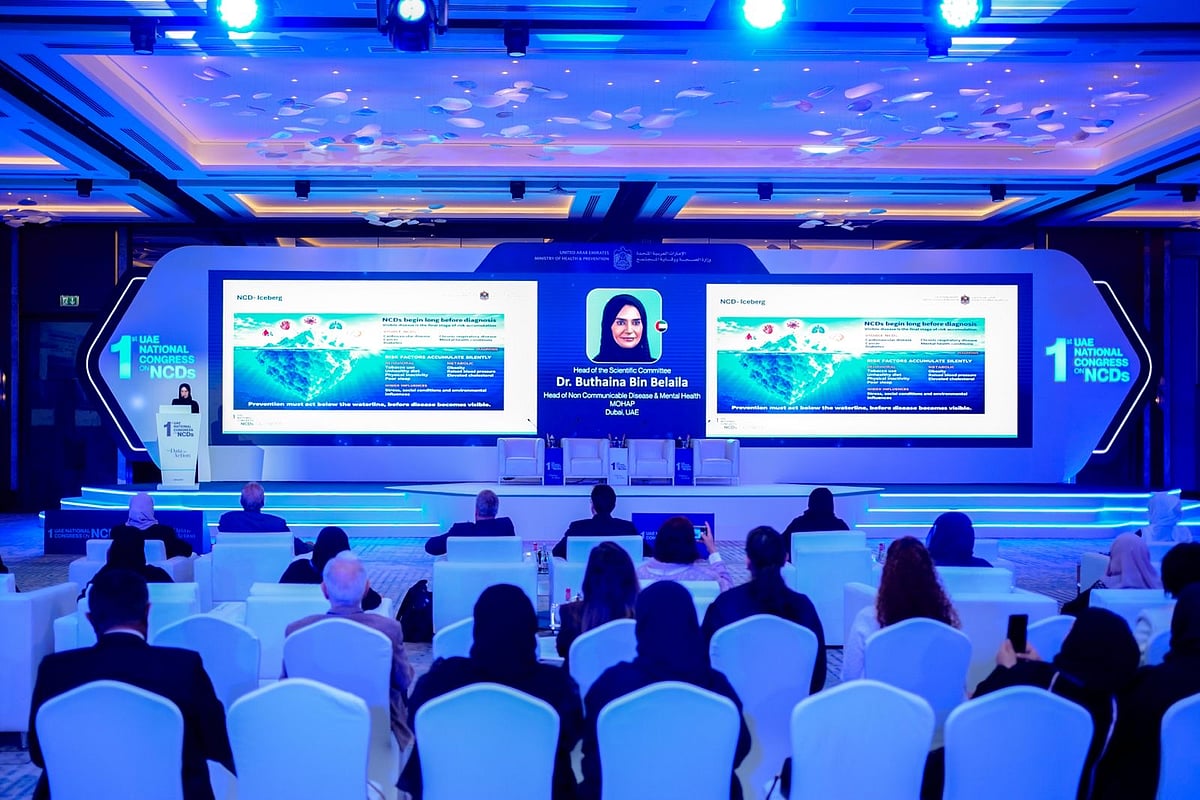
Early screening for chronic diseases should be expanded across the UAE and more closely linked with primary healthcare, health experts have recommended following a three-day conference in Dubai.
The first conference on Non-Communicable Diseases (NCDs), held under the patronage of the Ministry of Health and Prevention (MoHAP), concluded with recommendations aimed at preventing diseases earlier and reducing complications.
Get updated faster and for FREE: Download the Gulf News app now - simply click here.
More than 600 government officials, doctors, public health specialists, researchers and academics attended the conference.
Discussions covered cardiovascular diseases, diabetes and obesity, cancer, kidney and respiratory diseases and mental health.
Detecting diseases earlier
Among the main recommendations was expanding programmes that identify risk factors and chronic diseases at an earlier stage.
Experts also called for stronger links between primary healthcare and specialist services so patients can receive more coordinated treatment and long-term follow-up.
Dr Hussain Abdul Rahman Al Rand, Assistant Undersecretary for the Public Health Sector at MoHAP and President of the conference, said greater coordination between health authorities was needed to turn health data and scientific evidence into practical programmes.
He said primary healthcare has an important role in reducing risk factors and managing chronic diseases.
AI to support doctors
The conference also recommended greater use of health data and artificial intelligence to identify people who may be at risk and support clinical decisions.
Experts said AI should be used responsibly and under clear rules covering governance and the protection of patient data.
Dr Buthaina Bin Belaila, Head of the Non-Communicable Diseases and Mental Health Department at MoHAP and Chair of the Conference Scientific Committee, said collecting data alone was not enough.
She said its value comes from using it to understand health patterns, detect risks, identify gaps and decide where action is needed.
The recommendations also called for more local scientific research and better measurement of whether prevention and treatment programmes are working.
Prevention from childhood
Experts said preventing chronic diseases should begin early in life, with greater attention given to nutrition, physical activity, mental health and other behavioural and environmental factors.
This approach would continue through adulthood and healthy ageing.
The conference also called for health economics to be used to assess prevention and screening programmes, helping authorities direct resources towards measures that have a measurable impact on public health.
Network Links
GN StoreDownload our app
© Al Nisr Publishing LLC 2026. All rights reserved.