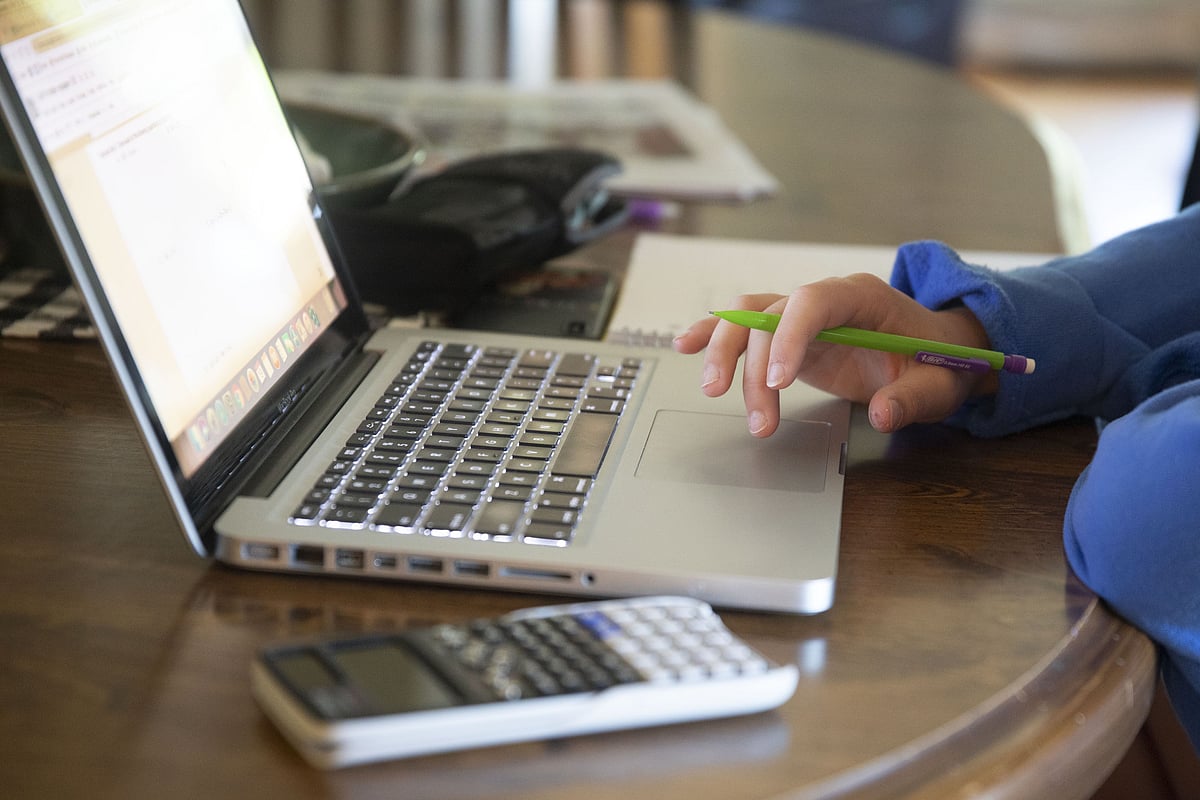
Dubai: The UAE’s Ministry of Education has issued 10 key guidelines aimed at protecting students during periods of remote learning, as schools across the country step up efforts to ensure children remain safe and engaged in digital classrooms.
The guidance, circulated to both public and private schools, has also been shared with parents and students as part of a broader push to promote responsible online behaviour and maintain a safe learning environment beyond the physical classroom, Al Bayan newspaper reported.
Some schools have also begun organising virtual awareness workshops and online parent councils to explain how the rules should be applied and how families can support their children’s daily learning in a safe and disciplined digital environment.
Get updated faster and for FREE: Download the Gulf News app now - simply click here.
Among the most important measures is the requirement that students use only officially approved learning platforms to ensure access to accurate academic content and to protect their personal and educational data.
The ministry also warned against the risks associated with unverified applications, which could expose students to inappropriate content or online threats.
Students have also been advised to attend classes on time, follow virtual classroom etiquette and respect the rules governing online learning environments.
Schools are encouraging positive behaviour, mutual respect between students and teachers, and caution against sharing personal information with unknown or unauthorised parties.
The guidelines also give particular attention to the technical side of remote learning, urging families to activate parental control software on devices used for online education and to report technical problems through official channels.
Parents are encouraged to monitor attendance, ensure children follow their daily schedules, support them in completing assignments and make sure homework and projects are submitted on time.
Schools have also been asked to encourage active participation rather than passive attendance, stressing that meaningful engagement in discussions and activities remains essential even in a virtual classroom.
The ministry also advised limiting non-educational screen time during the school day and organising device use to maintain a healthy balance between study and rest.
Students should be given short breaks between lessons to maintain focus, while parents are encouraged to monitor their children’s mental wellbeing and watch for signs of stress linked to home learning.
At the same time, private schools across the UAE have opened early registration for the 2026–2027 academic year, encouraging parents to apply early to secure places, particularly in high-demand year groups.
Admissions procedures are increasingly being conducted online, including remote placement tests in Arabic, English and mathematics, allowing families to complete the process from home.
For younger children, especially in kindergarten, schools said assessments would focus on interactive activities and basic skills such as recognising letters and numbers, communication abilities and social interaction, rather than formal testing that could place pressure on young learners.
Virtual school tours are also being offered to introduce parents to facilities such as classrooms, laboratories, libraries and sports areas, as well as academic programmes, extracurricular activities and student wellbeing support services.
Network Links
GN StoreDownload our app
© Al Nisr Publishing LLC 2026. All rights reserved.