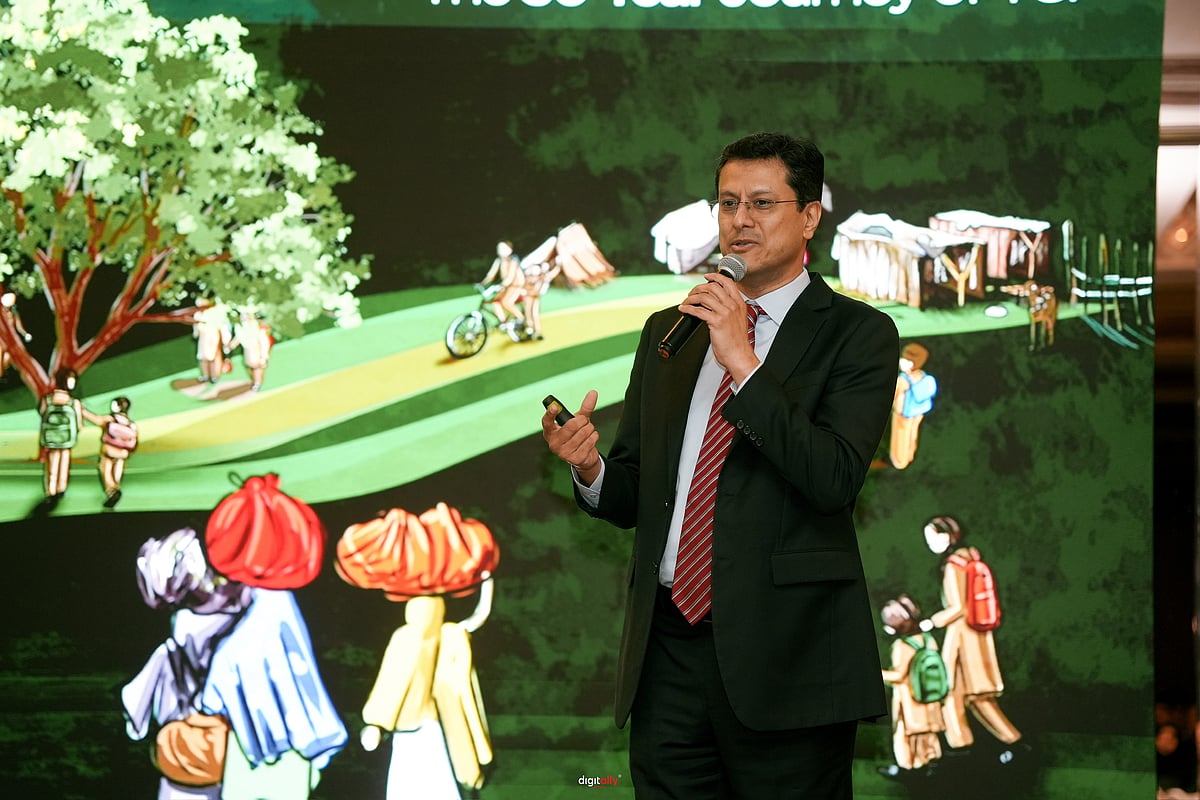
Wajiha Bari TCF UAE COO, Imran Khan and Urooba Yousuf during TCF's annual supporters' conference in Dubai.
Dubai: With nearly 700 supporters gathered under one roof, The Citizens Foundation (TCF) used its annual supporters conference and dinner in Dubai not just to reflect on progress but to rally renewed momentum against Pakistan’s deepening learning crisis.
The event in Dubai brought together philanthropists, corporate leaders, educators and long-time advocates, underscoring the UAE community’s critical role in advancing access to quality education for children in underserved communities across Pakistan.
As TCF’s first international chapter, established in 2004, TCF UAE has built a powerful network of supporters whose contributions continue to fuel the organisation’s rapid expansion and innovation.
A crisis beyond access
While millions of children in Pakistan remain out of school, the challenge extends far beyond enrolment.
“Pakistan is facing not just an education crisis, but a learning crisis,” said TCF CEO Zia Abbas in his address. “Only three out of ten children in school are learning at grade level. Access alone is not enough, quality must be at the centre of the solution,” he added.
From just five schools at its founding in 1995, TCF has grown into a nationwide network of 2,033 school units, educating more than 320,000 students. The organisation has also emerged as the largest private employer of women in Pakistan, with over 16,500 all-female faculty members, a model that simultaneously strengthens classrooms and empowers communities economically.
Driving innovation in education
The conference spotlighted TCF’s evolving academic approach, designed to equip students with future-ready skills:
A strengthened Early Years Programme focused on foundational literacy, numeracy and critical thinking
An enhanced digital curriculum introducing coding through Scratch from Grade 6
The Aagahi Adult Literacy Programme, which has enabled more than 293,000 women to gain functional literacy
A flagship higher secondary college delivering academic results that rival some of Pakistan’s most prestigious private institutions
Together, these initiatives reflect TCF’s strategy to tackle the learning crisis at multiple levels, from early childhood to adult education.
Stories that define impact
Beyond numbers, the evening’s most powerful moments came from alumni whose lives have been transformed by education.
Almas, a graduate from Rehri Goth in Karachi, is now leading environmental action in her coastal community. By mobilising residents to plant mangroves and establish nurseries, she is protecting marine ecosystems, improving water quality and creating local awareness around sustainability, a testament to how education can spark community-wide change.
Urooba Yousuf, now a Performance Marketing Manager and entrepreneur in the UAE, reflected on growing up in severe financial hardship. “TCF gave me the power to dream beyond my circumstances. It gave me confidence, knowledge and the strength to rewrite my story,” she said.
Imran Khan, who runs his own business formation services company, echoed the sentiment. “Education gave me direction and self-belief. It taught me to see challenges as opportunities.”
A collective commitment
With continued backing from its supporters in the UAE and around the world, TCF aims to scale its impact further, ensuring that every child, regardless of background, has access to quality education and the opportunity to thrive.
TCF
Founded in 1995, The Citizens Foundation is one of Pakistan’s leading non-profit organisations dedicated to providing quality education to children from low-income communities. The foundation runs purpose-built schools in urban slums and rural areas.
Network Links
GN StoreAbout Gulf NewsTerms & ConditionsReach by GNSitemapContact usPrivacy PolicyGN FocusHave your sayWork with usAdvertise with usGulf News epaperPrinting Services
Download our app
© Al Nisr Publishing LLC 2026. All rights reserved.