GESS Dubai 2026 puts play, neuroscience and belonging in focus for early learners
Early childhood education sector explores approaches beyond classroom instruction
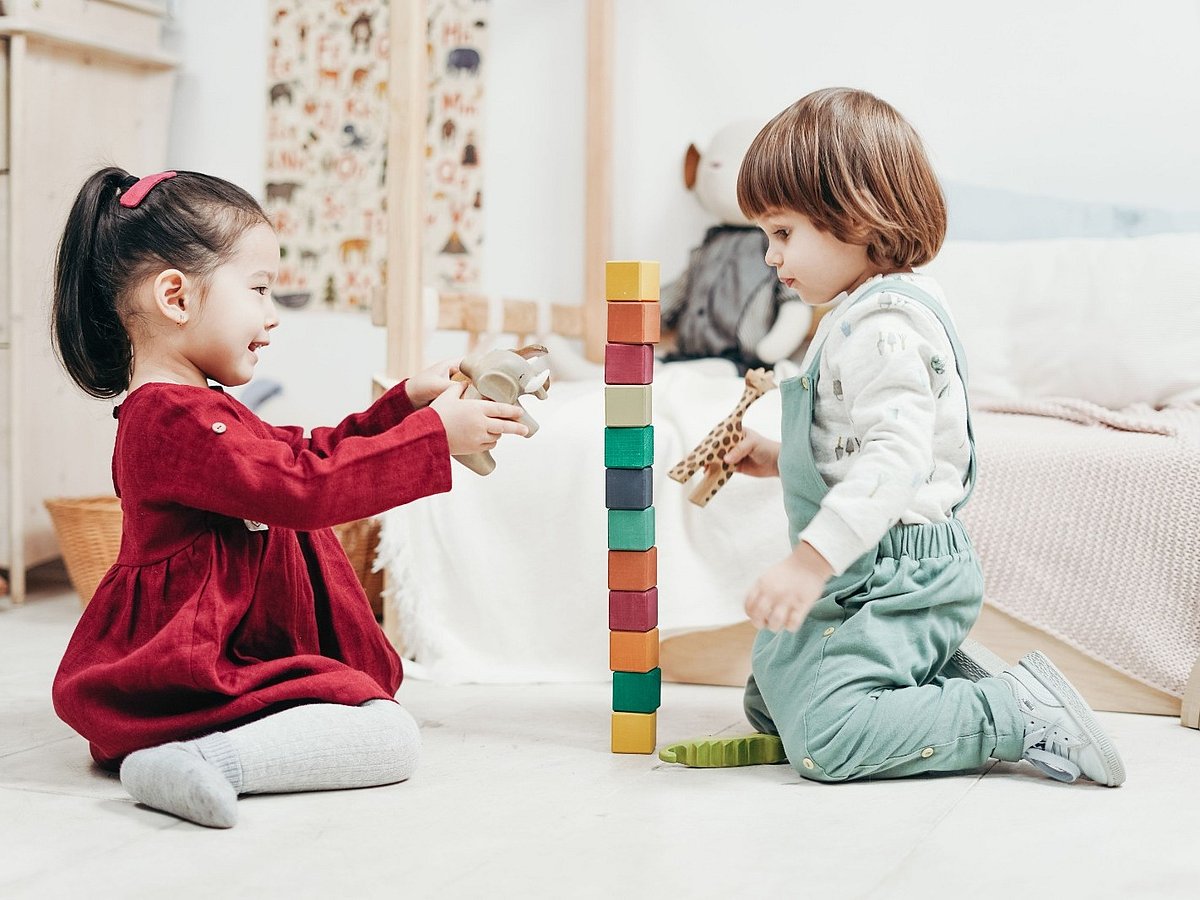
Play, neuroscience and belonging in early childhood education were among the topics discussed at GESS Dubai 2026, held from November 10 to 12. The event brought together educators, industry professionals and education service providers.
Dubai’s early childhood education sector explores approaches beyond traditional classroom instruction. Greater attention is being given to the cognitive, emotional and social factors that influence how young children learn and develop. Education professionals are also placing greater emphasis on play, cognitive development and emotionally supportive learning environments.
Aalia Thobani, founder of Dubai-based cognitive training centre The Brain Accelerator, participated in two sessions at the conference’s Early Years Pavilion, focusing on the role of neuroscience and belonging in early childhood education.
Her presentation, “The Science of Play – What Neuroscience Tells Us About Exploration,” examined how the developing brain responds to movement, sensory experiences, curiosity, problem-solving and hands-on exploration. It highlighted how intentionally designed play can support cognitive and emotional development while encouraging creativity and independent thinking.
Thobani also joined a panel discussion titled “Belonging in Practice – Real Stories of Belongingness From Educator’s Perspective.” Educators explored how everyday interactions, classroom rituals and family partnerships can help children feel safe, valued and connected.
Drawing on an example inspired by the Reggio Emilia approach, Thobani described a classroom activity in which children were encouraged to build a bridge to help a toy dog cross an imaginary river. The activity showed how playful exploration can create opportunities for problem-solving, emotional regulation and collaboration.
She also shared a four-step approach, Connect, Calm, Scaffold and Celebrate, to help educators support children through moments of frustration, encouraging them to reconsider their strategies and persevere.
“A child feels safe enough to try again, and another child makes room for their idea,” Thobani said, highlighting the connection between playful learning and belonging in early childhood settings.
The Brain Accelerator’s personalised cognitive assessments and training programmes focus on strengthening underlying learning skills, including attention, memory, processing speed and reasoning.
Sign up for the Daily Briefing
Get the latest news and updates straight to your inbox
Network Links
GN StoreDownload our app
© Al Nisr Publishing LLC 2026. All rights reserved.