Sharjah Police release details of Habiba’s death
200 times recommended amount of pesticide used
SHARJAH: Police probing the death of two-year-old Habiba Hesham Abdul Rahman have arrested seven Indian men for running unlicensed pesticide companiess.
Blood test results, carried out on her sick brother Abdul Rahman, have this week confirmed Habiba died from pesticide poisoning.
The men were arrested for the use of aluminium phosphide, a highly poisonous substance found in Abdul Rahman’s blood, as well as running unlicensed pest control operations, Sharjah Police officials confirmed at a press conference yesterday.
Police arrested them in an apartment the men were using as a makeshift chemical lab.
Habiba died hours after being taken to Al Qasimi Hospital in Sharjah on September 1, and her six-year-old brother remains in intensive care.
The press conference, held at Sharjah Media Centre, revealed the details of Habiba’s death, the investigation process and how the men were tracked and held.
Habiba died after her cardiac muscle was weakened, officials confirmed yesterday.
Colonel Dr Abdul Kader Al Ameri, Head of the Forensics Laboratory at Sharjah Police, explained that when the tests conducted by Sharjah Municipality came back negative for food poisoning, police were directed to look for chemical poisoning.
“The children had vomited over 20 times, which also ruled out food poisoning,” he added.
When the police went to the children’s home, they found out their neighbours had used pesticides, as they had sealed the doors in a bid to stop the pesticides seeping out.
Al Ameri said that police broke down the door, searched the house and found 26 pellets of aluminium phosphide.
“Aluminium phosphide is a highly dangerous pesticide and is a poisonous substance.”
He added that when they removed the false ceiling in the flat’s kitchen they found that there was a 23cm wide opening that allowed air to move between the two flats.
Investigations showed that the pellets were placed in the flat the day before the two children fell ill.
“There is not much known in the region about aluminim phosphide, but I have reviewed some literature about it and, according to UK standards, the amount used in the flat was 200 times the recommended amount.” Al Ameri explained.
Blood tests have confirmed that Abdul Rahman is suffering from aluminium phosphide poisoning.
Colonel Jihad Bin Sahou, Director of Criminal Investigation in Sharjah Police, explained how the men were arrested.
“We found a number of flyers and cards that offer pest control services in front of the flat that contained the pesticides, so we choose one company and we called them.”
He said police called posing as customers and asked for their serivces and gave them an address to the flat where they supposedly wanted pests exterminated.
“Two men came to the address with some bags and we started questioning them and we found out they were unlicensed.”
He said they went to search the men’s apartment, which is in the same area in which the victims live, and found five other men in the same apartment.
Sahou said the seven men used the flat like a chemistry lab to make pesticides, and slept there as well.
“We found two to three mobile phones under each of their pillows as well as bill books that they used to bill their customers.”
He explained that they had differently named companies, that did not exist, and hence were not licensed.
The team also found multiple kinds of pesticides and gas masks, including the posionous aluminium phosphide.
“They had scratched out and hid the warning labels on the aluminium phosphide tube, which means they knew that the substance was dangerous.” Sahou said. The label read “poison”.
Police took the bills, and called the people who the men provided pest extermination services to, and warned them of the dangers, Sahou said.
None of the people were harmed or poisoned, he added.
Sahou said that aluminium phosphide can be used and is used for pest control, but it needs to be licensed and should be strictly controlled as it is highly poisonous.
Colonel Sultan Abdullah Al Khayal, Director of Media and Public Relations at Sharjah Police, said that they are working on creating a media awareness campaign to teach people about the dangers of substances used in extermination and pest control, in order to reduce pesticide poisoning as the country has seen a number of cases over the past years.
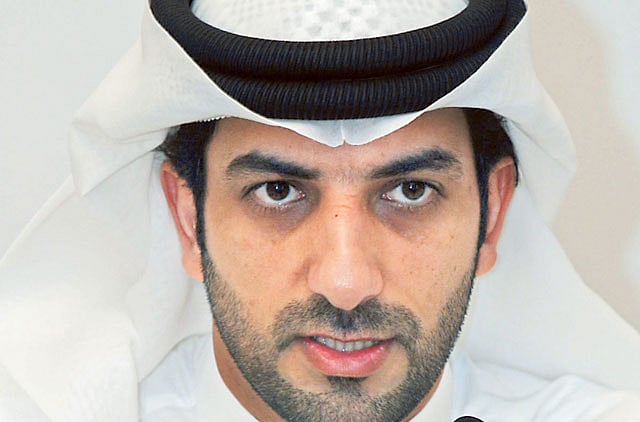
In the last seven years, there have been nine reported deaths caused by pesticide poisoning.Shaikh Sultan Bin Ahmad Al Qassimi, Chairman of Sharjah Media Corporation and Sharjah Media Centre, expressed his thanks and appreciation for the efforts of the various agencies that contributed to the unravelling of the reason for Habiba’s death and the illness of her brother, who is still being treated.
He pointed out that similar cases happen in different societies and one is required to learn from these incidents so as not to repeat these mistakes as well as find concrete solutions, which the media can use to raise awareness among citizens.
Sign up for the Daily Briefing
Get the latest news and updates straight to your inbox
Network Links
GN StoreDownload our app
© Al Nisr Publishing LLC 2026. All rights reserved.