The AI behind viral images now wants to scan your body in 60 seconds
Midjourney unveils a wellness scanner, but experts caution against overpromising
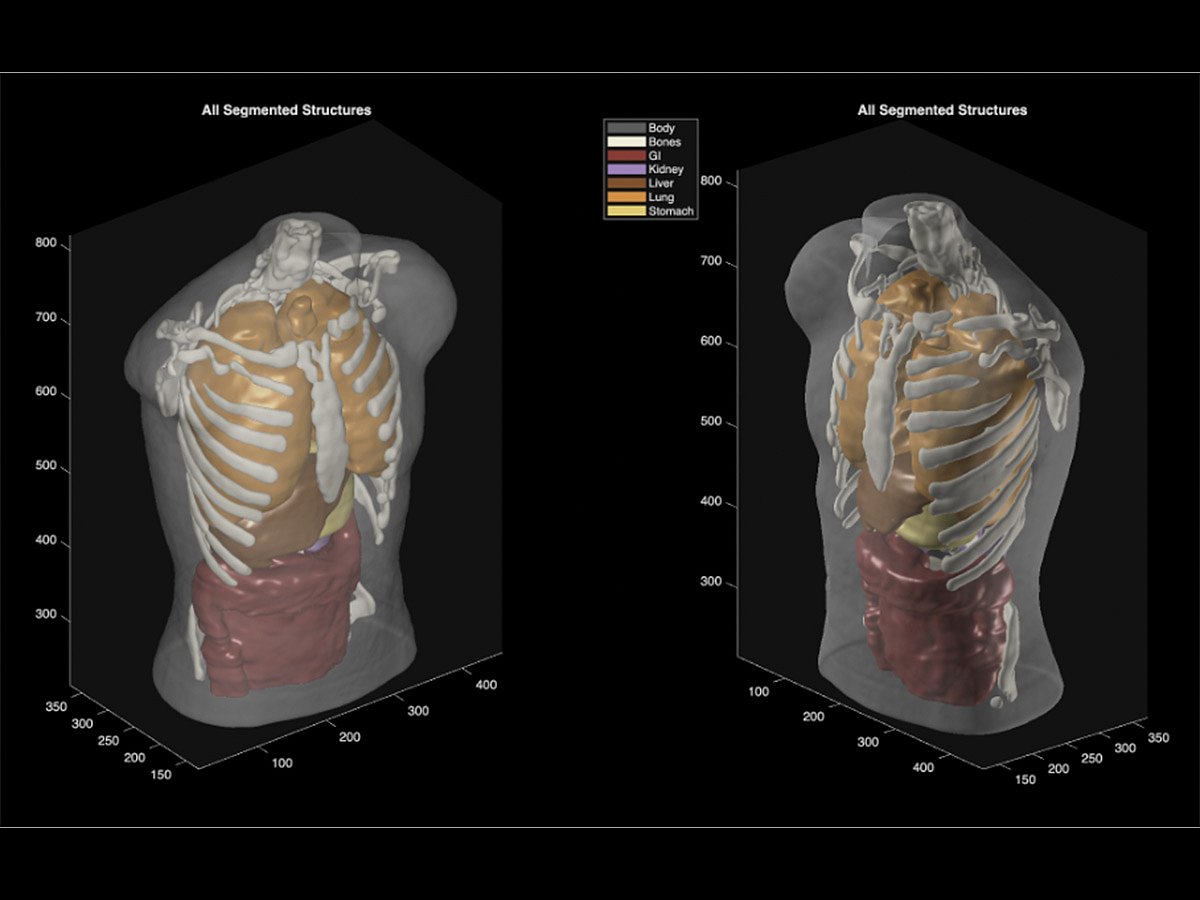
Midjourney, long known as one of the world’s leading AI image generators, is making an unexpected move into healthcare, unveiling a new division and a full-body ultrasound scanner.
Midjourney has unveiled Midjourney Medical, a new division developing a full-body ultrasound scanner that it says could produce detailed internal body images in about 60 seconds while users stand in a shallow pool of water inside what the company describes as a spa-style wellness centre.
Get updated faster and for FREE: Download the Gulf News app now - simply click here.
Unlike MRI or CT imaging, the system relies on dozens of ultrasound sensors arranged in a ring around the body. These sensors emit sound waves from multiple angles, and powerful computers reconstruct a three-dimensional image of muscles, organs, bones and body composition. Midjourney says the process is meant to be fast, non-invasive and free from radiation.
From AI art to medical hardware
The announcement represents Midjourney’s first venture into hardware and healthcare, building on its background in AI image generation.
Founder David Holz said the long-term ambition is to make preventive health scans as routine as dental check-ups. The company hopes to deploy 50,000 scanners capable of performing up to one billion scans a month by 2031, beginning with its first wellness centre in San Francisco, expected to open in 2027.
Initially, the scanner will not be marketed as a medical diagnostic device. Instead, Midjourney plans to market it as a wellness product while seeking regulatory approvals to expand its clinical capabilities over time.
Medical experts urge caution
The news has generated excitement within parts of the technology community, but healthcare experts have urged caution about how consumers interpret the scans.
According to Business Insider, radiologists warned that widespread routine scanning could produce false positives, which may lead to unwarranted anxiety and follow-up testing. Physicians also note that ultrasound technology cannot currently replace MRI or CT imaging for many conditions because each imaging method has different strengths.
Cardiologist Eric Topol told MarketWatch the technology seems hopeful but is unlikely to replace MRI in areas such as brain imaging. Instead, he suggested it may find a role alongside existing preventive screening tools if clinical evidence supports its effectiveness.
Science communicator Hank Green also questioned comparisons to MRI, arguing that ultrasound remains limited in diagnosing many conditions and should be viewed as one tool among several imaging techniques.
Why it matters
The launch reflects a wider trend: AI companies are expanding beyond software into physical healthcare technologies.
While Midjourney is widely associated with generative AI, the company said its scanner currently relies primarily on advanced ultrasound hardware and computational imaging rather than AI diagnosis. Artificial intelligence could be integrated later to help analyse scans once regulatory permissions are obtained.
Network Links
GN StoreDownload our app
© Al Nisr Publishing LLC 2026. All rights reserved.