Motorola recalls past glory
Until Apple rewrote the rules, Nokia and Motorola were two of the biggest names in wireless phones. Motorola Mobility Holdings has dusted off its once-dominant Razr brand.
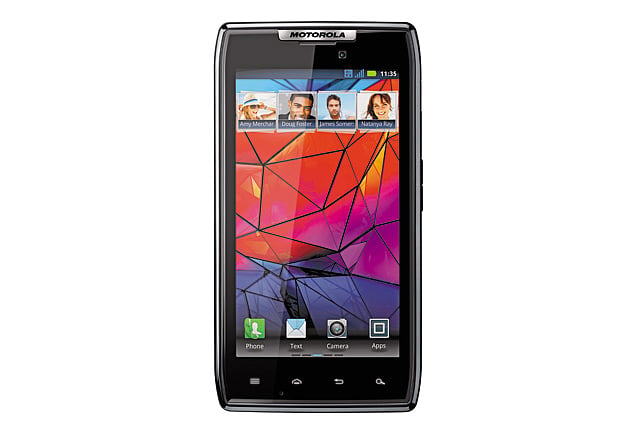
Until Apple rewrote the rules, Nokia and Motorola were two of the biggest names in wireless phones. Motorola Mobility Holdings has dusted off its once-dominant Razr brand. The phone is a solid performer and so physically distinctive that it won't be mistaken for any competitor.
Back in the day, the Razr was synonymous with thin. But those phones are obese compared with the Droid Razr, which at its thinnest point measures just .28 of an inch.
As with many high-end Motorolas these days, the Droid bulges at the top to house the camera as well as audio, video and power connectors.
Still, the whole package, including a big, bright 4.3-inch screen, weighs only 4.5 ounces, which is less than an iPhone 4S. A phone that thin and light naturally raises concerns about durability. In part to allay them, Motorola touts a layer of Kevlar — the same material used in bulletproof vests — that covers the back of the phone. While it certainly protects the Razr from scratches, it also makes it feel slippery. The image of ironclad security it's supposed to project was undermined on my test model by an air bubble that prevented a taut fit.
While you can get through a day of normal use on a single charge, heavy users may find themselves packing an extra charger. In addition, Motorola — which is in the process of being acquired by Google — says the Razr will be upgradeable to run "Ice Cream Sandwich," the new version of Android just beginning to show up on phones and tablets. It all signifies a healthy dose of future-proofing.
— dpa
Sign up for the Daily Briefing
Get the latest news and updates straight to your inbox
Network Links
GN StoreDownload our app
© Al Nisr Publishing LLC 2026. All rights reserved.