Apple’s Foldable iPhone, OLED MacBook and ‘Ultra’ push explained: What it means for the future of premium tech
This could change how Apple defines premium devices and how it prices them.
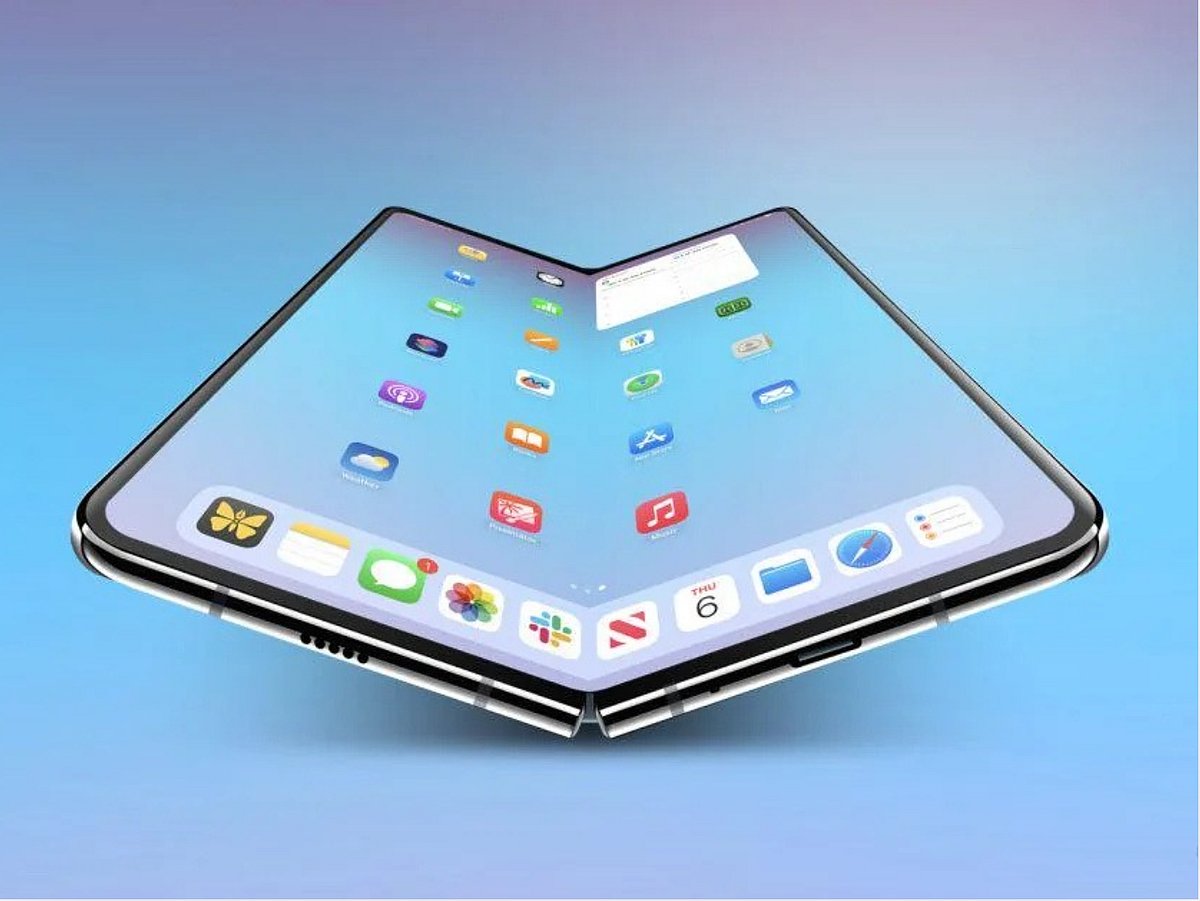
For years, Apple’s product names have mapped out a hierarchy, Pro for power, Max for size, Air for lightness. But a shift now brewing, suggests something more decisive: a clearly defined 'top tier' that sits above everything else.
And that matters more than it sounds, as it could change how Apple defines premium devices, and what users are willing to pay for the experience.
According to Bloomberg’s Mark Gurman, Apple is exploring a major expansion of its Ultra branding, potentially using it not just for chips and the Apple Watch Ultra, but for its most ambitious hardware yet: a foldable iPhone and a next-generation MacBook. Internally, the foldable device may not even be called 'iPhone Fold' at all.
Instead, it could arrive as the “iPhone Ultra,” marking it as something fundamentally beyond the Pro lineup. Reports from Macworld and The Independent (April 2026) indicate Apple will likely avoid the 'Fold' moniker in favour of iPhone Ultra to maintain a cohesive high-end identity..
That naming shift isn’t cosmetic as it indicates that Apple may be moving toward a more layered ecosystem where “Ultra” becomes the ceiling of its product pyramid, reserved for devices that can transform what the category can do.
A foldable iPhone doesn’t replace the Pro
According to leaks, the expected foldable iPhone is reportedly designed as a book-style device with a large inner display that opens to roughly 7.8 inches, close to an iPad mini-like experience, while offering a compact 5.3-inch cover screen when folded.
Instead of replacing existing models, it would sit above the iPhone 18 Pro range as a separate, ultra-premium tier. Apple may even drop traditional numbering for it entirely, similar to how it has treated certain experimental lines in the past.
More importantly, Apple is said to be focusing heavily on solving the biggest weaknesses of foldables today: visible screen creases and long-term durability. If it succeeds, this would be Apple attempting to normalise a form factor that still feels experimental across the industry.
Inside, the device is expected to push flagship limits: an A20 Pro chip, a large 5,500mAh+ battery, dual 48MP rear cameras, and 18MP front cameras on both displays. Touch ID could return, embedded in the side frame, while the chassis may use titanium and aluminium for added strength.
The real shift, however, is software. iOS on a foldable is expected to borrow heavily from iPad-style multitasking, with split views and more fluid app layouts, hinting at Apple blurring the line between phone and tablet in everyday use.
Ultra MacBook in the pipeline too
The same strategy reportedly extends to laptops. Apple is said to be working on a MacBook Ultra featuring an OLED touchscreen, something that would mark a major departure from the current MacBook Pro design language.
Manufacturing is expected to involve Samsung Display, with 14-inch and 16-inch OLED panels in development and production possibly starting soon. If realised, it would position the MacBook Ultra as a higher-tier alternative rather than a replacement for existing MacBooks.
Why this matters beyond specs
If Apple introduces a foldable Ultra iPhone, it will change what 'top-end' means in smartphones.
That has a ripple effect for users: pricing expectations, feature separation between models, and even how apps are designed for iOS. A clearer Ultra tier could also make Pro models feel more accessible by comparison, or push them further down the premium ladder than before.
Taken together, these moves suggest Apple is building a consistent top layer across its ecosystem, already visible in the Apple Watch Ultra and its high-end silicon.
If expanded across iPhone, Mac, and beyond, “Ultra” would stop being just a product name and become Apple’s signal for its most advanced, most expensive, and most boundary-pushing devices.
And for users, that could change everything, from what counts as 'premium' to how far they’re willing to go for the Apple experience.
Release window
While the iPhone Ultra is slated for a September 2026 announcement, some analysts (including those from Barclays) suggest the MacBook Ultra might not ship until the first half of 2027 due to the complexity of the new touch-integrated OLED panels.
Network Links
GN StoreDownload our app
© Al Nisr Publishing LLC 2026. All rights reserved.