Apple urges Safari use as Chrome’s tracking method leaves users exposed.
Apple warns iPhone and Mac users: Is Google Chrome secretly tracking you?
Protect your privacy: Fingerprinting is back, Apple warns Chrome is risky
Last updated:
2 MIN READ
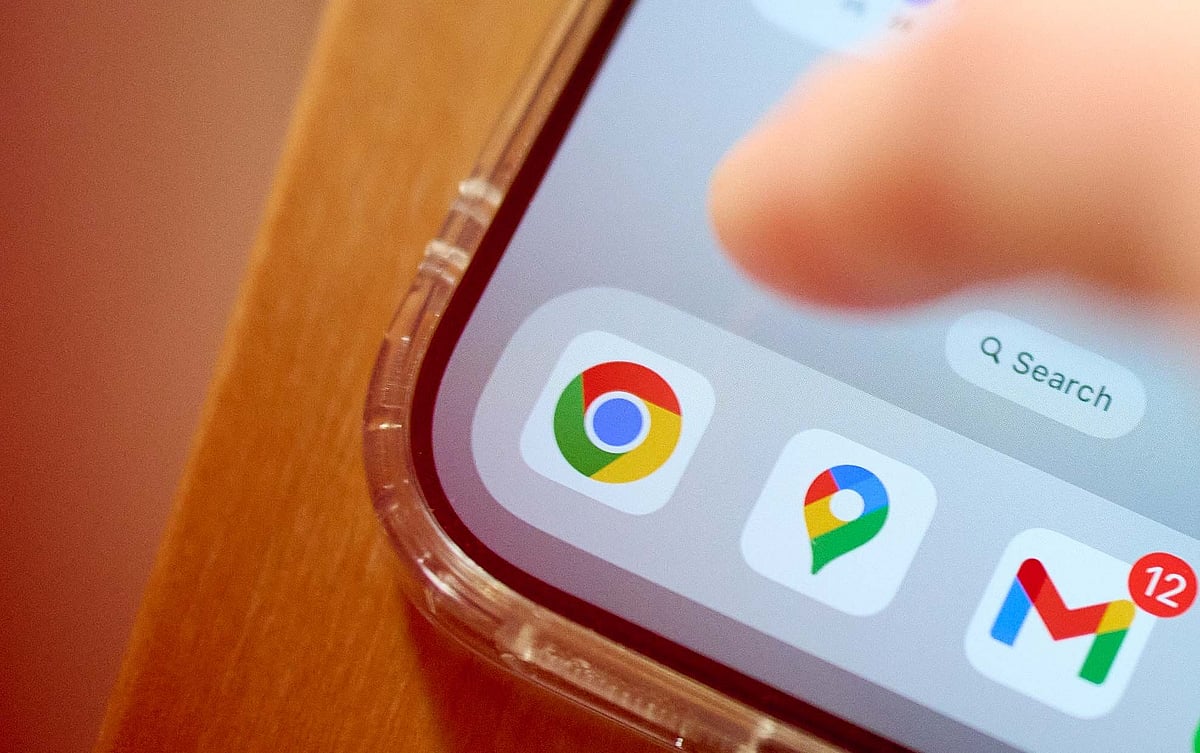
Should you ditch Chrome? Apple flags privacy threat on iPhone and Mac
Apple has issued a warning to iPhone and Mac users, urging them to stop using Google Chrome. The company emphasises that unlike Chrome, Safari protects user privacy, including shielding users from a tracking method known as fingerprinting.
Apple also cautions that Chrome isn’t the only Google app that raises privacy concerns.
What is fingerprinting?
Fingerprinting is a secretive tracking technique that combines multiple unrelated data points from a user’s device to create a unique digital profile. Unlike cookies, which allow users to opt out, fingerprinting cannot be disabled, making it especially concerning for privacy-conscious users.
Apple explains that Safari combats fingerprinting by simplifying device signals so that multiple devices appear identical to trackers, making it harder to single out individual users.
Google reverses ban, raising concerns
Digital fingerprinting has made a comeback in 2025 after Google reversed its earlier ban on the technology. This means Chrome users are once again vulnerable to tracking without the ability to opt out.
Apple and other companies, such as Mozilla with Firefox, have introduced new technology to block or mask these tracking signals.
Safari’s privacy protections
Apple highlights additional safeguards in Safari, including:
AI-based tracking prevention
Private browsing features
Defenses against location harvesting
Apple notes that Chrome does not offer comparable protection, and reassures users that Safari still works seamlessly with Google Docs, Sheets, and Slides.
Beware the wider Google ecosystem
Apple warns that Google continues to push users toward its ecosystem. For instance, Safari’s default search engine is Google, and mobile search pages often include a prompt encouraging users to switch to the Google app. Apple stresses that this app also collects personally linked data, extending the same privacy concerns as Chrome.
The takeaway from Apple: if privacy is your priority, avoid tapping prompts to download Google apps.
Apple’s message to users
Despite these warnings, Chrome remains popular with billions of users worldwide. Apple acknowledges that many people will continue to use it, but the company aims to ensure users are aware of the privacy risks, particularly on iPhones where privacy has become a key selling point.
Network Links
GN StoreAbout Gulf NewsTerms & ConditionsReach by GNSitemapContact usPrivacy PolicyGN FocusHave your sayWork with usAdvertise with usGulf News epaperPrinting Services
Download our app
© Al Nisr Publishing LLC 2026. All rights reserved.