Former Sri Lankan cricketer and captain of a winning World Cup-winning side Arjuna Ranatunga plays a shot during a friendly T20 match between the 1996 World Cup winning team members and former national cricketers in Colombo on March 19, 2016.
Dubai: Former Sri Lankan cricket captain Arjuna Ranatunga’s dramatic weight loss after bariatric surgery has sparked public interest in the procedure and raised questions about how such surgeries work, who qualifies for them, and whether they always result in major physical transformations.
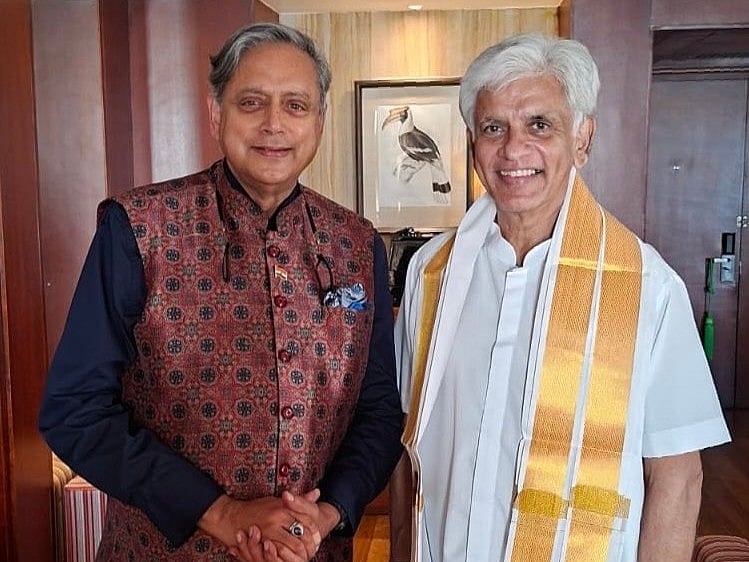
The former World Cup-winning captain recently surprised cricket fans after Congress MP and former Union Minister Shashi Tharoor shared a picture with him on X. Ranatunga appeared noticeably slimmer in the photograph, with many fans finding it difficult to recognise the cricketer who was once known for his powerful presence on the field.
Sharing the image from Colombo, Tharoor wrote, “Cricket fans might have some difficulty in recognising this former Sri Lankan cricket captain who called on me in Colombo. Yes, this is the new, svelte, post-bariatric surgery @ArjunaRanatunga!”
Tharoor also shared details of their conversation, saying Ranatunga spoke about the improvement in his fitness after the surgery. According to Tharoor, Ranatunga said he can now participate in charity matches and bat for around three hours, whereas earlier he struggled to continue beyond a few overs because of weight-related limitations.
What Is Bariatric Surgery?
Bariatric surgery refers to a group of medical procedures designed to help people with severe obesity achieve significant weight loss and improve related health conditions. It is not a cosmetic operation but a treatment that changes the digestive system and affects hunger-regulating hormones.
The most common procedures include sleeve gastrectomy, where a large portion of the stomach is removed to reduce food intake, and gastric bypass, which creates changes in the digestive process to reduce calorie absorption.
Doctors usually consider bariatric surgery for individuals with a high body mass index (BMI), especially those with obesity-related conditions such as type 2 diabetes, high blood pressure, sleep apnea, and mobility problems.
Does Bariatric Surgery Always Cause Drastic Changes?
Experts explain that results vary from person to person. Weight loss depends on factors including the type of surgery, starting weight, metabolism, diet, exercise habits, and long-term lifestyle changes. While some patients experience major transformations, others may see gradual changes over months or years.
Recovery requires commitment, including nutritional guidance, physical activity, vitamin supplementation, and regular medical monitoring. Ranatunga’s journey highlights how bariatric surgery, when medically recommended, can help improve health, mobility, and quality of life beyond appearance alone.
Network Links
GN StoreAbout Gulf NewsTerms & ConditionsReach by GNSitemapContact usPrivacy PolicyGN FocusHave your sayWork with usAdvertise with usGulf News epaperPrinting Services
Download our app
© Al Nisr Publishing LLC 2026. All rights reserved.