The architecture of taste: Modernism and the future of food in the GCC
Science, sustainability and technology are transforming what reaches the region’s tables
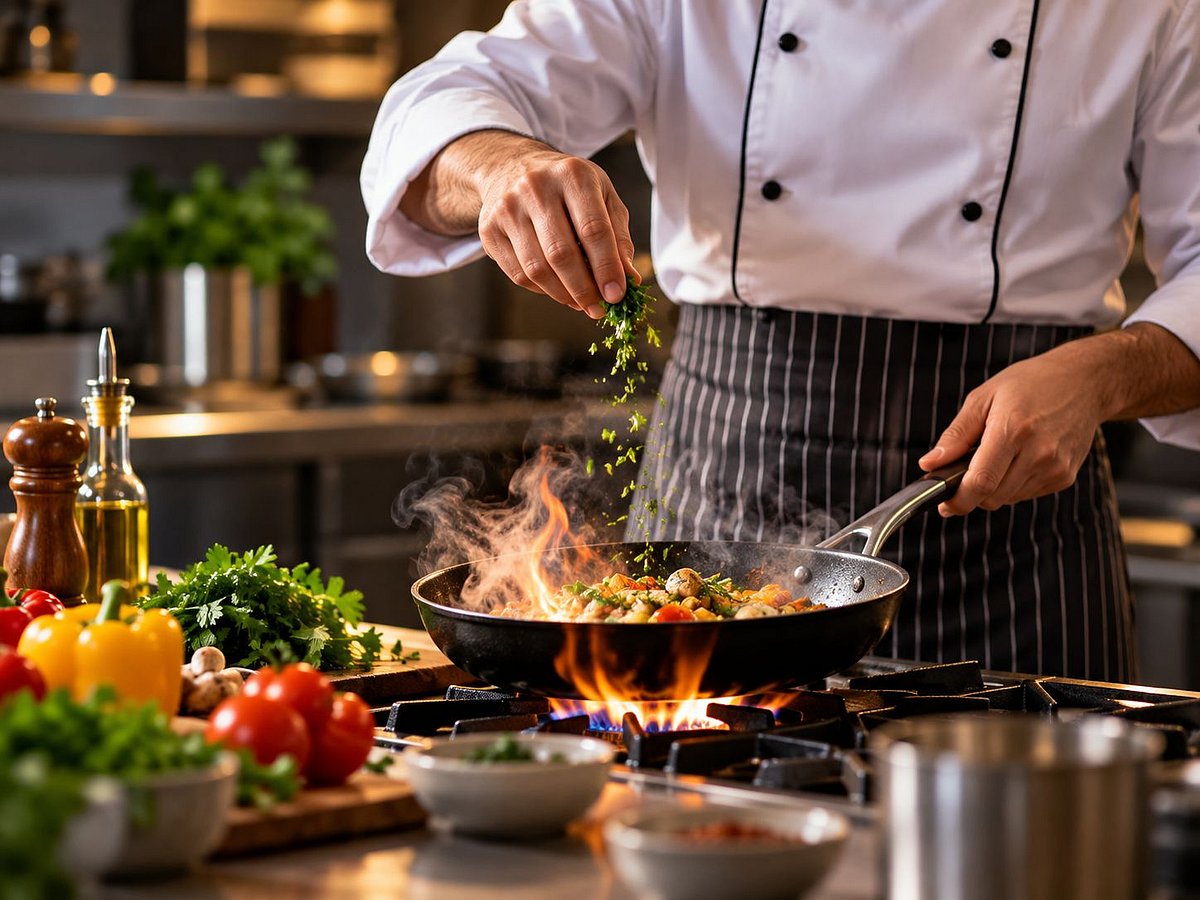
The global culinary landscape is undergoing a profound paradigm shift, and nowhere is this transformation more dynamic than in the Gulf Cooperation Council (GCC) region. As nations across the Gulf execute ambitious national visions centred on sustainability, smart cities, and technological innovation, the kitchen has ceased to be a place of mere food preparation. Instead, it has become a laboratory of modernism, where the future of how humanity experiences flavour and nutrition is actively being rewritten.
Modernism in gastronomy introduces a completely new vocabulary to the region. It moves the conversation away from geographic boundaries and traditional recipes, asking a more fundamental, forward-looking question: How do we utilise science, design, and technology to create the sustainable food ecosystem of tomorrow?
The modernist shift: Computational gastronomy and sensory design
Modernism in the professional kitchen is often misunderstood as a mere visual trend, characterised by artistic plating or dramatic presentation. However, true culinary modernism is an intellectual and scientific approach to food. It involves understanding ingredients at a molecular level to surprise and optimise the human palate.
In the premium dining sector of the GCC, we are witnessing the birth of “computational gastronomy” — the intersection of data science and culinary arts. Modernist techniques allow chefs to alter the physical states of nutrients, creating textures that dissolve instantly while intensifying flavour delivery. This advanced manipulation of sensory data ensures that the act of eating becomes a highly engineered experience, tailored to the evolving expectations of a hyper-connected, futuristic society.
Sustainability and the gastronomy of tomorrow
The future of food in the Gulf is heavily dictated by environmental realities and food security strategies. As GCC nations invest billions in AgTech, vertical farming, and hydroponics, modern gastronomy must adapt to these new source materials. The chef of the future is a vital partner to scientists and agricultural innovators. Modernist gastronomy is moving toward utilising hyper-local, climate-resilient ingredients and alternative nutrient sources. By applying modern techniques to indoor-farmed produce and sustainable proteins, the culinary industry can elevate eco-conscious ingredients into premium, luxury experiences. This not only reduces the carbon footprint of the hospitality sector but establishes a distinct, high-tech culinary identity unique to the future of the Gulf.
Functional food and the smart kitchen
As we look toward the next decade, professional kitchens in the region are transforming into highly optimised, data-driven environments. Precision technology allows for near-zero food waste by calculating exact yield metrics and maximising ingredient efficiency through advanced preservation and culinary physics.
Furthermore, the demographic shift in the GCC toward a younger, wellness-oriented population requires food to be functional. The future of gastronomy lies in dishes that are designed not only to taste extraordinary but to enhance human longevity, cognitive performance, and metabolic health.
Food is transitioning from simple consumption to a medium for advanced human optimisation.
Driving global trends
Gastronomy is a living language that must reflect the era in which it exists. The GCC is currently one of the most forward-looking regions on Earth, driven by rapid urbanisation and a relentless pursuit of global excellence.
The future of food in the Gulf is about embracing science, sustainability, and sensory innovation to propel the hospitality sector into the next century. By leading the charge in culinary modernism, the regional food industry is proving that the Gulf is no longer just a consumer of global trends, but the primary architect of the future of gastronomy.
Chef Ivan (Mahdi Dihdashti) is a Member of the World Master Chefs Society
Sign up for the Daily Briefing
Get the latest news and updates straight to your inbox
Network Links
GN StoreDownload our app
© Al Nisr Publishing LLC 2026. All rights reserved.