In the age of algorithms, societies still need places to think together
As life moves online, shared spaces for conversation and belonging become essential
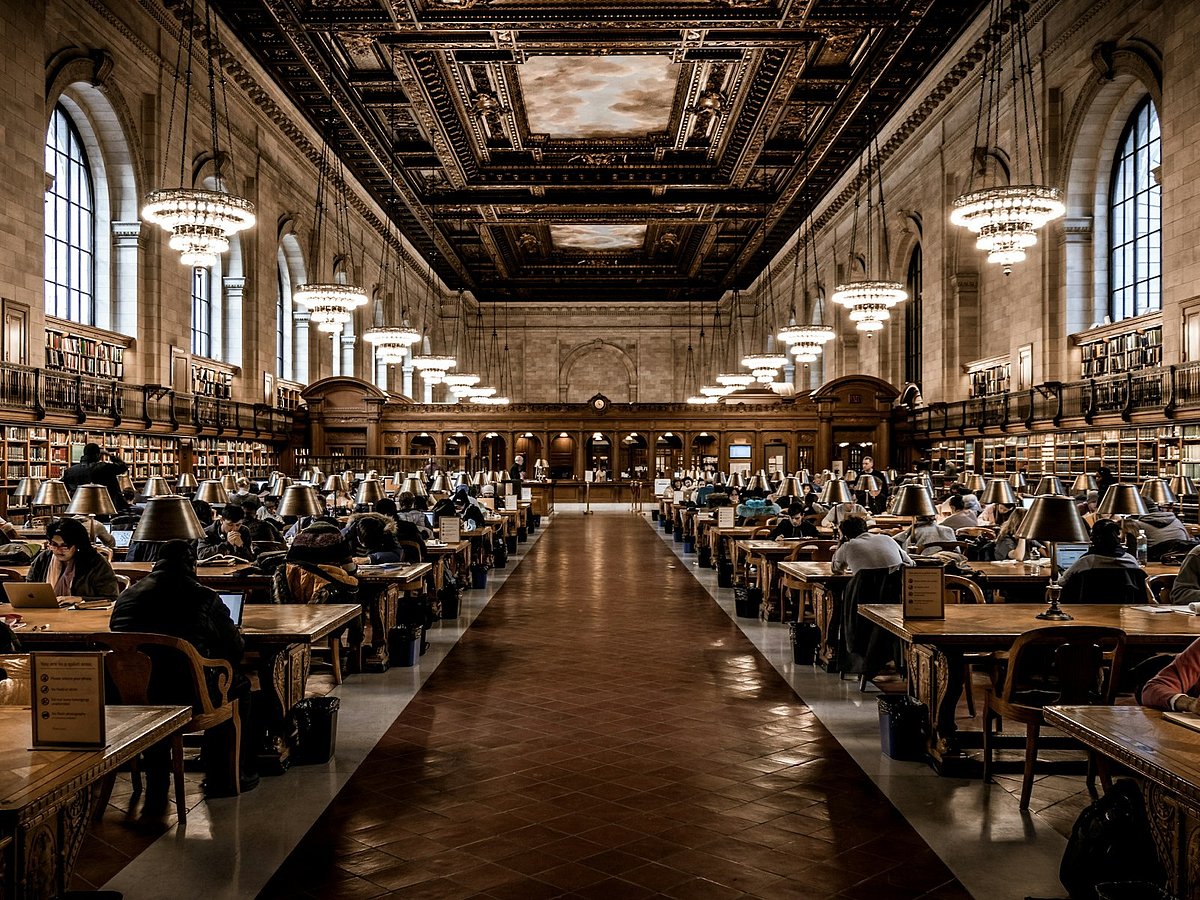
There is a strange contradiction at the centre of modern life.
Human beings today have access to more information than any generation in history. Knowledge is instant, searchable and endlessly available. We can speak to people across continents in seconds, consume ideas at extraordinary speed and carry entire digital ecosystems in our pockets.
And yet many societies are becoming lonelier, more fragmented and increasingly disconnected from shared public life.
The World Health Organisation estimates that one in six people globally experiences loneliness, now recognised as a growing public health concern with serious implications for mental and physical wellbeing. Meanwhile, urban researchers increasingly point to the decline of “third places” — public spaces beyond home and work where people gather, interact and participate in community life — as one of the quieter social shifts shaping modern cities.
This is not happening because technology has failed us. Digital tools have transformed education, creativity and access to information in remarkable ways. But as life becomes more screen-driven and algorithmically personalised, people are also searching for something technology alone cannot fully provide: spaces that allow for presence, spontaneity and collective experience.
Changing conversations
That is why the global conversation around libraries is changing.
Not because books matter less. They do not. Nor because libraries are abandoning their traditional role as guardians of knowledge. Rather, the institutions that remain culturally relevant today are those recognising that access to information is only one part of what societies now need.
People also need places to think together.
In many ways, this reflects a broader behavioural shift. After years of living through digital acceleration, people are rediscovering the value of physical spaces that encourage curiosity, interaction and belonging.
This is where places like House of Wisdom in Sharjah become especially interesting.
What makes it compelling is not that it attempts to reinvent the library by rejecting its foundations. On the contrary, its significance lies in how it expands the traditional role of a knowledge institution into something more responsive to the realities of contemporary life.
Students work alongside entrepreneurs. Children move between storytelling sessions and interactive learning environments. Visitors attend talks, exhibitions and workshops. Creators experiment inside Al Jazri FabLab. Others simply come to read, reflect or spend time in a space designed to feel open rather than intimidating.
Room for creativity
Even the building architecture reflects this philosophy. Transparency, openness and flexibility are built into the experience itself, encouraging movement, interaction and visibility instead of silence and separation. Technology exists throughout the space, but not as a replacement for human connection. If anything, it creates more room for participation and creativity.
That distinction matters.
As artificial intelligence and digital systems continue reshaping how we consume information, the value of public cultural spaces may increasingly lie not in storing knowledge, but in helping people engage with it, together.
Because in an age where algorithms can predict, personalise and optimise almost everything, what they cannot replicate is the quiet power of collective curiosity. They cannot replace the unexpected spark of dialogue, the richness of public encounter, or the simple yet profound feeling of belonging that emerges when people think, learn and discover together in the same space.
And perhaps this is why institutions like House of Wisdom — designed around human connection and shared experience — may become not less relevant, but more essential in the years ahead.
Network Links
GN StoreDownload our app
© Al Nisr Publishing LLC 2026. All rights reserved.