Elaine Fatima: "I’ve learned over the years that there’s no point working so hard if you’re constantly compromising your health. Sometimes taking care of yourself is the best investment you can make."
Abu Dhabi cost of living: ‘Never budget on your best month’ – how residents save without missing out
From prepaid cards to deal stacking: Budget hacks for living well in Abu Dhabi
Last updated:
6 MIN READ
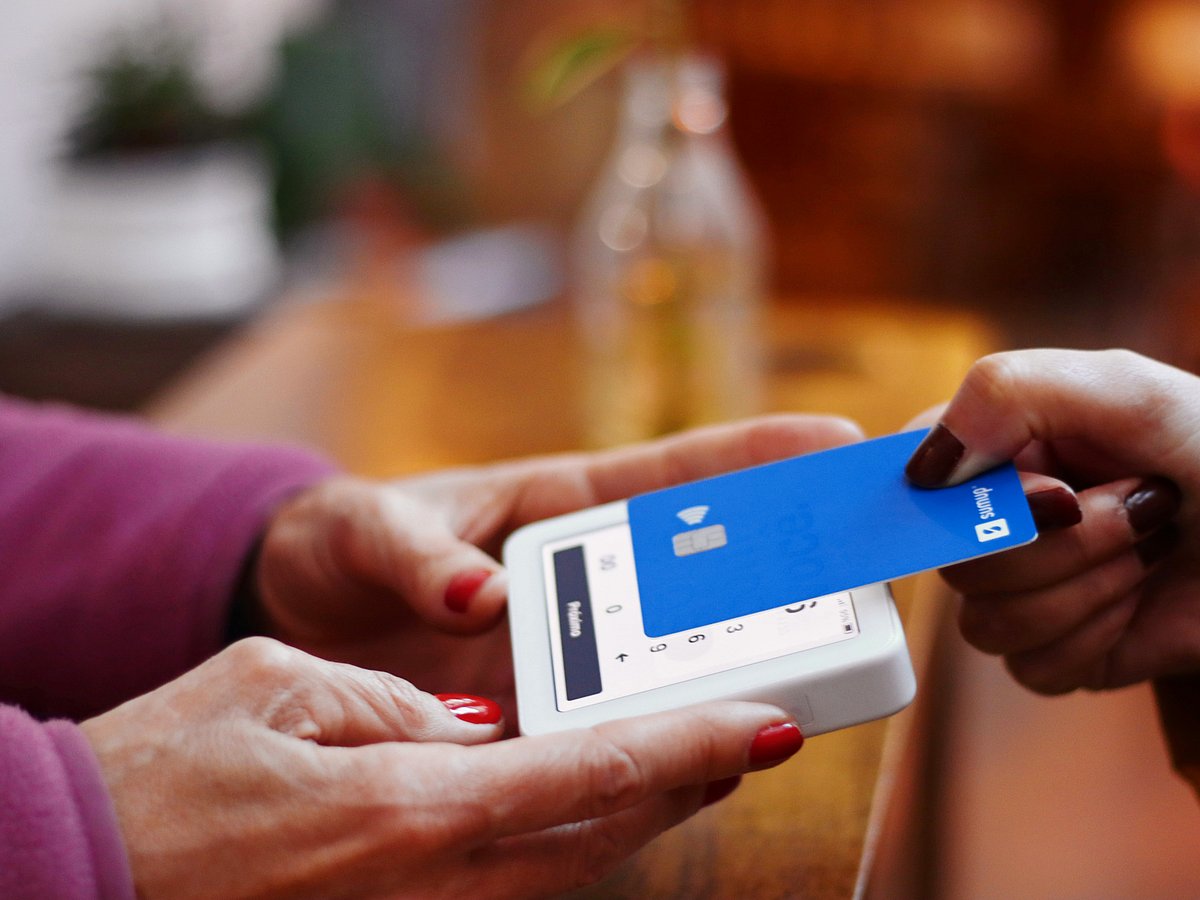
But before you start tapping your card like there's no tomorrow, take a breath.
Unsplash
Living on a budget in Abu Dhabi is a bit like ordering only the salad at a Friday brunch: technically possible, heroic, and nobody quite believes you afterwards.
The money does vanish, a little too quickly (this writer will agree, sob, sob). A casual trip to Dalma, or Abu Dhabi Mall turns into a three-hour expedition and you might just walk out with a giant Lego set, and several cute little Miniso figurines for your niece and maybe yourself too.
But that's not all: School holidays arrive with a camp brochure stapled to them. And the words 'just one more delivery order' have derailed more monthly plans than any economic forecast.
But well, talk to the people who actually live here, you get a different picture. They're eating out, travelling and treating themselves, and still reaching the end of the month with something left over. Not through luck or sacrifice, but through systems.
So, how do they manage that?
Never budget on your best month
Ellaine Fatima wears a lot of hats: content creator, makeup artist and branding consultant at Creative Media Authority. None of them comes with a fixed salary.
So, what's her advice? Well, never budget based on your best month for starters, especially when you're self-employed, as she says. "Just because you've had a fantastic month financially doesn't mean the next month will look the same."
After 37 years in the city, she has watched the cost of living shift, and as a freelancer she has ridden the peaks and troughs of seasonal work. Her answer is to avoid long-term commitments built on temporary income.
The one line in her budget that never moves is her health. "As someone who's self-employed, I don't have the luxury of paid sick leave," she explains.
Medical appointments, medication and anything that keeps her physically active are funded first. "There's no point working so hard if you're constantly compromising your health. Sometimes taking care of yourself is the best investment you can make."
And then, there's the business itself: Equipment, software subscriptions, licensing and the cushion needed for quieter months. She keeps them in check by tracking every dirham in and out and keeping a close eye on recurring payments, the subscriptions that have a habit of multiplying when no one is looking.
For fun, she sets aside roughly Dh2,000 a month, though she treats it as a guide rather than a rule because her income fluctuates. Essentials come first, and what's left goes to good meals and catching up with friends. "You don't necessarily have to spend a fortune to enjoy Abu Dhabi," she says. "Sometimes it's about finding the right places or hidden gems."
Her win: Ditching impulse purchases. She still treats herself, but only to things that genuinely add value. "It's funny," she says, "because sometimes spending less actually makes you appreciate what you already have a lot more."
One card to rule them all
For Dior Ezdine, the consultant founder of The Signature Room, a mum in a family of four with children aged five and seven, the secret weapon fits in a wallet. The family loads a fixed amount each month onto a separate digital card that covers everything domestic: groceries, fuel, food delivery, entertainment and dining out. When the card runs dry, so does the spending.
"We can actually see what we spend when the amount is separated in a different card," she says, "And we quickly assess where it is worth spending our budget every week."
Apart from discipline, it gives the family a month-by-month picture of which part of life is taking a bigger slice.
The visibility matters, because family spending is seasonal. In a regular month, entertainment costs around Dh800. During school holidays, with camp registrations and day passes, it can climb to Dh,2000.
Shopping, meanwhile, is governed by what Dior calls the household's "Double S" rule: buy only Second-hand or in the Sales. Parents included. Abu Dhabi's many sale seasons are when the family stocks up on clothing, home appliances and back-to-school buys.
The biggest bill after rent is school fees, and Dior is matter-of-fact about them: the cost depends on the school you pick and whether you add the bus. Her strategy is to clear each trimester in one go, upfront, so the fees aren't hanging over the day-to-day budget.
Her favourite piece of maths involves a discount app that costs Dh600 a year and offers deals of up to around 50 percent. The family books restaurants, beauty treatments and even hotel stays through it, saving more than Dh5,000 a year, money that gets redirected into travel. It all comes back to one question she asks herself often: "Do I really need to spend full price money for this?"
Usually, she says, the answer is no.
Urmila Santosh: All discretionary spending, from meals to entertainment, stays under Dh1,000 a month, and she describes even that figure as "on the higher side.
Budget for the fun, then stack the deals
"We have no pressure to keep up with the Joneses," says Urmila Santosh.
Urmila takes the opposite approach to most budget advice: Rather than cutting what she loves, she plans for it. Her household enjoys eating out, mostly at casual spots, so dining gets its own line in the budget. "Since costs can add up quickly, we budget for that and plan accordingly," she says.
It helps that nobody at home is an impulse shopper. All discretionary spending, from meals to entertainment, stays under Dh1,000 a month, and she describes even that figure as "on the higher side."
Her biggest expense after rent is groceries and home essentials, and here she plays two games at once. Non-perishables are bought in bulk. Fresh items, such as vegetables, bakery goods and dairy, are bought wherever the best deal happens to be that week.
Where Urmila really shines is in stacking. Rather than relying on a single membership, she rotates between Fazaa, The Entertainer and the dine-out offers on Talabat and Careem, which between them run promotions all year round. On top of that, she collects credit card points and signs up for shopping reward programmes
Pay yourself first
Abishek Hemraj, who has spent over 15 years in finance and is building his own luxury brand, says that his first bill of the month isn't rent or groceries. It's himself. Savings and investments leave his account the day his salary lands, even in a tight month.
"I'm building a cushion for my future, and I've seen how hard life gets for people who start saving late," he says. "It gives me options." Right now, those options mean exploring new avenues and spending quality time with his toddler without worrying about how he'll get through tomorrow. It's also why he preaches the habit to young people.
His framework is the classic 50/30/20 rule: 50 percent of take-home pay for needs, 30 percent for wants, 20 percent for savings and investments. "It's simple enough for a 20-year-old to start with and flexible enough to adjust as life changes," he says.
The 30 percent covers dining out, travel, hobbies and subscriptions, and he spends it without apology. "A set limit means you can spend without guilt, and that's how budgeting sticks."
Needs are managed on an annual rather than monthly basis. Groceries, utilities, transport and insurance get a yearly budget. If one month runs over, he trims the next so the year balances out.
Having grown up in the UAE, he knows the city's biggest temptation intimately. "There are endless choices, and Friday dinner out was almost automatic," he admits, especially with vouchers in hand. Now dining out has a fixed budget the family sticks to, and celebrations are treated as one-offs rather than part of the routine.
The real luxury is knowing your numbers
Four households, four very different systems: a freelancer who plans for her leanest month, a family who runs life off one prepaid card, a deal-stacker who never pays full price for dinner, and a saver who pays his future self before anyone else. Yet, they look at how to choose well.
Ellaine, who has watched the capital transform over nearly four decades, puts it best. "You can enjoy a really good quality of life here without constantly keeping up with everyone else's lifestyle," she says. "It's about understanding what you can afford, knowing your priorities, and finding a balance that works for you."
The brunch will still be there. So will the sales, the vouchers and the shiny new restaurant opening next Thursday. The trick is making sure your budget is still there too.
Network Links
GN StoreAbout Gulf NewsTerms & ConditionsReach by GNSitemapContact usPrivacy PolicyGN FocusHave your sayWork with usAdvertise with usGulf News epaperPrinting Services
Download our app
© Al Nisr Publishing LLC 2026. All rights reserved.