Hassan Safi, Group CEO, Al Ain Farms Group
World Egg Day: Fresh opportunities hatch across UAE farms
UAE egg producers are strengthening food security and transforming everyday consumption
Last updated:
5 MIN READ
Al Ain Farms Group
An egg on the breakfast table may seem ordinary, but behind that familiar staple lies an industry with an increasingly important role in the UAE’s future. From high-tech poultry farms and sophisticated quality control systems to evolving consumer preferences and national food security ambitions, the business of producing eggs is undergoing a transformation.
As World Egg Day puts the spotlight on one of the world’s most versatile foods, the UAE has plenty of reasons to celebrate. Eggs are affordable, nutrient-rich and adaptable to almost every cuisine. More importantly, their local production represents a vital link between agricultural innovation, consumer wellbeing and the country’s ambition to build a more resilient food ecosystem.
Across the Emirates, poultry producers are navigating an evolving marketplace where freshness, nutritional value, affordability and sustainability increasingly influence purchasing decisions. At the same time, producers must manage rising operational costs, changing environmental conditions and growing expectations around product quality.
The result is an industry where innovation matters as much as production volume, and where the humble egg is becoming an important symbol of agricultural progress.
The UAE’s commitment to strengthening domestic food production has brought renewed attention to the poultry sector. While the country continues to depend on international trade for a wide range of food products, expanding local agricultural capabilities remains an important component of its long-term food security strategy.
Food security starts locally
Egg production is particularly relevant because it provides a regular supply of an essential household product. Local farms can respond to market demand, support distribution networks and reduce dependence on imported finished products.
However, building a resilient egg industry involves more than increasing the number of laying hens. Producers must ensure consistent quality, reliable access to feed, effective disease prevention and efficient transportation from farms to retail shelves.
Modern poultry operations increasingly depend on controlled environments where temperature, ventilation, lighting and nutrition can be carefully managed. These systems are especially important in the UAE, where extreme summer temperatures create additional challenges for livestock management.
Technology is helping producers maintain consistent conditions while improving productivity and animal welfare. Automated feeding systems, environmental monitoring and digital production records can provide valuable information for managing operations and identifying potential problems before they affect output.
For the UAE, such investments also contribute to a broader ambition: developing agricultural expertise and infrastructure capable of supporting long-term economic diversification.
Yet domestic production cannot eliminate every vulnerability. Imported feed ingredients, energy requirements and international supply chain disruptions remain important considerations. Strengthening resilience therefore requires a combination of local investment, international partnerships and responsible resource management.
Nutrition drives consumer choices
The appeal of eggs extends far beyond convenience. They provide high-quality protein and contain important nutrients, including vitamin B12, choline, selenium and other vitamins and minerals that contribute to a balanced diet.
Their versatility also makes them particularly relevant to the UAE’s multicultural population. From traditional Emirati breakfasts and Indian curries to European baked dishes and Asian specialities, eggs feature prominently in countless culinary traditions.
As awareness of nutrition grows, consumers are becoming more interested in the foods they choose and the benefits those foods provide. Protein intake, balanced meals and convenient sources of essential nutrients are increasingly prominent considerations in everyday eating habits.
Eggs fit naturally into these conversations because they can be prepared in numerous ways, require relatively little cooking time and complement a wide variety of ingredients.
They also offer practical value for families looking to balance household food budgets with nutritional needs.
However, consumer expectations are becoming more sophisticated. Shoppers are paying greater attention to product freshness, packaging information, expiry dates, storage conditions and production practices.
Some consumers are also exploring different egg sizes, production systems and nutritional characteristics, creating opportunities for greater product differentiation.
For producers, the challenge is to communicate quality and nutritional benefits clearly without losing sight of affordability. The wider opportunity lies in encouraging informed purchasing decisions while reinforcing the importance of eggs within a varied, healthy diet.
Technology reshapes the farm
Behind every carton of eggs is an increasingly sophisticated production process.
Poultry farming today involves a combination of agricultural knowledge, veterinary expertise, engineering and data-driven management. Advances in these areas are helping producers improve consistency, manage resources and maintain product quality.
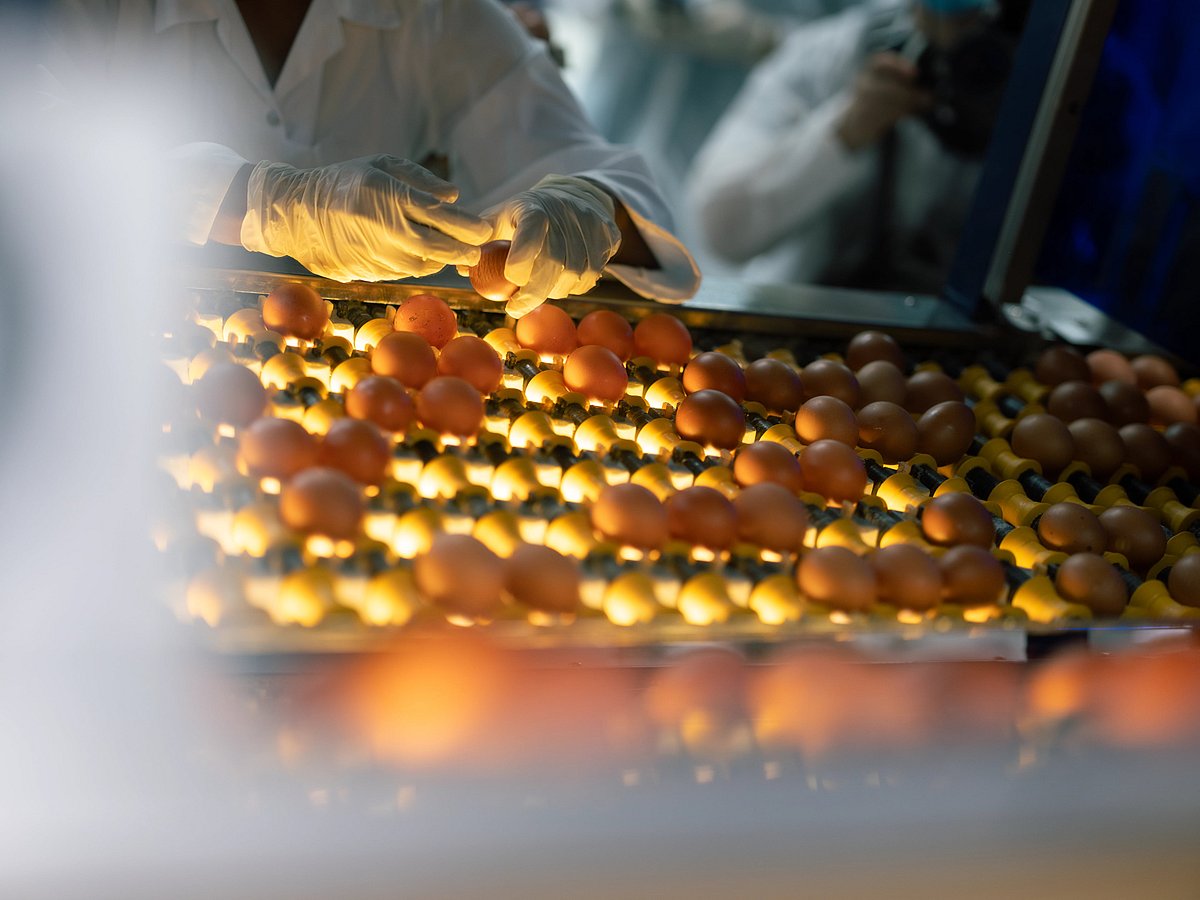
Automation can streamline activities ranging from feeding and egg collection to grading and packaging. Modern sorting equipment can classify eggs according to size and quality, while monitoring systems help maintain appropriate conditions throughout production.
Digital traceability is another area of growing importance. Better production records can support quality assurance, inventory management and more efficient responses to potential food safety concerns.
For established producers such as Al Ain Farms Group, the focus extends beyond production efficiency to strengthening food security, investing in food science and meeting the evolving nutritional needs of UAE families.
Highlighting the importance of innovation, responsible production and consumer trust, Hassan Safi, Group CEO, Al Ain Farms Group, says, “Eggs are one of the most complete sources of protein a family can put on the table. Producing them, as well as enriching them through added value innovation in the UAE, is part of how we support the country’s food security and ensure a consistent, fresh source of nourishment for its communities. For decades, people continue trusting our brands, and we have a responsibility to continue earning that trust as the consumer needs evolve. We are investing in capability, food science and responsible production to give families greater choice without compromising the quality and trust they expect. This investment goes hand in hand with expanding local production, so the country’s ability to feed itself grows with the needs of its people.”
Technology also has a critical role in addressing environmental pressures. Energy-efficient equipment, improved water management and better waste-handling practices can help farms manage their environmental footprint.
In the UAE’s climate, efficient cooling and ventilation are particularly important. Producers must balance the need to maintain suitable conditions for birds with the energy demands associated with controlled-environment agriculture.
These challenges are encouraging a more integrated approach to farm management, where productivity, animal welfare, resource efficiency and financial sustainability are considered together.
Cracking the next growth opportunity
The future of the UAE’s egg industry will be shaped by how effectively producers respond to changing market conditions. Population growth, hospitality demand, expanding foodservice operations and increasing interest in convenient, protein-rich foods all create potential opportunities for the sector.
Hotels, restaurants, bakeries and catering businesses require reliable supplies of eggs, making commercial demand an important complement to household consumption.
Meanwhile, consumers are showing greater interest in product transparency, responsible sourcing and consistent quality. Producers that can demonstrate these attributes may be better positioned to build long-term loyalty.
Sustainability will remain a significant consideration. More efficient packaging, reduced food waste, responsible resource consumption and improved logistics could help strengthen both environmental performance and commercial competitiveness.
Collaboration between producers, retailers, policymakers and agricultural researchers could help accelerate progress, particularly in areas such as animal health, feed efficiency and sustainable farming technologies.
World Egg Day provides an opportunity to recognise the industry’s achievements while looking towards the challenges ahead. And as local producers continue to invest in the next generation of farming practices, the country’s egg industry has every reason to look beyond the breakfast table and towards a future of sustainable growth. ■
Sign up for the Daily Briefing
Get the latest news and updates straight to your inbox
Network Links
GN StoreAbout Gulf NewsTerms & ConditionsReach by GNSitemapContact usPrivacy PolicyGN FocusHave your sayWork with usAdvertise with usGulf News epaperPrinting Services
Download our app
© Al Nisr Publishing LLC 2026. All rights reserved.