UAE housing market transforms as long-term residents and diverse buyers redefine demand
UAE real estate evolves as buyers prioritise long-term living and well-planned communities
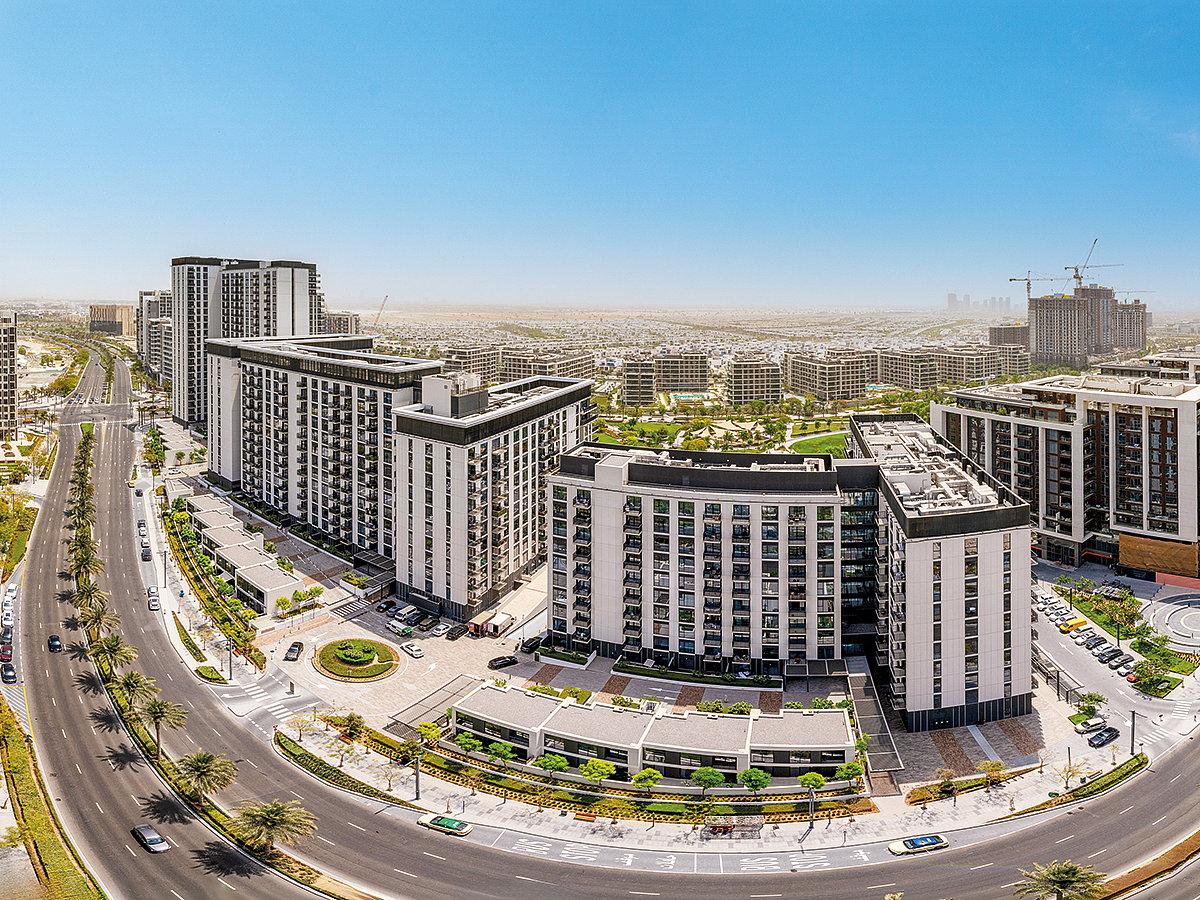
When I arrived in the UAE over 20 years ago, many residents came expecting to stay for two or three years. Today, many are buying homes their children will grow up in.
This is more than a sentiment shift, but a structural change reshaping how the UAE plans, finances and delivers housing. The new buyer profile is more rooted, more analytical and far more diverse than the one that dominated in the 2010s.
First time buyers are stepping forward
Expectations about life in the UAE have changed. For many residents, what once felt temporary has become long-term, and homeownership has become the clearest expression of this shift.
This movement is grounded in practical drivers. Longer-term visas now offer stability that did not exist before. Rising rents have encouraged more tenants to reassess the value of owning. Developers are bringing forward communities tailored to the needs of mid-income professionals who seek liveability over luxury.
Across the market, the profile of the typical buyer has widened noticeably. Teachers, engineers, nurses, entrepreneurs and mid-level managers are now part of the ownership conversation, signalling a deeper structural transformation rather than a cyclical trend. Their priorities differ from traditional high-end buyers. Community facilities, school access and predictable service charges carry more weight, supporting rising demand for well-planned mid-market communities.
International buyers are more varied in their motivations
Global demand remains a powerful force, but buyer motivations have evolved. Individuals from Europe, Asia and Africa are no longer focused solely on holiday homes or short-term rental yield. Increasingly, they see the UAE as a stable and transparent jurisdiction at a time when uncertainty is growing elsewhere.
Dubai’s high-value transactions still capture global attention, but the story extends beyond the emirate. Freehold zones in Sharjah, masterplans in Abu Dhabi and new waterfront communities in the Northern Emirates are drawing international interest from buyers who prioritise long-term value, sustainability and well-run communities.
Developers are responding to clearer buyer priorities. They have adjusted quickly to this behavioural shift. The era in which a single housing model could serve every buyer is fading, because purchasers have become more selective, data-aware and value-conscious.
Recent launches reveal clear patterns. Functional layouts that support everyday routines, including hybrid working and family life, are outperforming properties with high design. Neighbourhoods offering walkable access to parks, shops and essential services continue to outshine isolated towers dependent on car travel.
Developers that align with these preferences are gaining an advantage, while others relying on excessive amenities or complex service structures face a tougher reception. The market is meaningfully more informed than it was even five years ago.
The ripple effect on the market
The consequences of these shifts reach far beyond quarterly sales figures. A larger base of resident homeowners encourages long-term decision making, and supports community stability. International investors add liquidity and reinforce the UAE’s reputation as a well-connected, global hub. Developers that recognise this more nuanced mix of expectations can answer demand that was previously left underserved.
This direction aligns with national economic goals. A population that feels anchored and invested in the country supports talent retention, social cohesion and diversified growth, which are all central to the UAE’s future economic model. Housing plays a central role in these outcomes.
Why understanding buyer signals matters
A broader, more committed buyer pool brings deeper stability to the market. When residents and global investors participate with long-term intent, demand becomes more predictable, less speculative and more resilient to external factors.
Developers that recognise this shift are already adjusting their product mix and community planning to reflect how people actually want to live now – not how they lived a decade ago.
Knight Frank’s Prime Residential team is in daily conversation with clients and prospective buyers, tracking the preferences that genuinely influence decisions. This includes the renewed desire for neighbourhood character, the return of practical layouts, and a growing interest in homes that support family life with ease. Our job is to help clients anticipate these needs early, and plan with confidence.
The UAE is entering an era defined by ownership rather than transience. Those who plan with this in mind will help create communities that are relevant, resilient and valued for many years to come.
Dubai’s high-value transactions still capture global attention, but the story extends beyond the emirate.emirateDNeighbourhoods offering walkable access to parks, shops and essential services continue to outshine isolated towers dependent on car travel.
Network Links
GN StoreDownload our app
© Al Nisr Publishing LLC 2026. All rights reserved.