Karen Yepthomi, Owner and Chef, Dzukou Tribal Kitchen in New Delhi.
GN FOCUS
Reviving forgotten flavors: The rise of hyperlocal Indian cuisines
India’s indigenous food stories rise from kitchens long left out of mainstream dining
Last updated:
5 MIN READ
When it comes to eating Indian fish-based dishes, most people enjoy coastal preparations – fried king fish, or prawns – fish tikkas, or mustard fish from Bengal, usually made with rohu, if one is slightly adventurous. Those who like to keep up with food trends will wax eloquent about the Assamese masor tenga or a delicious bombil fry. But have you heard of Nga Atoiba Thongba, the celebratory Meitei fish curry cooked with freshwater fish and native Himalayan herbs? What about the Koli dish of mandeli masala, where golden anchovies are the star, or a curry of tapioca and pearl spot fish that’s unique to Kerala, or even hay-smoked mackerel native to Goa?
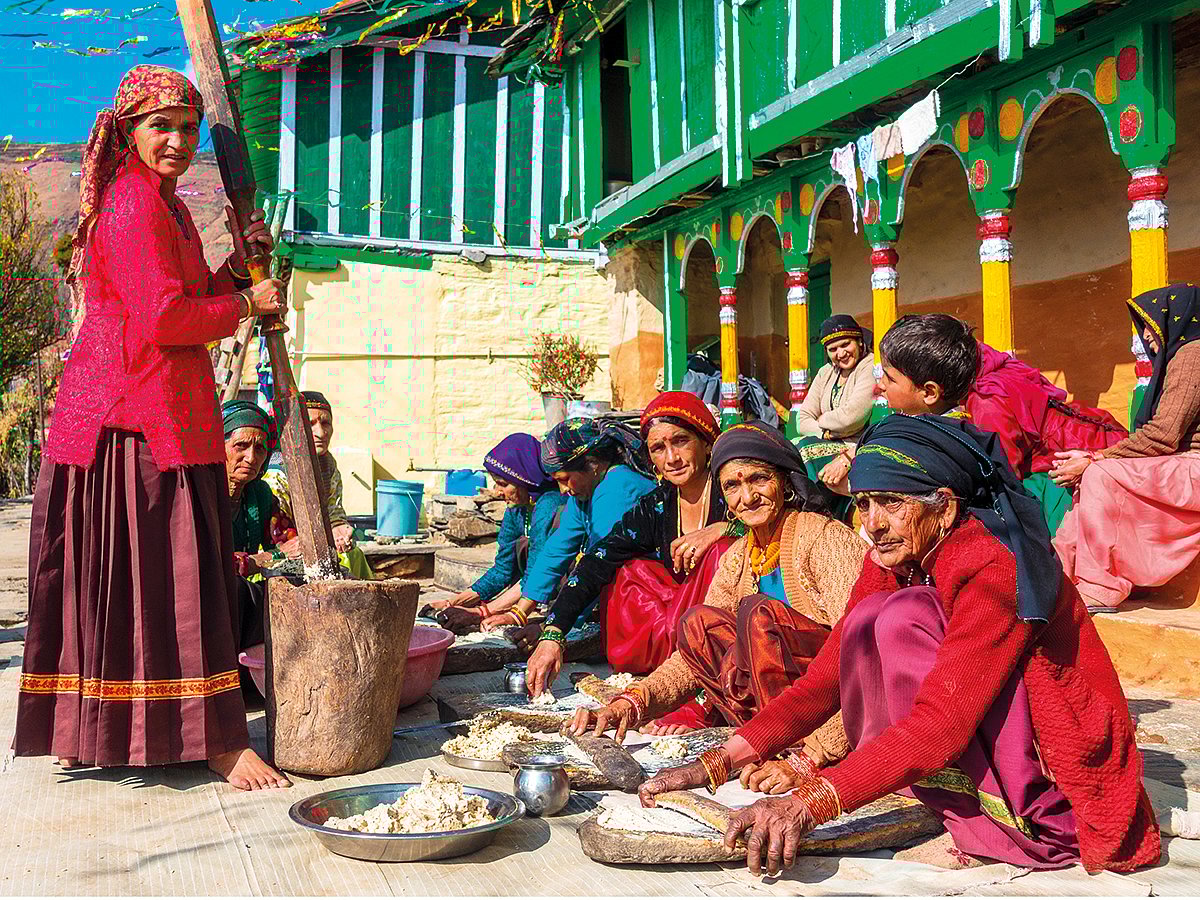
In a country where cultures and communities shift every 100 kilometres, the Indian food scene is riding a microcuisine wave with restaurants, pop-ups, chefs, home cooks, food enthusiasts, archivists and writers highlighting hyperlocal dishes, traditions and ingredients and trying to preserve them. From dying recipes to unique home food that rarely travels beyond the four walls, foraged vegetables unheard of and more, the sheer diversity of Indian food is finally being acknowledged.
“This isn’t a trend, it’s a movement,” says Thomas Zacharias, formerly of The Bombay Canteen and Founder of The Locavore, a dynamic food platform that works to preserve and uplift indigenous food and agricultural traditions and communities.
“A lot of things are happening simultaneously – microcuisines in dining spaces, regional festivals, pop-ups, food content creators gaining popularity, and home delivery brands offering access to different types of regional food. Now that it’s in motion, I don’t think we are suddenly going to forget about local food.”
Not just nostalgia
Microcuisines are sub-regional or hyperlocal food traditions that do not feature in mainstream dining narratives but are representative of India’s diverse communities and regional specificities, climate, geography, and socioeconomics. They are stories – of a place, its people, its environment and how it has adapted to climate change, migration, cultural changes and even urbanisation. The preservation of these stories through food is the essential fuel driving the microcuisine movement across India.
“When food is rooted in memory, community, and landscape, it naturally lasts,” says Karen Yepthomi, Owner and Chef of Dzukou Tribal Kitchen in New Delhi.
“For us, the goal isn’t reinvention, it’s continuity – making sure these food traditions continue to be cooked, talked about, remembered and carried forward in a meaningful way.”
Much of what Dzukou has introduced in its restaurant comes from microcuisines of the Northeast India that traditionally exist outside restaurants — home kitchens, village feasts, forest camps, and seasonal rituals. These include lesser-known smoked meats and fish, indigenous fermented preparations, foraged greens, heirloom rice dishes, and cooking techniques. Think smoked meat or fish with axone or fermented soybean, bamboo shoots, anishi or perilla seeds, vegetable dishes such as rosep aon, and sides such as eromba.
Preservation with purpose
Other regional and hyperlocal cuisines are finding popularity in the fine dining space thanks to promising chefs such as Vanika Choudhary, Niyati Rao, Avinash Martins, Nilza Wangmo, Amninder Sandhu and more. For instance, Sanithra and Kaushik Raju of Tijouri in Bengaluru wanted to safeguard recipes passed down by grandparents and home-cooked dishes when they decided to host microcuisine pop-ups at the restaurant.
“We thought of the food we grew up eating and realised we barely cook even half of it, and because we didn’t show interest then, so many recipes are now gone,” says Sanithra. “It’s really important to document the food we grow up with because there’s so much out there, especially in India.”
Since its launch in 2024, Tijouri has hosted pop-ups featuring Garhwali, Kathiawadi, Kongu Nadu, Bihari, Kolhapuri and Kashmiri Pandit cuisines. A couple of dishes from each pop-up goes into their a la carte menu as well, along with details about the home chef and the story behind the food.
Sanithra Raju, Founder, Tijouri
“We really do want to push very nuanced micro regional cuisines,” says Sanithra. “We want to push foods [chefs] have grown up eating, or dishes their aunts, uncles, mothers or grandmothers have taught them or made for them.”
With The Locavore, Zacharias is running a multipronged endeavour to ensure India’s micro food traditions are highlighted, represented and documented. This includes not just intense online and social media engagement, but also publishing recipes, articles and cookbooks, pushing festivals and local food clubs, building community and supporting farmers and fisherfolk.
“I think what we’ve managed to do is to show people there’s more than what meets the eye,” says Zacharias. “There are now conversations around cuisines from the northeast, indigenous forest food across the country, coastal and fishing communities, millets, food cultures, and everyday cooking that usually doesn’t get glamourised.”
Thomas Zacharias, Founder, The Locavore
For instance, Locavore is currently working on the Mumbai Koli project, which not only builds conversations around sustainability but also highlights inclusivity and native recipes of a staggering variety of fish. These recipes are being collated to create a Koli cookbook. The Locavore also champions the Wild Food Festival every monsoon in Mumbai, which brings together tribal and Adivasi communities of Maharashtra to showcase over 200 varieties of wild vegetables that grow within 100 kilometres. And with the Local Food Club, members in different cities come together one Sunday every month to learn about local foods, share meals at a potluck, and exchange stories about foods that are part of one’s heritage and history.
“There’s something very visceral about eating together,” says Zacharias. “It’s really important for us to celebrate the diversity of what we have, and a starting point could be appreciating other cuisines and communities with curiosity and humility.”
Sign up for the Daily Briefing
Get the latest news and updates straight to your inbox
Network Links
GN StoreAbout Gulf NewsTerms & ConditionsReach by GNSitemapContact usPrivacy PolicyGN FocusHave your sayWork with usAdvertise with usGulf News epaperPrinting Services
Download our app
© Al Nisr Publishing LLC 2026. All rights reserved.