Dubai's blueprint for intergenerational wealth: Building legacy beyond assets
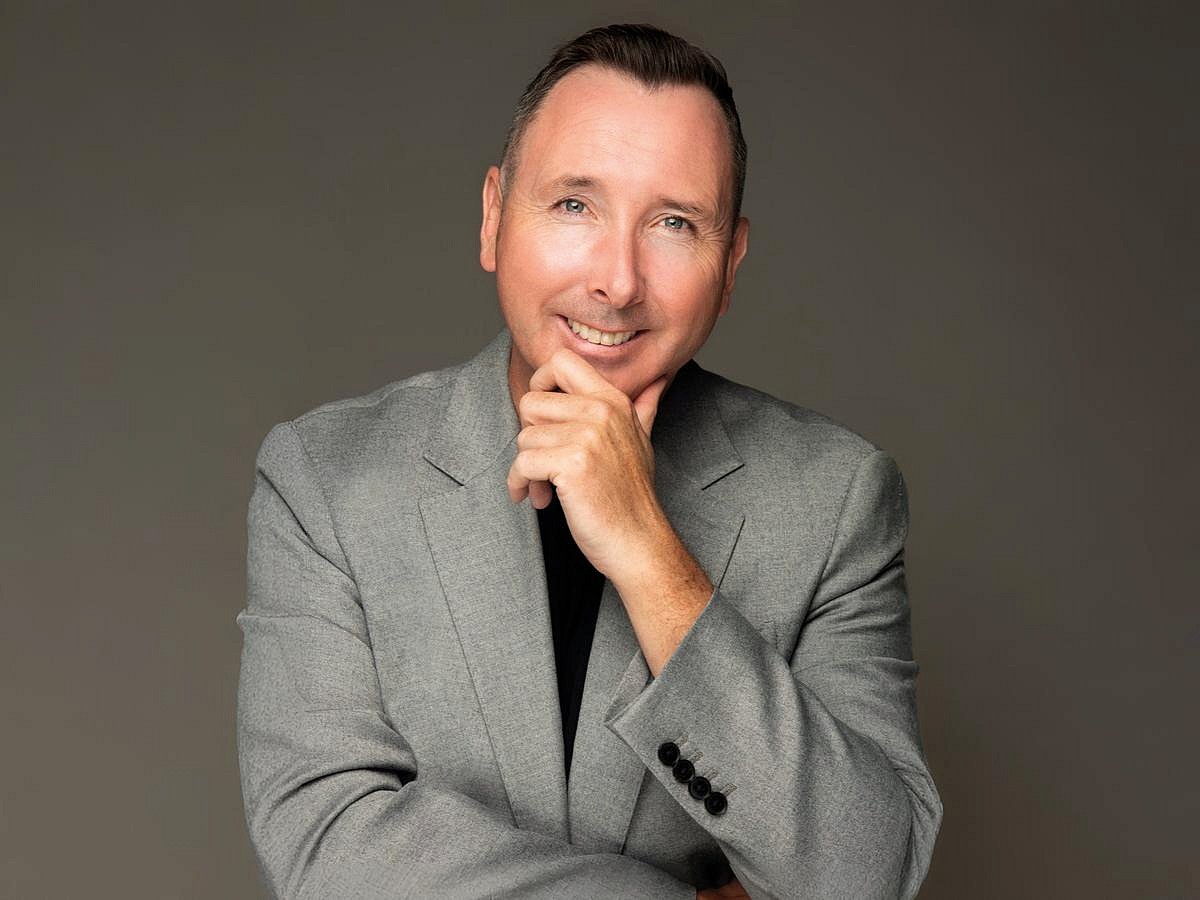
John Hanafin talks about building intergenerational wealth in the Middle East
What does legacy mean in today’s world of wealth?
Legacy is not what you leave behind, it is what you build that continues to inspire. In the Middle East, families are shifting from wealth accumulation to continuity, preserving prosperity, values, and identity for generations, not just decades.
Why is the UAE at the forefront of family wealth planning?
The UAE combines modern financial infrastructure with cultural heritage, making it a magnet for global families. From DIFC family offices to RAK ICC foundations, the region offers legal structures, tax efficiency, and operational freedom that allow families to consolidate assets while safeguarding their influence across generations. Dubai is no longer just a place to live, it’s a place to last. Its infrastructure is designed for families thinking in centuries, not seasons.
How do families in the Gulf structure wealth for longevity?
Gulf families increasingly adopt governance frameworks, trusts, and succession tools. I will emphasise that legacy is less about control and more about clarity: creating systems that preserve capital while maintaining family cohesion.
Key pillars of UAE leadership in legacy planning:
Legal frameworks – foundations, trusts, and family offices with regulatory support
Strategic location – Dubai as a bridge between East and West
Visionary environment – leadership that actively promotes generational continuity and responsible wealth
Is lifestyle now part of the legacy equation?
Absolutely. Beyond financial assets, families invest in education, wellness, culture, and art, recognising that lifestyle itself is a long-term inheritance. I help curate property, art, and timepieces that carry meaning across generations: A home, a painting, or a watch can carry the essence of a family. They remind future generations not just of what was owned, but what was loved.
How is the new generation of heirs changing the approach to wealth?
Young successors are digitally native, globally educated, and impact-conscious. They seek portfolios that reflect performance and purpose, from sustainable real estate to philanthropic ventures.
Forward-thinking families now implement:
Private family constitutions for aligned decision-making
Impact investment vehicles with measurable ESG outcomes
Educational endowments and curated cultural collections
The next generation sees wealth as a platform, for innovation, expression, and contribution.
What’s the role of trust and governance in lasting wealth?
Effective legacy planning requires trust, in people, structures, and vision. Whether through foundations, family offices, or multi-jurisdictional holdings, integration is key: legal, tax, and emotional realities must work together. I help families blend asset protection, governance, and education to ensure each generation understands its purpose and potential.
What’s the ultimate secret to intergenerational continuity?
Money alone doesn’t build continuity, mindset does. Families that endure invest in communication, education, and shared vision as deeply as they do in capital markets. The greatest inheritance is not assets, but awareness. It’s the ability of each generation to build upon what came before — guided by purpose, not pressure.
For more information email the writer at ask@johnhanafin.com
Sign up for the Daily Briefing
Get the latest news and updates straight to your inbox
Network Links
GN StoreDownload our app
© Al Nisr Publishing LLC 2026. All rights reserved.