“Leadership in early childhood means being present, consistent, and values driven. When educators feel supported and empowered, children thrive,” says Nouhad Doughan, Founder and Owner, Kids Spot Nursery.
GN FOCUS
Crucial role of early childhood education in building confident learners
From birth to age 5 is widely recognised as the most critical phase of child development
Last updated:
4 MIN READ
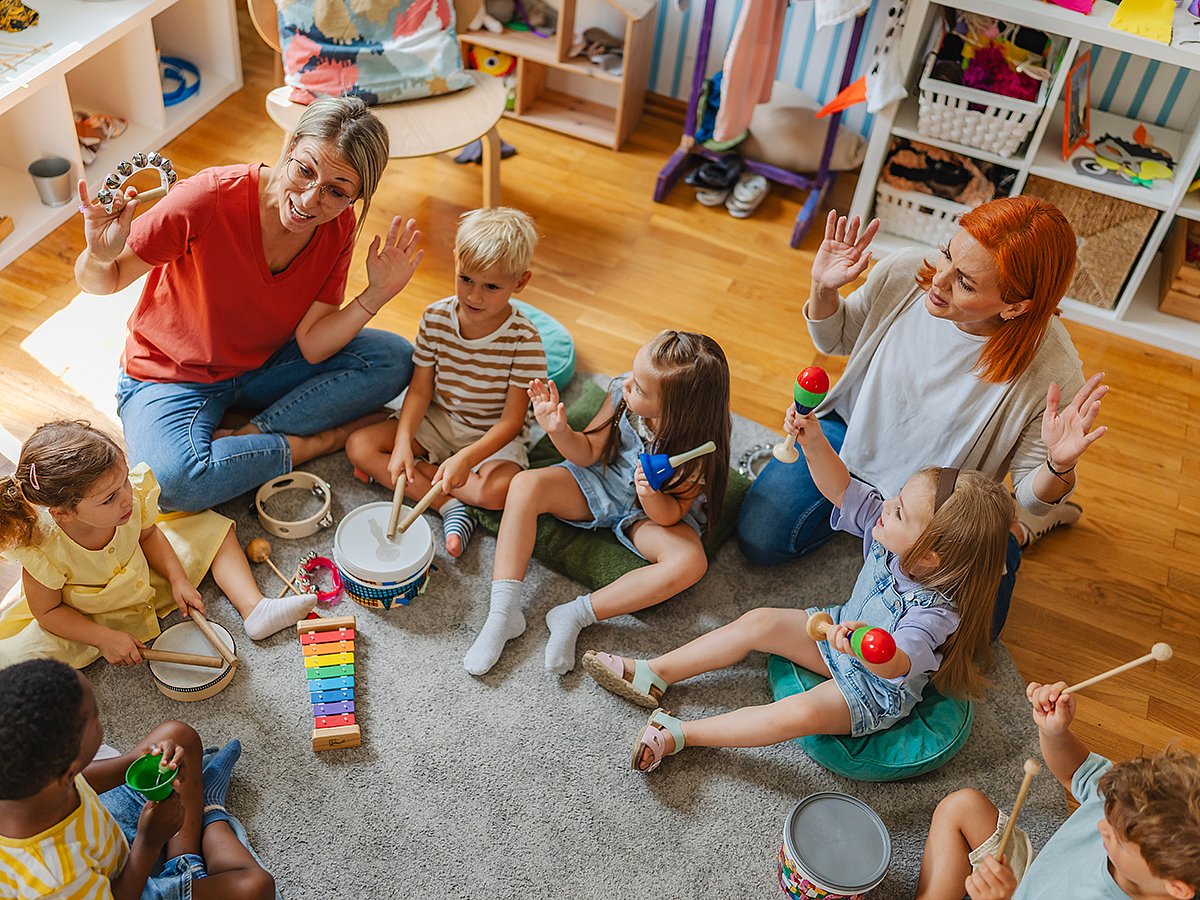
The earliest years of childhood lay down the base for how children learn, behave and connect with others. This is when the brain is developing at its fastest and when daily experiences matter most.
Studies have shown time and again that children who experience high-quality early education develop stronger language skills, better emotional control and improved social confidence as they grow. The period from birth to age five is widely recognised as the most critical phase of development.
During these years, the quality of care, interaction and learning has a direct impact on long-term academic and life outcomes. Educators highlight that parents should prioritise early childhood education as this goes beyond a starting point and supports healthy cognitive, emotional and social development.
All-round development
Early learning environments influence how children approach learning long before they enter primary school.
“During this formative stage, the quality of a child’s environment plays a defining role,” says Dr Vandana Gandhi, CEO, British Orchard Nursery and Training Centre, UAE & UK. She explains that children are especially receptive during this period and that experiences at this stage shape cognitive ability, behaviour and emotional well-being.
Dr Gandhi points out that nurseries which focus on emotional security and physical safety create the right conditions for growth.
“Studies show that play-based and guided learning approaches can lead to measurable gains in early learning outcomes compared with more formal, traditional models.”
Provide right conditions
This sense of safety is reflected in the physical and emotional design of early years spaces.
“The early years are a crucial period of development, which is why early years environments need to provide the right conditions to help children grow, learn, and develop at their own pace,” says Zaina Shihabi, Head of Education at The Blossom Nursery.
“At The Blossom Nursery, learning environments are intentionally designed to support physical and emotional security, spark curiosity, and nurture meaningful engagement.”
How play-based learning works
Many parents wonder why children need to attend a nursery when they can play at home and learn in familiar surroundings. Educators explain that the difference lies in how play is guided, observed and extended in an early learning setting.
Play-based learning is not unstructured time. It is a carefully guided approach that allows children to learn through exploration and interaction. Through play, children develop problem-solving skills, communication and early emotional awareness.
Dr Gandhi highlights that play-based and guided learning approaches support stronger early learning outcomes. “At British Orchard Nursery, learning environments are designed to be both secure and inspiring, with open-ended, culturally relevant resources that encourage sustained play and exploration,” she says.
Teachers observe closely and adapt experiences based on children’s interests, allowing learning to remain relevant and responsive.
This approach supports early literacy, numeracy and social development. Children learn by doing, asking questions and interacting with others. These experiences build focus, confidence and independence, supporting a smoother transition into formal schooling.
Play and interaction
Curiosity-led learning places children at the centre of their education. At The Blossom Nursery, learning environments are child-led and inspired by children’s interests, allowing them to take an active role in their learning.
Children are encouraged to explore, ask questions and build confidence through play-based experiences. “Children have access to open-ended resources, including natural materials and loose parts, and learning spaces that support exploration, problem-solving, persistence, and resilience,” says Shihabi.
Emotional safety remains central throughout. “When children feel emotionally safe, seen, and supported, their innate curiosity flourishes, allowing them to explore, try new things, and develop the confidence and resilience that underpin lifelong growth,” she says.
Leading early childhood with vision and heart
At Kids Spot Nursery, leadership is rooted in purpose, presence, and a deep respect for childhood. The nursery is led by a hands on leadership team that believes quality early education begins with strong values, empowered educators, and meaningful relationships.
Innovation at Kids Spot Nursery is not about trends, but about continuously improving the learning experience for children and families. This includes embracing play-based learning, guided risk, reflective teaching practices, and ongoing professional development for staff. Educators are encouraged to think critically, collaborate, and grow, creating a culture where excellence is sustained from within.
Success stories are seen daily in children who develop confidence, independence, and emotional resilience. Leadership at Kids Spot Nursery is about building a community, nurturing future citizens, and setting a standard for early years education that prioritises well-being, curiosity, and lifelong learning.
Sign up for the Daily Briefing
Get the latest news and updates straight to your inbox
Network Links
GN StoreAbout Gulf NewsTerms & ConditionsReach by GNSitemapContact usPrivacy PolicyGN FocusHave your sayWork with usAdvertise with usGulf News epaperPrinting Services
Download our app
© Al Nisr Publishing LLC 2026. All rights reserved.