Anker’s Next Chapter: One brand, AI-led innovation, bigger GCC ambition
UAE and GCC emerge as key testbed for Anker’s AI-driven consumer tech push
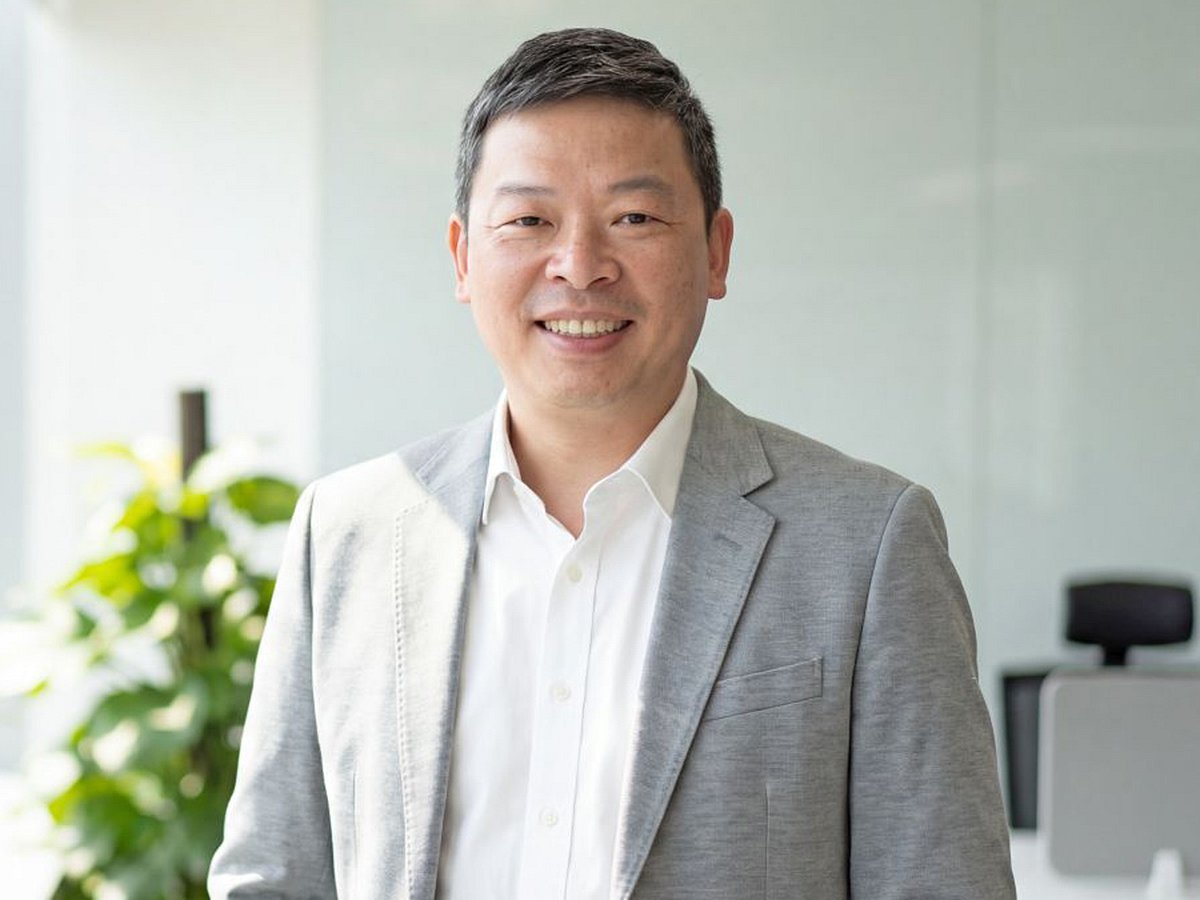
The consumer technology company is bringing Anker, eufy, soundcore, SOLIX and eufyMake under one name as AI, connected devices and robotics reshape its global portfolio - with the UAE increasingly important to its next phase of growth.
Anker is entering a new chapter in its evolution from a charging specialist into a much broader consumer technology company.
At IFA Berlin 2026, the company announced that its five consumer technology brands - Anker, eufy, soundcore, SOLIX and eufyMake - will progressively come together under the Anker name.
The transition will take place over several years, with new products leading the move while existing devices, packaging, digital platforms and retail environments transition gradually. For consumers, existing products, warranties and support will continue as normal.
Behind the change is a broader shift happening across consumer technology. Categories that once developed independently - charging, audio, smart home, robotics and energy - are becoming increasingly connected through artificial intelligence.
For Jeffrey Liu, Regional General Manager for Anker Innovations in the Middle East and Africa, that convergence explains why the timing is right.
Why bring the brands together now?
“When Anker expanded beyond charging, we deliberately built specialised brands around different areas of technology - eufy in smart home, soundcore in audio, SOLIX in energy and eufyMake in creative tools,” Liu said.“
That model allowed each category to develop deep expertise and its own relationship with consumers. It worked, and the strength those businesses have developed is precisely what makes this next step possible."
What has changed, he says, is the technology itself.
"AI, connected devices and robotics are increasingly removing the boundaries between categories that were once completely separate. A security camera, smart lock and robot vacuum can increasingly share information and operate as parts of one intelligent system rather than three isolated products.”
Anker demonstrated that direction at IFA with Anker MindBase, a local AI hub designed to connect devices across the home, process AI decisions on-device and keep household data stored locally.
The idea is not simply to put different products under the same logo, but to create a clearer technology platform around products that increasingly need to work together. The company now serves more than 200 million customers across more than 180 countries and regions.
Why the UAE matters
For Anker, the transition also comes as the GCC becomes a more important part of its global growth story.
“I believe the GCC has the potential to become increasingly important to the global consumer technology industry, and the UAE is at the centre of that opportunity,” Liu said.
He points to the region’s highly connected population, strong digital infrastructure and willingness to adopt new technologies, alongside the UAE’s wider ambitions around artificial intelligence, the digital economy and future technologies.
“That is why I have previously described the GCC as a lead indicator rather than simply a fast follower for AI-enabled devices.”
The opportunity for Anker in the region is therefore broader than its traditional strength in charging.
“We are building a much more diversified presence across audio, smart home, robotics, energy, health and personal technology, while strengthening the retail, e-commerce and customer infrastructure needed to support those categories.”
AI, but only where it solves a real problem
AI is central to Anker’s next generation of products, but Liu argues that the industry needs to move beyond using AI simply as a marketing label.
“My starting point is very simple: AI only matters if it makes the product meaningfully better,” he said.
“Hardware quality still has to come first. Then software and AI should make that hardware more useful, more intuitive or more capable of solving a real problem.”
He believes the more significant change ahead will be AI moving from an individual product feature to an intelligence layer connecting multiple devices.
MindBase represents one example of that approach. Instead of treating a camera, lock or robot vacuum as separate AI-enabled products, the system is designed to allow them to understand more context and work together.“
Consumers will stop asking whether a product ‘has AI’ and start asking a much more useful question: what does the AI actually do for me?”
What UAE consumers can expect next
The company used IFA to introduce products across several parts of its expanding portfolio.
Charging remains a core area. The Anker MagGo Power Bank Pro 2 combines Qi2.2 magnetic wireless charging with active cooling, while the Anker Laptop Charger Pro can recognise a connected laptop and manage charging to support longer-term battery health.
Anker also showcased new audio technology, including the Anker soundcore AeroClip 2 Pro, built around the company’s THUS AI chip and featuring AI-assisted voice recording, transcription and summarisation.Its portfolio is also expanding further into family technology through eufy, connected home security and robotics, while SOLIX continues to develop home-energy products.
“What excites me most about the IFA portfolio is not one individual device; it is the breadth of problems consumer technology can now address,” Liu said.
A number of the products introduced at IFA are expected to reach GCC markets over the coming months, with specific UAE availability to be announced as individual products are confirmed.
For Liu, that broader portfolio reflects where Anker is heading. Charging may be where the company started, but its next phase is increasingly about how AI, hardware and connected devices can work together across different parts of everyday life.
Sign up for the Daily Briefing
Get the latest news and updates straight to your inbox
Network Links
GN StoreDownload our app
© Al Nisr Publishing LLC 2026. All rights reserved.